 Ferndale Siding
 Cordata and the Whatcom County Climate
Cordata sits in the part of Whatcom County that gets the full Pacific Northwest treatment: long wet winters, a short dry summer window, and marine air rolling in off Bellingham Bay and the Salish Sea. Homes here don't deal with hurricane-force storms or triple-digit heat. They deal with something slower and, in some ways, harder on a house — months of damp air, driving rain that comes in sideways during a windy front, and shade from mature evergreens that keeps roofs and siding from ever fully drying out between rain events.
That combination is exactly what wears out exterior materials that aren't built for it. Salt-tinged air off the bay accelerates corrosion on fasteners and trim. Moss and algae take hold anywhere siding stays shaded and damp, especially on north-facing walls and under eaves with limited sun exposure. And because the rainy season here isn't a few storms but a genuine season — often stretching from fall through spring — any siding product with a weak point for moisture intrusion gets tested over and over again, year after year.
We bring this up first because it's the whole reason our approach to siding in Cordata looks different from what you'd get from a contractor working a drier climate, or one that installs whatever a homeowner asks for without pushing back.
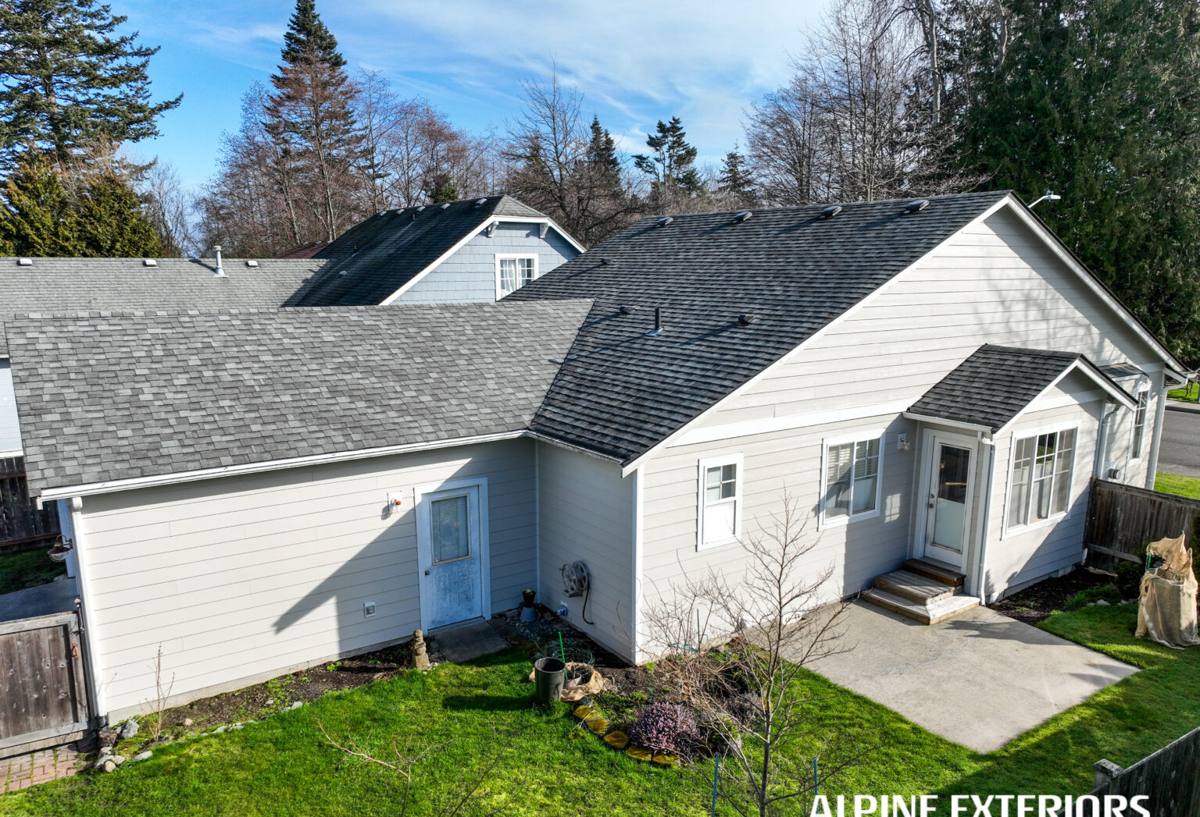
A Local Crew That Knows This Specific Climate
Ferndale Siding Contractors works throughout Whatcom County, and Cordata is a regular part of that territory. That matters for a few practical reasons beyond just convenience. A crew that works this area consistently has seen how different exposures — a lot with heavy tree cover, a lot facing open wind off the water, an older home with decades of prior repairs — actually perform over time, not just how they look on installation day.
It also means we're not guessing at code requirements, permit expectations, or the realities of scheduling around a Whatcom County rainy season. Siding installation has weather-dependent steps — moisture barriers, flashing, caulking — that need a reasonable dry window to be done right. A local crew plans around that instead of rushing a job into a system that's about to get soaked.
And when a home needs work eight or ten years down the line — a section of trim, storm damage, a color touch-up — a company that's still local and still doing business in the area is a lot more useful to have on record than one that was in town for a single season of storm-chasing work.
What We Install: James Hardie Fiber Cement, and Only That
We install James Hardie fiber cement siding exclusively. We don't install vinyl, LP SmartSide, Cemplank, Allura, or raw wood siding like primed spruce or cedar. That's not a marketing position — it's a standard we've held to because of what fits a climate like this one over the long run, not just what looks good going up.
Why Fiber Cement Over the Alternatives
Vinyl siding is inexpensive and low-maintenance in the sense that it doesn't need painting, but it's a thin plastic product that can crack in cold snaps, fade under UV exposure, and — critically for a wet climate — doesn't manage moisture behind it the way a rigid fiber cement panel system does. Engineered wood products like LP SmartSide use a wood-strand core that's more moisture-resistant than raw wood, but any wood-based core still depends on an intact factory coating to keep water out; a nick, a poorly sealed cut edge, or years of splash-back near grade can let moisture in where it's hard to see. Real wood siding — cedar, primed spruce — needs the most upkeep of all: regular refinishing, vigilance against rot, and in a climate that stays damp for months at a time, a shortened service life if that maintenance schedule slips even one season.
What James Hardie Gets Right for This Area
James Hardie fiber cement is cement, sand, and cellulose fiber — non-combustible, dimensionally stable, and engineered specifically for climate zones like ours through their HZ5 product line, which is formulated for regions with real moisture exposure rather than the drier HZ10 zones used in the Southwest. The factory-applied ColorPlus finish is baked on under controlled conditions, which gives it more consistent coverage and better fade resistance than a field-applied paint job, and it comes with its own finish warranty separate from the substrate warranty. None of that makes it maintenance-free — it still needs proper caulking, paint touch-up eventually, and correct installation to perform as designed — but it's a system built around the reality that this house is going to get rained on for months at a stretch, not an occasional afternoon shower.
How the Common Options Compare
| Material | Moisture & Moss Resistance | Maintenance | Typical Lifespan Here |
|---|---|---|---|
| Vinyl | Sheds surface water but traps moisture behind panels; can crack in cold | Low, but limited repair options if cracked or faded | Moderate, shorter in harsh exposures |
| LP SmartSide / engineered wood | Good if coating stays intact; vulnerable at cut edges and splash zones | Moderate — coating inspection and touch-up needed | Moderate, depends on install quality |
| Cedar / primed wood | Absorbs moisture without diligent upkeep | High — refinishing on a regular cycle | Shortest without strict maintenance |
| James Hardie fiber cement | Non-combustible, dimensionally stable, engineered for wet climate zones | Low to moderate — caulk checks, eventual repaint | Longest of the options above when installed to spec |
Beyond Siding: Roofing, Windows, and Decks
Siding doesn't work in isolation, and a lot of the moisture problems we see on Cordata homes actually start at the roofline or around window openings, not on the wall itself. We handle roofing, window replacement, and deck construction alongside siding because these systems all need to work together to keep a house dry.
- Roofing: A roof with worn or improperly installed flashing sends water down behind siding at the very spots — chimneys, valleys, wall intersections — where fiber cement siding needs a clean, dry plane to perform.
- Windows: Old or poorly flashed window openings are one of the most common sources of hidden water intrusion behind siding, especially on walls that catch driving rain.
- Decks: Ledger boards and deck attachment points are another spot where water can track back into the wall assembly if they weren't built and flashed correctly the first time.
When we're doing a siding project in Cordata, we look at these connection points as part of the job, not as someone else's problem to find later.
How a Cordata Siding Replacement Typically Goes
- On-site assessment: We look at the existing siding, trim, flashing, and any signs of moisture damage or rot in the sheathing underneath.
- Removal and inspection: Old siding comes off and we check the wall assembly itself — this is often where hidden problems from years of moisture exposure show up.
- Repair and prep: Any damaged sheathing gets addressed, and a weather-resistant barrier goes on correctly lapped to shed water downward.
- Installation: James Hardie panels or planks go up per manufacturer specifications, with proper fastening, clearances, and caulking at joints.
- Trim and finish detailing: Flashing, trim, and touch-up work at seams and corners — the details that determine how well the system sheds water over time.
- Final walkthrough: We go over the finished work with the homeowner before calling the job done.
What Drives the Cost of a Siding Project
| Factor | Why It Matters |
|---|---|
| Home size and wall complexity | More corners, gables, and dormers mean more cutting, trim work, and labor time |
| Condition of the existing wall assembly | Rot or moisture damage found during tear-off adds repair scope before new siding goes on |
| Siding profile chosen | Lap siding, panel siding, and shingle-style Hardie products carry different material and labor costs |
| Trim and accessory work | Corner boards, window trim, and fascia detailing add to both material and labor |
| Access and site conditions | Tree cover, tight lot lines, or multi-story walls can affect equipment needs and time on site |
We give real numbers after we've actually looked at the house — broad ballpark figures without seeing the walls and trim in person tend to be more misleading than helpful.
Signs a Cordata Home May Need New Siding
- Persistent moss, algae, or dark streaking that keeps coming back after cleaning
- Soft or spongy spots when you press on the siding, especially near the bottom courses
- Visible warping, buckling, or gaps at seams and corners
- Paint that's peeling or bubbling rather than just fading evenly
- Rising energy bills that suggest the wall assembly isn't insulating or sealing the way it should
- Interior signs like musty smells or discoloration on walls that back up to exterior siding
Living With a Marine, Mossy Climate
Even the right siding material benefits from a little seasonal attention in a climate like this. Keeping gutters clear so water isn't sheeting down walls, trimming back vegetation that shades siding and keeps it perpetually damp, and doing a periodic rinse-down to knock back moss growth all go a long way toward getting the full service life out of a fiber cement system. None of this is heavy maintenance — it's the kind of upkeep that fits into a normal homeowner's year, especially compared with the refinishing schedule that wood siding demands in this same climate.
If you're weighing a siding project for a home in Cordata — whether it's full replacement, repair after storm damage, or you're just trying to understand what shape your current siding is really in — we're happy to take a look and walk you through it in plain terms. Reach out for a free, no-pressure estimate using the form below.