 Ferndale Siding
 Asphalt Shingle Roofing Built for the Cordata Climate
Cordata sits close enough to the water and to Whatcom County's marine weather patterns that a roof here works harder than a roof twenty miles inland. Salt-tinged air, long stretches of driving rain off the Strait, and a moss season that can run eight months or more all chip away at a shingle roof that wasn't installed with those specific conditions in mind. We work this area regularly, and the roofs we get called back to fix are almost never failing because of bad shingles. They're failing because of shortcuts underneath the shingles — thin underlayment, skipped flashing details, ventilation that was never sized for a wet climate.
This page is about one job, done right, in one area: asphalt shingle roofing for homes in and around Cordata. Not a general overview of every roofing product we offer — just what actually matters for a shingle roof that has to survive Whatcom County winters year after year.
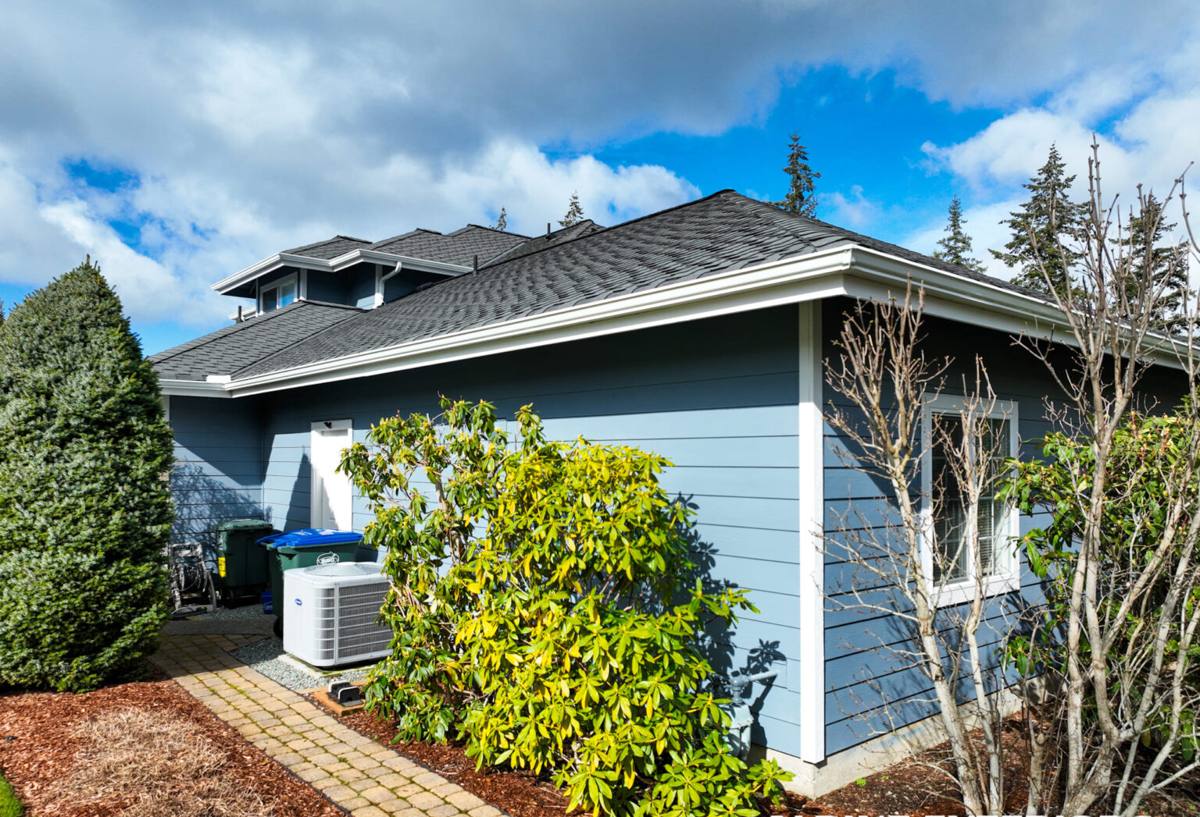
What the Local Climate Actually Does to a Shingle Roof
Homeowners in Cordata deal with a specific combination of stressors that doesn't show up the same way in drier parts of the state. Understanding what's actually attacking the roof helps explain why certain details matter more here than they would somewhere else.
Salt Air and Fastener Corrosion
Proximity to Puget Sound and the Strait of Georgia means airborne salt makes it further inland than most people assume, especially on exposed or elevated lots. Salt-laden moisture accelerates corrosion on any exposed metal — nail heads, flashing, drip edge, valley metal. A roof built with standard-grade fasteners and thin flashing metal will show rust streaking and early metal fatigue years before a roof built with corrosion-resistant materials in the same spot.
Driving Rain and Wind-Driven Water
Rain here doesn't always fall straight down. Storms off the water push rain sideways into roof planes, which means water finds its way under shingle tabs, around chimneys, and into valleys that a calmer climate would never test. Any weak point in the underlayment, flashing, or shingle sealing gets exposed by wind-driven rain long before it would fail under normal vertical rainfall.
Moss and Prolonged Moisture
Cordata's tree cover and long wet season create ideal moss conditions on north-facing and shaded roof slopes. Moss isn't just cosmetic — it holds moisture against the shingle surface, works its way under tab edges, and lifts granules over time. A roof that sheds moss quickly and dries out between storms will consistently outlast one that stays damp for weeks at a stretch.
What a Correct Asphalt Shingle Job Includes Here
A shingle roof is a system, not a single product. In this climate, every layer earns its place. Here's what we consider non-negotiable on a Cordata-area re-roof.
- Ice-and-water shield at vulnerable points — eaves, valleys, and around penetrations, not just where code requires it.
- Synthetic underlayment rated for extended exposure — Whatcom County's wet stretches mean underlayment sometimes sits exposed longer than the label prefers; we plan for that.
- Corrosion-resistant flashing and fasteners — sized and specified for salt-air exposure, not generic inland-grade materials.
- Proper valley construction — closed-cut or metal valleys installed to actually handle concentrated water flow, not just look finished.
- Balanced intake and exhaust ventilation — undersized or mismatched ventilation traps moisture in the attic, which shortens shingle life from underneath.
- Manufacturer-correct nailing pattern — wrong nail placement is one of the most common causes of early wind and sealant failure, and it's invisible once the roof is finished.
None of these items are optional add-ons. They're the difference between a roof that looks fine at the walkthrough and one that's still performing correctly in year twelve.
Choosing the Right Shingle for a Cordata Home
Not every asphalt shingle product is built the same, and the right choice depends on the roof's exposure, slope, and how much shade and moss risk the property has. We walk through these trade-offs honestly rather than upselling the most expensive option by default.
| Shingle Type | Best Fit | Trade-Offs in This Climate |
|---|---|---|
| 3-Tab Standard | Budget-conscious re-roofs, simpler rooflines | Lower wind rating and shorter lifespan under sustained coastal wind and rain exposure |
| Architectural (Laminate) | Most Cordata homes — good balance of cost and durability | Higher wind resistance, better granule adhesion, holds up well through wet winters |
| Algae-Resistant (AR) Architectural | Shaded lots, north-facing slopes, heavy tree cover | Copper-infused granules resist moss and algae growth longer, worth it on shaded Cordata lots |
| Impact-Rated / Premium | Homeowners prioritizing long-term durability and insurance considerations | Higher upfront cost, best long-term value where budget allows |
For most Cordata properties with any meaningful tree canopy, we steer people toward algae-resistant architectural shingles. The moss-resistance built into the granules pays for itself by cutting down on cleaning cycles and slowing the moisture retention that shortens roof life.
Our Process, Step by Step
A re-roof or new roof install should never feel like a mystery to the homeowner. Here's how we run the job from first look to final walkthrough.
- On-site inspection — we look at the whole system: decking condition, existing ventilation, flashing points, and moss or moisture damage, not just the shingle surface.
- Honest scope and options — we explain what's actually needed versus what's optional, with straight pricing ranges for each path.
- Tear-off and decking check — full removal of old material so we can inspect the deck underneath for soft spots or rot before anything new goes down.
- Underlayment and flashing install — this is where most of the long-term performance in a wet climate actually gets built.
- Shingle installation — correct nailing pattern, proper exposure, and attention to valleys, penetrations, and edges.
- Ventilation check and adjustment — confirming intake and exhaust are balanced for the attic space.
- Final walkthrough and cleanup — we review the finished roof with the homeowner and make sure the property is left clean.
Maintenance That Actually Extends Roof Life Here
A well-installed roof still needs some attention in a climate like this. None of it is complicated, but skipping it shortens the life of even a good installation.
- Clear moss buildup on shaded slopes before it spreads — early removal is far less invasive than a heavy moss mat that's been sitting for a season or more.
- Keep gutters and valleys free of debris so wind-driven rain has a clear path off the roof.
- Trim back overhanging branches to reduce shade, debris, and abrasion on the roof surface.
- After major windstorms, a quick visual check for lifted or missing shingles can catch small problems before they become leaks.
- Have the attic checked periodically for ventilation issues — trapped moisture damages a roof from the inside out, and it's rarely visible from the ground.
Repair, Recover, or Full Replacement?
Not every roofing problem in Cordata means a full tear-off. We evaluate honestly based on the roof's age, decking condition, and how widespread the damage actually is.
When Repair Makes Sense
Isolated damage — a section of wind-lifted shingles, a failed flashing point, a localized leak — can often be repaired without touching the rest of the roof, assuming the shingles are still within their useful life and the decking underneath is sound.
When Full Replacement Is the Honest Answer
Widespread granule loss, multiple leak points, soft or rotting decking, or a roof that's already near the end of its rated lifespan usually means repairs are a short-term patch on a system that's failing overall. In those cases we'll tell you directly rather than stacking repairs on a roof that needs to come off.
Why a Crew That Already Works Cordata Matters
Roofing crews that mainly work drier or more sheltered parts of Washington sometimes underbuild for this specific mix of salt air, wind-driven rain, and long moss seasons, because it isn't what they see day to day. A crew that regularly works Ferndale and the surrounding Whatcom County communities already knows which slopes hold moss longest, which exposures take the worst wind-driven rain, and which flashing and fastener specs actually hold up here over time. That local repetition shows up in fewer callbacks and roofs that perform the way they're supposed to for their full rated life.
It also means faster, more realistic scheduling. Local crews plan around this region's actual weather windows instead of working off a generic install calendar that doesn't account for how many dry days a Whatcom County winter really offers.
Get a Straight Answer on Your Roof
If you're dealing with moss buildup, a roof that's showing its age, or you're just planning ahead before the next wet season sets in, we're happy to take a look. We'll give you an honest read on what your roof actually needs — repair, partial recover, or full replacement — with no pressure either way. Reach out for a free estimate using the form below.