 Ferndale Siding
 Why Bellingham Roofs Wear Differently Than Roofs Inland
Bellingham sits right on Bellingham Bay, which means homes here deal with a combination most inland Washington towns don't: salt-laden air off the water, wind-driven rain that gets pushed sideways instead of falling straight down, and a wet season that runs long enough for moss to get a real foothold on anything with texture or shade. None of that is unusual for Whatcom County. But it does mean a roofing material or installation detail that holds up fine in a drier part of the state can fail early here.
Metal roofing is a strong fit for this climate when it's installed correctly, because it sheds water fast, doesn't give moss the rough surface it needs to grip, and handles wind uplift better than most other roofing types. The catch is "installed correctly" is doing a lot of work in that sentence. A metal roof is only as good as its flashing, fastening, and underlayment — and in a marine climate, those details matter more than the panel itself.
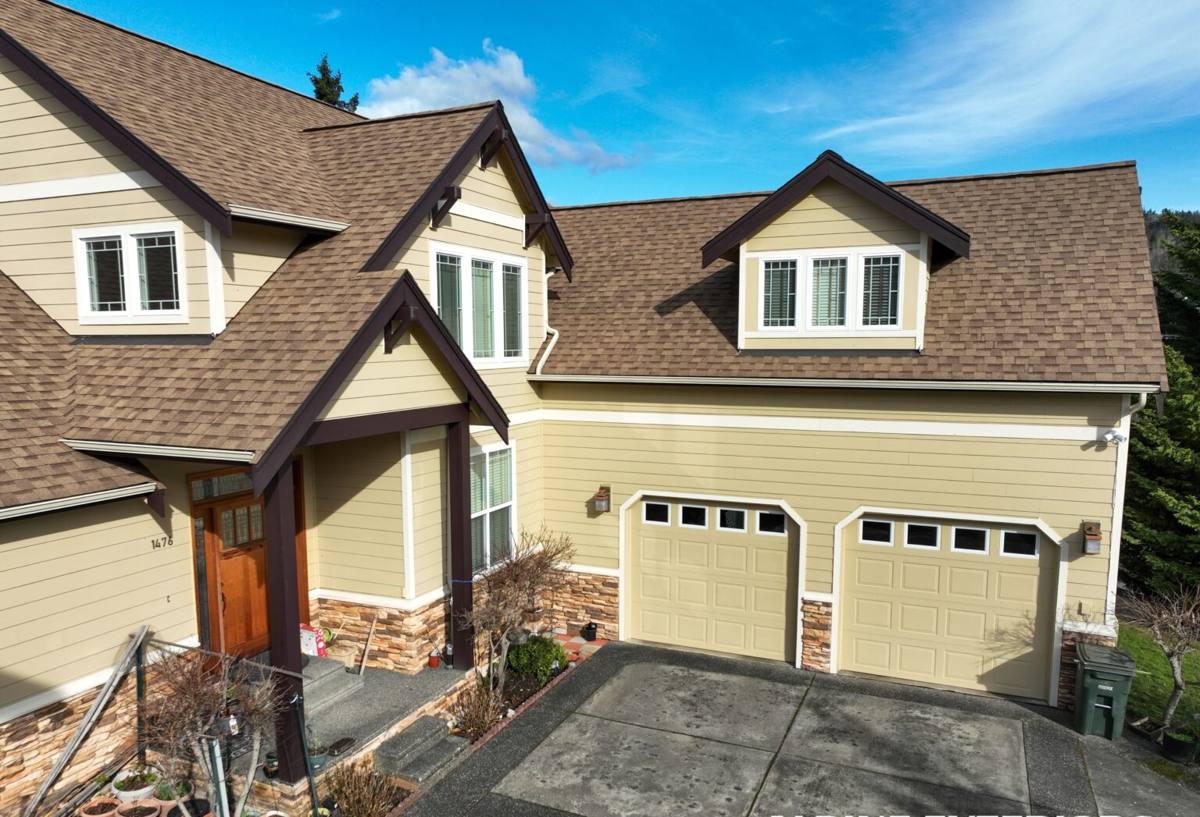
What Salt Air and Driving Rain Actually Do to a Roof
Salt Air and Corrosion
Airborne salt accelerates corrosion on any exposed metal — fasteners, flashing edges, cut panel ends. It doesn't ruin a properly coated steel or aluminum roof outright, but it will find every weak point: an uncapped screw, a bare cut edge, a mismatched metal that sets off galvanic corrosion where two dissimilar metals touch. Panel choice and fastener choice both need to account for coastal exposure, not just the manufacturer's standard spec sheet.
Wind-Driven Rain
When rain comes in sideways instead of straight down, it tests every seam, lap, and penetration on a roof — chimneys, vents, skylights, valleys. A roof that would stay dry in a calm downpour can leak in a Whatcom County wind event if the underlayment and flashing weren't detailed for that kind of exposure. This is where a lot of roofing problems actually originate — not from the field of the roof, but from the transitions and penetrations.
Moss and Organic Growth
Bellingham's wet season runs long, and shaded, north-facing roof slopes stay damp for extended stretches. Moss needs a rough or porous surface and standing moisture to establish itself. Smooth metal panels give it almost nothing to hold onto compared to shingles, but valleys, low-slope sections, and areas that collect debris can still grow moss over time if they're not detailed to shed water and debris cleanly.
What a Correct Metal Roof Installation Actually Involves
A metal roof is a system, not just a layer of panels. Getting it right in this climate means paying attention to what's underneath and around the metal as much as the metal itself.
Underlayment
In a marine climate we lean toward high-temperature, self-adhering synthetic underlayment rather than the minimum a manufacturer allows, especially at eaves, valleys, and around penetrations where wind-driven rain is most likely to intrude. This is the roof's backup plan if wind ever pushes water past the panel laps.
Fasteners and Flashing
Fastener material has to be compatible with the panel metal to avoid galvanic corrosion, and exposed fastener heads need proper washers and torque — overdriven or underdriven screws are one of the most common causes of early leaks on exposed-fastener panel systems. Flashing at chimneys, walls, valleys, and roof-to-wall transitions gets custom-formed and layered correctly with the underlayment, not just caulked and hoped for.
Ventilation
Metal roofs need proper attic or roof-deck ventilation to manage condensation, which matters even more in a consistently damp climate like ours. Trapped moisture under a metal roof can cause deck rot and rust from underneath — a problem that has nothing to do with the metal panel itself failing.
Choosing a Metal Roofing System for This Area
Not every metal roofing style is the same investment or the same maintenance commitment. Here's how the two common approaches compare for a coastal Whatcom County home.
| System | Fastening | Coastal Durability | Typical Lifespan | Maintenance |
|---|---|---|---|---|
| Standing Seam | Concealed clips, no exposed screws in the field | Very strong — fewer penetration points for water and corrosion | 40-70 years with proper coating | Low — mostly gutter and debris checks |
| Exposed-Fastener Panel | Screws through the panel face | Good, but fastener seals need periodic inspection | 25-40 years | Moderate — fastener washers age and eventually need replacement |
Standing seam costs more upfront but has fewer long-term maintenance items in a wet, salty environment because there are no exposed fasteners to corrode or work loose. Exposed-fastener systems are a legitimate, lower-cost option, but homeowners should go in understanding the washers on those screws are a wear item, not a one-time install-and-forget component.
Cost Factors for a Bellingham-Area Metal Roof
Every roof is different, but the same handful of variables drive most of the price difference between projects in this area.
| Factor | Why It Matters Here |
|---|---|
| Roof pitch and access | Steeper or harder-to-access roofs take longer and require more fall protection setup |
| Tear-off vs. overlay | Removing old roofing lets us inspect and repair the deck, which matters more in a wet climate where hidden rot is common |
| Panel and coating system | Coastal-grade coatings and compatible fasteners cost more but resist salt-air corrosion far longer |
| Flashing and penetration count | More chimneys, skylights, and roof valleys mean more custom flashing labor |
| Deck condition | Moisture-damaged decking found during tear-off needs to be replaced before the new roof goes on |
We give a written, itemized estimate before any work starts, so there are no surprise line items once the tear-off reveals what's actually under the old roofing.
Our Process, Start to Finish
- On-site assessment. We look at the existing roof, deck condition, ventilation, and any problem areas like valleys or shaded slopes prone to moss.
- Written estimate. A clear breakdown of materials, labor, and any deck repair contingencies — no vague allowances.
- Tear-off and deck inspection. We remove the old roofing and check the deck for rot or soft spots before anything new goes down.
- Underlayment and flashing install. This is where most long-term leak protection actually comes from, and it's the step we don't rush.
- Panel installation. Panels are installed to the manufacturer's coastal-exposure specs, with fastener and flashing details suited to wind-driven rain.
- Final walkthrough and cleanup. We inspect the finished roof with you, do a magnetic sweep for stray fasteners, and haul away all debris.
Maintenance in a Salt-Air, Long-Wet-Season Climate
A well-installed metal roof needs less upkeep than most roofing types, but "less" isn't "none" in this climate.
- Clear gutters and valleys of debris before the fall rains set in, since trapped organic material is what gives moss a place to start
- Do a visual check after major wind events for lifted flashing or debris impact, especially near the coast
- Trim back overhanging branches on shaded, north-facing slopes to reduce moisture retention and moss risk
- Have exposed-fastener systems inspected periodically for washer wear, since that's the most common source of small leaks on that system type
- Avoid pressure washing directly into seams or under panel laps, which can force water past protective layers
Why a Crew That Already Works Bellingham Matters
Metal roofing installation isn't unique to the coast, but the details that keep it watertight in a marine climate are learned through repetition in that exact environment. A crew that regularly works Bellingham and the surrounding Ferndale area already knows which flashing details hold up to wind-driven rain off the bay, which fastener and coating combinations resist salt-air corrosion, and which roof slopes in this area tend to grow moss if they're not detailed to shed water cleanly. That's not something you get from a spec sheet — it's something you get from having done the work here before, seen what fails, and adjusted.
It also means someone local to call if a question comes up after the job is done, rather than a crew that installed a roof once and moved on to the next region.
Signs It's Time to Talk About a New Roof
- Curling, cracking, or missing shingles, especially on wind-exposed slopes
- Persistent moss or dark streaking that comes back shortly after cleaning
- Rust staining or corrosion around existing metal flashing or vents
- Daylight visible through the roof deck from inside the attic
- Granule buildup in gutters, a sign asphalt shingles are breaking down
- Soft or spongy spots when walking the roof, which can indicate deck moisture damage
If you're noticing any of these on a Bellingham-area home, it's worth getting a straightforward, no-pressure look before a small problem becomes a deck repair. We're happy to walk the roof, explain what we see, and put together a written estimate — no obligation, no pressure tactics, just a clear picture of what the roof needs. Reach out using the form below to get started.