 Ferndale Siding
 Windows Built for Custer's Coastal Climate
Custer sits close enough to the water that salt-laden air, wind-driven rain, and a moss season that seems to run nine months out of twelve all show up at the window line before they show up anywhere else on a house. Windows take a beating that inland homes never see: hardware corrodes faster, frame sealants break down sooner, and any gap in the installation becomes a spot where moisture works its way into the wall long before you'd notice a stain on the drywall. Energy efficiency in this setting isn't just about a lower power bill — it's about a window system that keeps water out, keeps air infiltration down, and keeps working the same way in year ten as it did on day one.
We install and replace windows across Whatcom County, and Custer's mix of older farmhouses, mid-century ranch homes, and newer construction near the Ferndale corridor each present their own version of the same problem: single-pane or early dual-pane windows that were fine for the climate of forty years ago but were never built to handle the moisture load and air-sealing standards we now expect.
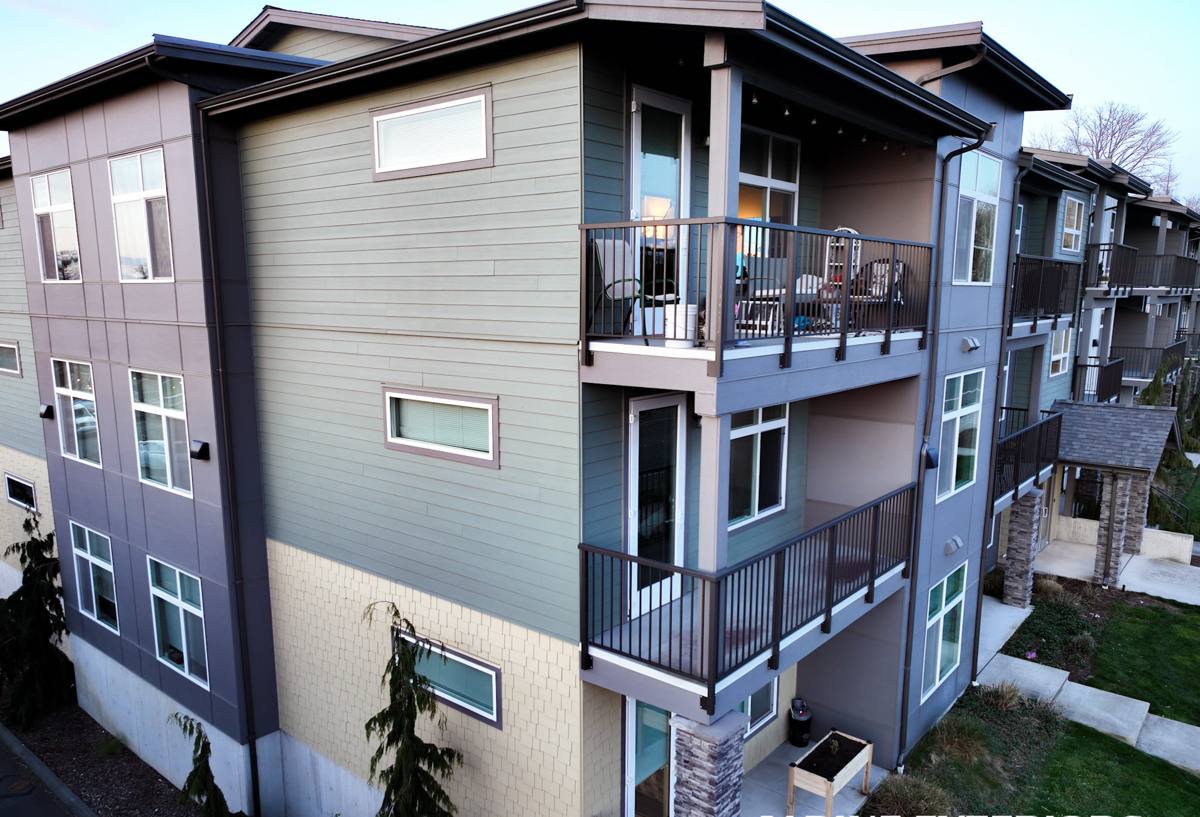
What "Energy-Efficient" Actually Means Here
The term gets used loosely by manufacturers and installers alike, so it's worth being specific about what actually matters for a home in this part of Whatcom County.
U-Factor and Low-E Glass
U-factor measures how much heat a window loses — lower is better. For our climate, a U-factor in the 0.27–0.30 range on a standard dual-pane, Low-E, argon-filled unit is a reasonable baseline. You don't need the extreme low U-factors marketed for harsh continental climates; western Washington's mild winters and cool summers mean the bigger practical wins come from air sealing and moisture control, not chasing the lowest possible number on a spec sheet.
Air Sealing Matters More Than the Glass Package
A window with excellent glass but a sloppy installation will still leak air and, worse, water. In our experience, the difference between a window that performs well for twenty years and one that fails at the frame in five comes down almost entirely to how it was flashed, shimmed, and sealed — not which glass package the manufacturer offered.
Frame Material Trade-Offs
We install primarily vinyl and fiberglass frames for coastal Whatcom County homes. Wood and wood-clad windows can look great, but they demand more upkeep in a climate this wet, and any failure in the exterior cladding or finish becomes a moisture entry point that's expensive to catch early. That's a maintenance and moisture-risk trade-off we're upfront about — not a knock on any specific brand.
| Frame Material | Coastal Durability | Maintenance | Typical Use Case |
|---|---|---|---|
| Vinyl | Good — won't rust or rot, handles moisture well | Low | Most Custer replacement projects, best value |
| Fiberglass | Excellent — very stable, resists warping | Low | Larger openings, higher-exposure walls |
| Aluminum | Fair — conducts cold, hardware needs corrosion-resistant coatings | Moderate | Limited use; mainly older homes being matched |
| Wood-clad | Fair — cladding protects wood but any breach invites rot | High | Homeowners prioritizing a specific interior look |
The Salt Air Factor
Custer isn't right on the beach, but it's close enough to Birch Bay and the Strait of Georgia that airborne salt reaches the area, especially during winter storms. Salt air accelerates corrosion on anything metal — hinges, cranks, locks, screws — and it can dull or pit lower-grade finishes over time.
Hardware and Fasteners
We spec stainless steel or corrosion-resistant coated fasteners and hardware for this area rather than standard-grade hardware meant for inland installs. It costs a little more up front and saves a service call in five years when a lock mechanism seizes up.
Finishes and Frame Coatings
Vinyl and fiberglass frames sidestep most of the corrosion issue outright, which is part of why we lean on them here. If a homeowner wants aluminum-frame windows for a specific look, we make sure the coating and hardware package is rated for coastal exposure rather than a generic inland spec.
Driving Rain and the Installation Itself
Whatcom County gets its share of wind-driven rain events, and Custer's open, semi-rural terrain doesn't offer much wind break. A window can have a great energy rating and still fail if it's not flashed correctly, because water finds the path of least resistance — and that path is almost always a gap in the flashing or a bead of caulk asked to do a job it was never designed for.
Proper Flashing Sequence
Every opening should get a sill pan (site-built or manufactured) that directs any water that gets past the window back out, not into the wall cavity. Side and head flashing need to integrate with the home's water-resistive barrier in the correct shingle-lap order — head flashing over the barrier, side flashing lapped correctly, sill pan sloped and sealed at the corners. This sequence matters more in driving-rain conditions than it would in a drier climate, because wind pushes water sideways and upward, not just straight down.
Common Installation Mistakes We Fix
The most common problems we find on older or poorly installed windows in this area are: caulk used as the primary water barrier instead of proper flashing, missing or improperly sloped sill pans, and window flanges nailed directly over housewrap without integration into the drainage plane. Any one of these can look fine for a few years before a rot problem shows up in the wall framing.
Moss Season and Moisture Management
Whatcom County's long, damp stretch of the year — often running from fall through late spring — keeps humidity and shade around a house longer than most climates. Around windows specifically, that means more time for condensation to sit on glass and sills, and more opportunity for mildew to take hold in corners where airflow is limited.
New energy-efficient windows with proper Low-E coatings reduce interior condensation by keeping the interior glass surface warmer, which matters directly in a moss-season climate — less condensation means less standing moisture at the sill, which means less chance of mildew or slow rot at the frame corners. We also make sure exterior sealant joints are detailed to shed water rather than trap it, since a joint that holds moisture against the frame will grow moss and mildew just like the north side of a roof does.
Our Installation Process
We keep the process straightforward and communicate what we're doing at each step, since window replacement touches both the exterior weatherproofing and the interior finish of a home.
- On-site assessment of existing windows, framing condition, and any signs of water intrusion or rot already present
- Measurement and product selection matched to the opening, sun exposure, and the home's exterior style
- Removal of old units with inspection of the rough opening for hidden moisture damage before anything new goes in
- Sill pan flashing installed and sloped correctly, every time — not just on openings that look high-risk
- New window set, shimmed level and square, and mechanically fastened per manufacturer specs
- Flashing integrated with the existing water-resistive barrier in correct shingle-lap order
- Interior and exterior sealant and trim work finished to a clean, weathertight standard
- Final walkthrough and operation check on every window before we consider the job done
Signs a Custer Home Needs New Windows
Homeowners often wait longer than they should because window problems are gradual. A few signs worth acting on:
- Visible condensation or fogging between panes — the seal has failed and the insulating gas is gone
- Drafts you can feel near the frame even when the window is fully latched
- Soft or discolored trim, siding, or drywall near a window, which often points to a flashing failure rather than the window itself
- Windows that are difficult to open, close, or lock — a sign of frame warping or hardware corrosion
- Persistent moss or dark staining on the exterior sill or casing that keeps coming back after cleaning
- Noticeably higher heating costs compared to similar homes nearby
What Affects the Cost of a Window Project
Every home is different, but the main variables that move the price on a Custer window project are consistent from job to job.
| Factor | Why It Matters |
|---|---|
| Number and size of openings | Larger or more numerous windows mean more material and labor |
| Frame material | Vinyl is typically the most cost-effective; fiberglass costs more but adds durability |
| Installation type | Full-frame replacement (down to the studs) costs more than an insert replacement but is often necessary when there's existing rot or the opening needs correction |
| Existing damage | Rot or water damage found during removal adds repair work before the new window can go in |
| Access and site conditions | Second-story or hard-to-access openings take more time and equipment |
Rather than quote a number that won't reflect your actual home, we walk the site and give a written estimate that accounts for what we actually find — including any rot or flashing issues uncovered once the old window comes out.
Why a Local Crew Matters in Custer
A crew that works Whatcom County regularly knows what a Custer home is up against before we even start the walkthrough: the salt exposure, the wind-driven rain patterns off the Strait, and how long moisture sits around a house during moss season. That familiarity shows up in small decisions — which hardware grade we default to, how we detail a sill pan, where we expect to find hidden rot on an older home — that a crew unfamiliar with this specific climate might not think to check. We also know the local building code requirements for egress, energy compliance, and permitting that apply to window replacement projects in this part of the county, so the paperwork side of the job doesn't become a surprise.
If your Custer home has drafty, foggy, or hard-to-operate windows, we're happy to take a look and put together a free, no-pressure estimate — just fill out the form below and we'll get in touch to schedule a time that works.