 Ferndale Siding
 Siding Installation for Everson Homes, Backed by a Ferndale Crew That Knows the Area
Everson sits inland along the Nooksack River, a short drive from Ferndale, but it shares the same marine-influenced weather that shapes exterior work across Whatcom County: long stretches of driving rain, humid air that settles in low along the river valley, and a moss season that can stretch from late fall well into spring. Homes here don't get much of a dry-season break. Siding that isn't installed correctly — no matter what material it's made from — starts showing problems in years, not decades, once that kind of moisture cycle gets behind it.
This page is about one job done right: siding installation for Everson properties, by a crew based out of Ferndale that already works this stretch of the county. It's not a general overview of siding — it's what actually matters for homes dealing with Whatcom County's climate, done by people who show up prepared for it instead of learning on the job.
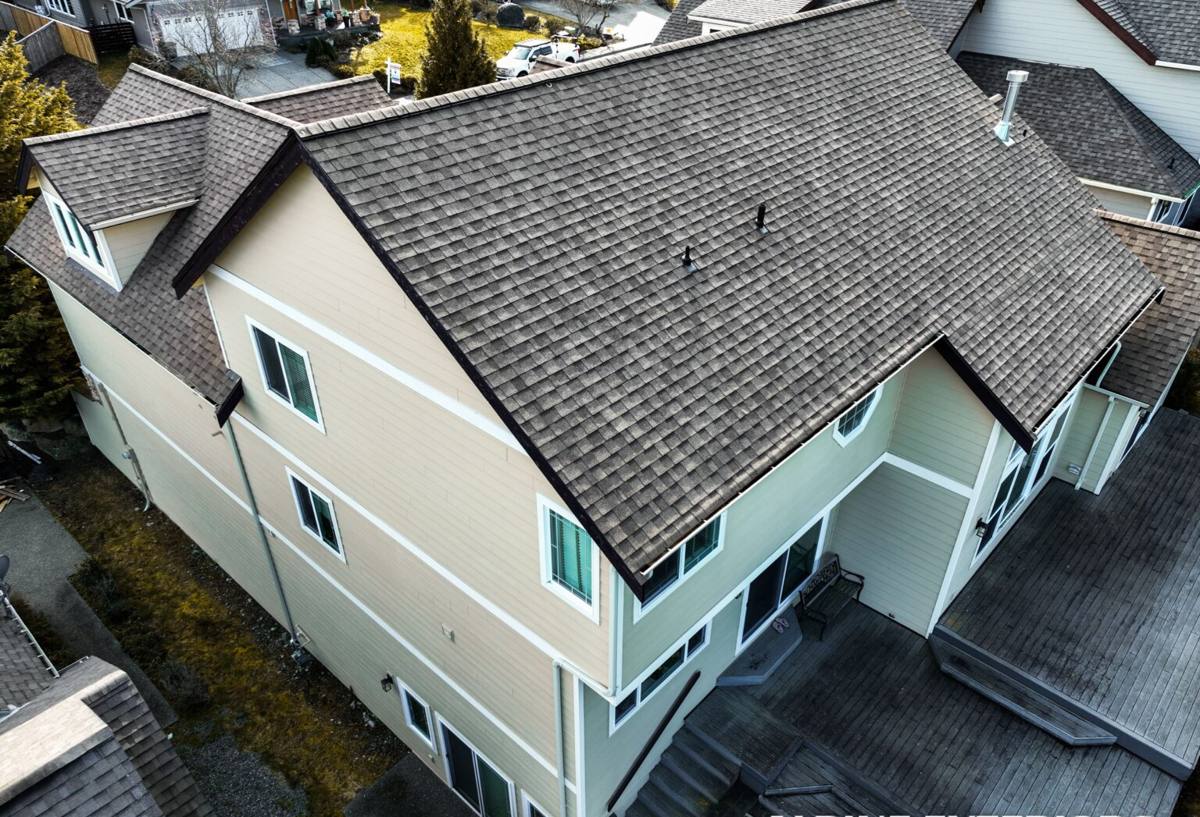
What Everson's Climate Actually Does to Siding
The Nooksack valley traps moisture. Fog and low cloud sit longer here than in more open, wind-exposed parts of the county, and shaded north- and west-facing walls stay damp for days after a storm passes. That combination is exactly what moss, algae, and mildew need to take hold — and once a siding surface stays wet on a regular basis, the installation underneath it (not just the surface material) is what determines whether the wall stays healthy.
Where the Damage Actually Starts
Most siding failures in this region don't start with the siding itself. They start at the seams: butt joints that weren't flashed, corner trim that was face-nailed instead of properly capped, window and door openings where house wrap wasn't lapped correctly, or bottom courses that sit too close to grade and wick moisture up from the soil. Those are installation details, not material defects — which is why who installs your siding matters as much as what you install.
Why We Install Only James Hardie Fiber Cement
We don't install vinyl, LP SmartSide, cedar, primed spruce, or other fiber cement brands like Cemplank or Allura. That's a deliberate standard, not a sales pitch — we made the call after weighing how each product actually holds up against the maintenance burden, moisture behavior, and long-term cost homeowners end up carrying.
James Hardie fiber cement is non-combustible, doesn't swell or rot when it takes on moisture the way wood-based products can, and comes with a factory-applied ColorPlus finish that's baked on rather than field-painted — which matters in a climate where a field-applied coating gets tested by rain almost year-round. Hardie also builds its HZ product lines to specific climate zones, so the plank we put on an Everson home is engineered for Pacific Northwest exposure, not a generic national spec.
The HZ5 Standard for This Region
Whatcom County falls into Hardie's HZ5 climate zone, which is engineered for regions with sustained moisture and freeze-thaw cycling. That means the plank itself is formulated to resist moisture intrusion and hold its finish through repeated wet-dry cycles — the exact stress pattern Everson's rain-and-moss weather puts on a wall. Pairing the right climate-zone product with correct installation is what actually gets a homeowner the 30+ year lifespan Hardie siding is capable of; either one without the other falls short.
What a Correct Installation Actually Involves
A siding job that's going to hold up in this climate has to get the water-management layer right before a single plank goes up. That layer does most of the real work — the siding is the visible finish, but the drainage plane behind it is what keeps the wall assembly dry.
- A continuous, properly lapped weather-resistant barrier over the sheathing, with no gaps at seams or penetrations
- Flashing at every window, door, and horizontal trim transition — installed so water sheds outward and down, never inward
- A rain screen gap or vented drainage space behind the siding where the wall assembly calls for it, so any moisture that gets past the cladding can drain and dry
- Correct fastener placement and pattern per Hardie's published installation specs, not generic nail-and-go framing
- Proper clearance at the bottom course — siding held up off grade, decks, and roof lines so it isn't sitting in standing moisture
- Factory-mitered or properly caulked and painted field cuts, so cut edges (which aren't factory-sealed) don't become the weak point
Skip any one of these and you can still end up with a wall that looks fine for a season or two before problems start showing up behind the surface — usually in places that are expensive to open back up and fix.
Our Process, Start to Finish
We keep the process straightforward and don't rush the parts that matter for long-term performance.
- Site visit and assessment — we look at the existing siding, sheathing condition, trim, and any problem areas (moss buildup, soft spots, past water intrusion) before quoting anything.
- Written estimate — a clear scope covering material, prep work, and any repairs to sheathing or flashing found during assessment, so there are no surprise change orders mid-job.
- Tear-off and prep — old siding removed, sheathing inspected and repaired as needed, and the weather barrier and flashing installed correctly before any Hardie plank goes up.
- Installation to manufacturer spec — correct fastener schedule, seam treatment, and trim detailing, with attention to the areas most exposed to wind-driven rain.
- Final walkthrough — we go over the finished job with the homeowner and address anything before calling it complete.
Scheduling Around the Weather
Fiber cement installation has real weather requirements — it shouldn't go up during active rain, and cut edges need to be sealed before exposure. A crew that works this area regularly plans around Whatcom County's rain patterns instead of fighting them, which keeps the schedule realistic instead of optimistic.
Cost Factors for an Everson Siding Project
Every home is different, so we don't quote broad numbers without seeing the house — but these are the factors that actually move the price on a siding installation in this area.
| Factor | Why It Matters |
|---|---|
| Existing wall condition | Rot or moisture damage found during tear-off means sheathing repair before new siding can go on correctly |
| Home size and wall complexity | More corners, dormers, and trim detail mean more labor and material cuts |
| Siding profile and finish | Lap width, shingle-style panels, and specialty trim cost more than a straightforward lap siding job |
| Access and site conditions | Steep grades, tight lot lines, and limited staging space slow the work and add labor time |
| Drainage plane requirements | Adding or upgrading a rain screen gap adds material and labor but pays off in a wetter climate |
| Trim and accessory scope | Fascia, corner boards, and window trim replaced alongside the siding add to the total but avoid mismatched, older trim failing next to new siding |
Signs Your Everson Home May Need New Siding
Some of these are obvious, some aren't — but any of them are worth a closer look before they turn into a bigger repair.
- Persistent moss or algae staining that comes back within a season or two of cleaning
- Soft or spongy spots when you press on the siding, especially near the bottom courses or below windows
- Visible gaps, warping, or buckling at seams and corners
- Paint that's peeling or bubbling in a pattern that follows seams or trim lines rather than general sun exposure
- Interior signs like peeling paint, musty smell, or soft drywall near exterior walls, which can point to moisture getting behind the siding
- Siding that's original to a home built more than 25-30 years ago, especially if it's never been fully inspected behind the surface
Why It Matters That We Already Work Everson
A crew that's worked this part of Whatcom County knows the practical things that don't show up in a generic siding spec sheet: which wall orientations in this valley hold moisture longest, how the local permitting process works, what typical wall assemblies look like in homes built in different decades around Ferndale and Everson, and how to sequence a job around the region's rain patterns instead of guessing. That local familiarity shows up in fewer surprises during tear-off, a more accurate estimate up front, and a finished installation built for the weather it's actually going to face — not a generic install dropped into a climate it wasn't planned for.
If you're weighing a siding replacement or repair for your Everson home, we're happy to take a look and walk you through what we see — no pressure, no obligation. Reach out for a free estimate using the form below.