 Ferndale Siding
 New-Construction Windows Built for the Fairhaven Area's Coastal Climate
New-construction window installation is a different job than a replacement window job, and it matters more here than in most parts of the country. In the Fairhaven area near Ferndale, homes sit close enough to the water and open farmland that wind, salt air, and long stretches of wet weather all show up in how a window is designed to be installed — not just how it looks once it's in. Get the window and the install right the first time and a home stays dry and efficient for decades. Get it wrong, and the problems usually don't show up until the framing behind the window has already started to suffer.
This page covers what new-construction windows need to do in this climate, what a correct install actually involves, and how we approach the work on homes being built in and around Ferndale and the greater Whatcom County coastline.
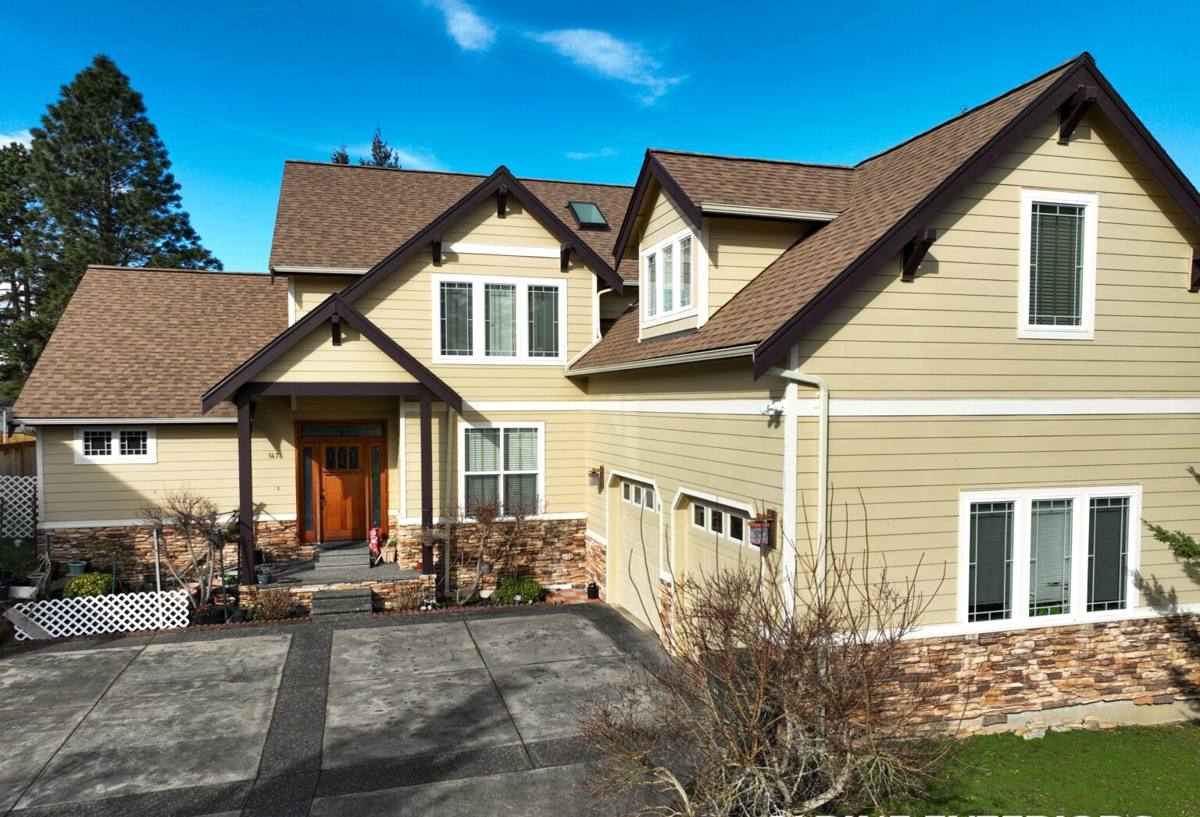
What Fairhaven-Area Homes Are Up Against
Salt Air and Corrosion
Proximity to Bellingham Bay and the Salish Sea means a steady, low-level dose of salt-laden air moving through the area, especially on windows facing west and northwest. Salt air accelerates corrosion on unprotected metal fasteners, hardware, and lower-grade window components. It's not dramatic — nobody sees a window fail in a year — but over a decade or two, cheap hardware and poorly coated fasteners will corrode faster here than they would inland. New-construction is the one point where you can spec around this from day one instead of fighting it later.
Driving Rain and Wind-Driven Water
Whatcom County doesn't just get rain — it gets rain pushed sideways by wind coming off the water, especially during fall and winter storm systems. Wind-driven rain finds any gap in flashing, any short caulk joint, any window that was set without a proper sill pan. A window can be perfectly watertight in a light, straight-down rain and still leak during a windstorm if the water management behind it wasn't built correctly. This is the single biggest reason new-construction window installs fail here, and it's almost always an installation issue, not a product issue.
Moss Season and Prolonged Moisture
Moss season in this part of Washington isn't a few weeks — it's most of the year. Shaded north and east-facing walls, roof lines, and trim stay damp for extended stretches, which means any wood trim, sill, or sheathing around a window opening that isn't properly protected will hold moisture far longer than it would in a drier climate. New-construction gives you the chance to build in drainage and drying paths before trim and siding go on, which is much harder to retrofit later.
What "Correct" New-Construction Window Installation Actually Means
New-construction installation means the window is set into a bare or newly-framed rough opening, with full access to the framing, sheathing, and weather-resistive barrier (WRB) before siding or trim covers it up. That access is an advantage — it only works if it's used correctly.
Flashing and Water Management
- A sloped sill pan under the window opening so any water that gets past the window drains back out, not into the wall
- Self-adhered flashing tape at the sill, jambs, and head, lapped in the correct order (sill first, then jambs, then head) so water always sheds downward and outward
- Proper integration with the house wrap or WRB, with head flashing lapped over the top of the WRB, not tucked behind it
- A drip cap or head flashing detail above the window to break up water flow before it reaches the top of the frame
Framing and Rough Opening Prep
The rough opening needs to be square, plumb, and sized correctly for the window unit — not just close enough. An opening that's slightly out of square forces shims to compensate, which can rack the window frame and cause the sash to bind or fail to seal properly over time. Before the window ever goes in, we check the opening dimensions, confirm the sheathing and WRB are intact, and make sure there's a clean, dry surface to flash against. Setting a window into a rushed or damaged opening is one of the most common causes of early leaks, and it's completely avoidable during new construction.
Choosing the Right Window for New Construction Here
There's no single "best" window brand — the right choice depends on budget, exposure, and how much upkeep the homeowner wants to do. What matters more in this climate is frame material and how well it handles sustained moisture and salt exposure. Here's how the common options compare for new-construction use in coastal Whatcom County conditions:
| Frame Material | Coastal/Moisture Performance | Maintenance | Typical Trade-Off |
|---|---|---|---|
| Vinyl | Good — won't corrode or rot, handles moisture well | Low | Can expand/contract with temperature swings; limited color options |
| Fiberglass | Very good — dimensionally stable, resists moisture and salt corrosion | Low | Higher upfront cost than vinyl |
| Wood-clad | Good on the exterior clad side, but interior wood needs protection from condensation | Moderate | Higher cost; needs correct interior humidity control |
| Aluminum | Prone to corrosion in salt air unless properly coated; conducts cold | Moderate to high | We typically steer new-construction clients away from this in coastal exposures |
For homes with direct exposure to prevailing wind and salt air, we generally recommend vinyl or fiberglass frames with corrosion-resistant hardware. Wood-clad windows can still be a good fit on more sheltered elevations where the look matters and interior moisture is well controlled.
Our New-Construction Window Process
- Rough opening inspection — confirm sizing, square, and condition of framing and WRB before any window arrives on site
- Sill pan and flashing installation — sloped pan, properly lapped flashing tape at sill, jambs, and head
- Window setting and leveling — shimmed evenly, checked for square and reveal, fastened per manufacturer spec (not just "however it fits")
- Air sealing — low-expansion foam or backer rod and sealant around the frame perimeter, avoiding over-filling that can bow the frame
- Exterior integration — head flashing, WRB lap-back, and trim details coordinated with the siding installer so water always sheds outward
- Final check — operation, seal, and drainage confirmed before the opening is covered by trim or siding
New-Construction vs. Replacement — Why It Matters
Replacement windows go into an existing opening, often with limited access to the framing and flashing behind them — the installer works with what's already there. New-construction is the opposite: full access to bare framing, which means flashing and water management can be built correctly from scratch instead of patched around old materials. If you're building new or doing a full exterior remodel down to the studs in the Fairhaven area, this is the point to get the window details right, because it's far cheaper to do it now than to fix a leak behind finished siding five years from now.
Cost Factors to Know Before You Budget
New-construction window costs vary based on a handful of factors that are worth discussing up front rather than after the quote arrives:
- Number and size of window openings, plus any special shapes (arched, oversized, or multi-unit combinations)
- Frame material — vinyl is typically the most budget-friendly, fiberglass and wood-clad cost more
- Glass package — standard dual-pane vs. upgraded low-E coatings for west-facing sun and heat loss control
- Exposure level — walls facing prevailing wind and rain may warrant upgraded flashing details, which adds labor time
- Site access and building stage — installing before siding goes on is more efficient than working around finished exterior work
We'll always walk through these factors on-site rather than quoting blind, since exposure and opening count vary a lot from one build to the next.
Why Hire a Crew That Already Works the Fairhaven Area
Window installation instructions from a manufacturer are written for average conditions across the whole country. They don't account for a wall that faces straight into wind-driven rain off the bay, or a shaded north elevation that stays damp into July. A crew that's worked new construction throughout Ferndale and the surrounding Whatcom County coastline knows which elevations need extra flashing attention, which frame materials hold up best against salt air over time, and how local building department expectations run on flashing and moisture barriers. That local pattern recognition is the difference between a window that's technically installed to spec and one that's actually built for how weather behaves here.
If you're framing a new home or addition in the Fairhaven area and want the window openings done right the first time, we're happy to walk the site and talk through your specific exposures. Reach out using the form below for a free, no-pressure estimate.