 Ferndale Siding
 Fiber Cement Siding Built for Lynden's Weather
Lynden sits inland from the coast but still gets the full weight of Whatcom County's wet-season weather — long stretches of driving rain, heavy morning dew off the farmland, and a moss season that runs longer here than most homeowners expect. Siding on Lynden homes doesn't just get rained on; it stays damp for days at a time, especially on north-facing walls shaded by trees or neighboring structures. That kind of sustained moisture exposure is exactly what separates a siding product that holds up for decades from one that starts showing problems in five or ten years.
We install James Hardie fiber cement siding on homes throughout the Ferndale and Lynden area, and this page is about that one product, installed correctly, for this one part of the county. If you're comparing siding options or just trying to understand what a proper job looks like before you get quotes, this should give you a straight answer.
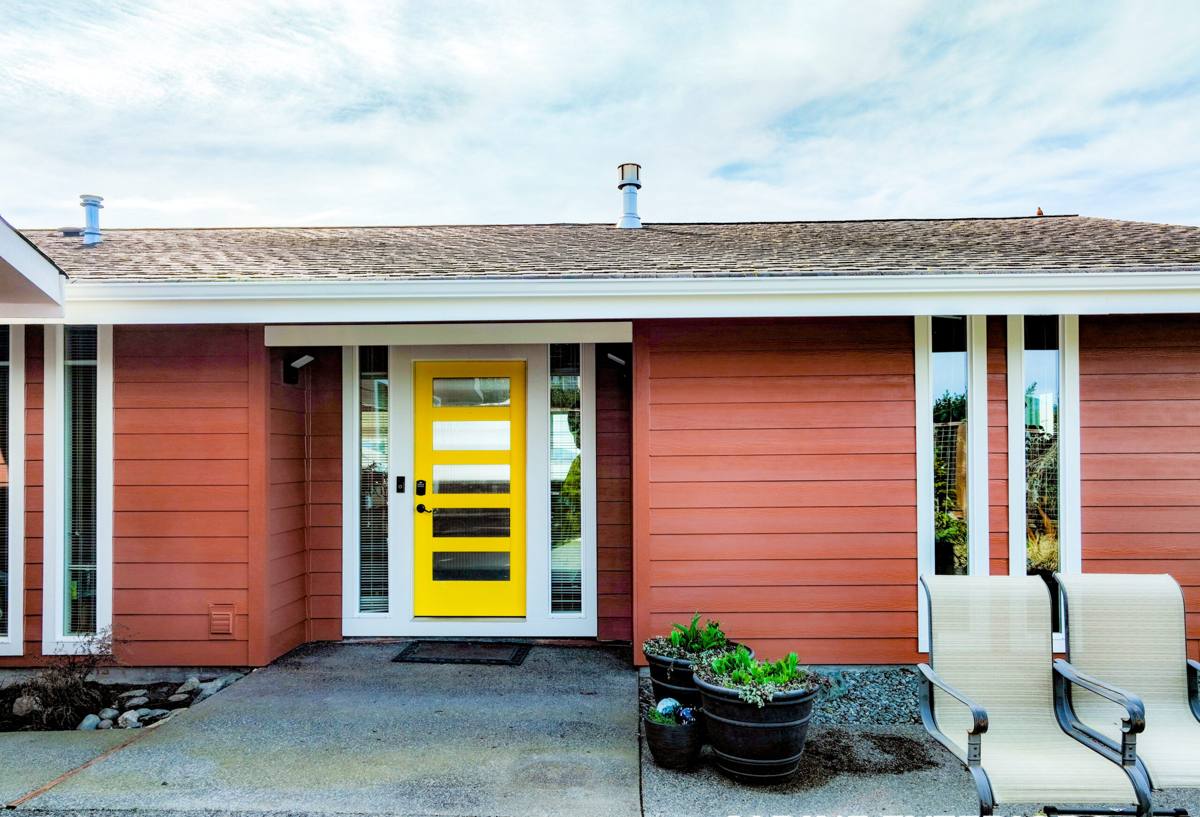
Why This Climate Is Hard on Siding
A few things make Lynden's weather tougher on exterior materials than it might look on paper:
- Extended wet periods. Whatcom County doesn't just get rain events — it gets weeks of low-intensity rain and fog that keep exterior walls damp long after the storm has passed.
- Moss and algae pressure. Shaded siding, especially on the north and east sides of a home, stays cool and moist enough for moss and algae to take hold for a large part of the year.
- Driving rain and wind-driven moisture. Open exposures around farmland and open lots push rain sideways into wall assemblies, which puts real pressure on flashing, caulking, and butt joints.
- Freeze-thaw swings. Winter temperatures dip below freezing often enough that any water trapped behind or inside siding material can freeze, expand, and accelerate damage.
None of this is unique to Lynden — it's regional, tied to the same moisture-heavy air that moves through the whole county, including areas closer to the Sound. But it matters more on a home-by-home basis than most people think, because two houses a mile apart can have very different exposure depending on tree cover, wall orientation, and how close they sit to open fields.
Why Fiber Cement Handles This Climate Well
James Hardie fiber cement siding is a mix of cement, sand, and cellulose fiber, factory-cured into planks and panels. It doesn't absorb and swell the way wood-based products can, and it's non-combustible, which matters given how many Lynden properties sit near agricultural land where controlled burns and dry-season fire risk are a real consideration. For this climate specifically, the properties that matter most are:
- Dimensional stability. Fiber cement doesn't expand and contract with moisture the way wood or wood-composite products do, so joints and fastener lines stay tighter over time.
- Resistance to rot. There's no organic wood fiber for moisture to break down, which matters on the shaded, slow-to-dry walls common on tree-lined Lynden lots.
- Factory-applied ColorPlus finish. A baked-on finish holds up to years of damp, low-sun conditions better than field-applied paint, which tends to fail first at seams and cut edges.
- HZ5 engineering. Hardie's HZ5 product line is formulated for wetter, colder climate zones like ours — it's not a generic siding board dropped into any region.
Fiber cement isn't maintenance-free — nothing that lives outside in the Pacific Northwest is — but it removes the moisture-absorption problem that drives most of the early failures we see on other materials in this area.
What a Correct Installation Actually Involves
Fiber cement siding fails early almost exclusively because of installation mistakes, not material defects. In a climate like ours, the margin for error is smaller than in drier regions, because any gap or shortcut gets tested by moisture almost immediately.
Moisture Management Behind the Siding
Correct installation starts with a weather-resistant barrier and properly lapped flashing at every window, door, and penetration. On a home taking on wind-driven rain, water that gets past the siding face has to have somewhere to go — a drainage plane and correctly integrated flashing are what keep that water out of the wall cavity instead of trapping it against the sheathing.
Clearances and Gaps
Hardie's specifications call for minimum clearances from grade, roofing, decks, and other abutting surfaces — generally in the range of a few inches depending on the detail. Skipping these clearances is one of the most common shortcuts we see on older installs, and it's a direct path to wicking moisture into the bottom edge of the siding, which is exactly where damp Lynden soil and landscaping beds sit for months at a time.
Fastening
Fasteners need to be the right type, spaced correctly, and driven flush — not overdriven, which crushes the material and creates a weak point, and not underdriven, which leaves the board loose and lets water track behind it. This is a detail that's easy to rush and hard to spot from the ground once the job is finished.
Joints, Caulking, and Finish
Butt joints need to be treated correctly — sealed or backed per spec, not just butted and painted over. Cut edges that expose unfinished material need to be primed and sealed before installation, because an unsealed cut edge is a moisture entry point that will show up as a stain or a soft spot years down the road.
Our Process for Lynden Projects
| Step | What Happens |
|---|---|
| Assessment | We walk the exterior, check current siding condition, note problem areas (shaded walls, low-clearance sections, existing moisture damage), and confirm measurements. |
| Prep | Removal of old siding, inspection of sheathing for hidden rot or damage, repair of any compromised framing before new material goes up. |
| Weather Barrier & Flashing | Installation of the drainage plane and flashing at every window, door, corner, and penetration — the part of the job that determines how the siding performs in wet weather. |
| Installation | Fiber cement planks or panels installed to Hardie spec — correct clearances, fastener placement, and joint treatment throughout. |
| Finish & Cleanup | Trim, caulking, touch-up, and full site cleanup, including magnetic sweep for stray fasteners and haul-away of old material. |
Cost Factors on a Lynden Fiber Cement Job
| Factor | Why It Matters |
|---|---|
| Home size and wall area | The most direct driver of material and labor cost. |
| Number of stories | Two-story and taller sections need staging or lift equipment, which adds labor time. |
| Existing siding removal | Tear-off and disposal of old material adds cost versus a bare-wall install. |
| Sheathing repair | Hidden rot found during tear-off has to be repaired before new siding goes up — this is the most common source of a mid-project cost adjustment. |
| Trim and detail work | Homes with more corners, gables, and window trim take longer to finish correctly. |
| Product line and finish | Panel style, plank width, and ColorPlus finish selection all factor into material cost. |
We don't publish flat per-square-foot pricing because these factors genuinely change the number from house to house — but every estimate we give breaks the job down so you can see what's driving the cost, not just a bottom-line total.
Signs Lynden Homeowners Should Watch For
If you're not sure whether your current siding needs attention, these are the signs we see most often on homes in this area:
- Dark streaking or moss growth concentrated on shaded, north- or east-facing walls
- Soft spots or visible warping near the bottom courses, close to grade or planting beds
- Paint that's peeling or bubbling at seams and joints rather than across flat wall sections
- Gaps or separation at butt joints and corner trim
- Visible staining below windows or at roof-to-wall intersections, which usually points to a flashing problem rather than a siding problem
Any of these can be an early warning sign rather than a full-replacement emergency, but they're worth having looked at before another wet season passes.
Why Hire a Crew That Already Works This Area
Fiber cement installation is spec-sensitive everywhere, but a crew that regularly works Lynden and the surrounding Ferndale area already understands the specific pressure points — which exposures need extra flashing attention, how shaded walls behave differently from sun-exposed ones, and how local soil and drainage conditions affect clearance decisions at grade. That's the kind of judgment that comes from doing the work here repeatedly, not from a generic installation checklist.
We install James Hardie fiber cement exclusively. We don't offer vinyl, LP SmartSide, or other composite alternatives, because we've made the call that fiber cement — installed correctly — is the right long-term answer for homes in this climate, and we'd rather do one product right than split our attention across several.
Maintenance Checklist for Fiber Cement Siding in This Climate
- Rinse siding annually to clear pollen, moss spores, and organic buildup before they take hold
- Inspect caulking at joints and trim every year or two, and re-caulk where it's cracked or pulled away
- Trim back vegetation and tree limbs that keep wall sections shaded and slow to dry
- Watch drainage near the foundation so water isn't pooling against the bottom courses
- Repaint or touch up ColorPlus finish only with Hardie-compatible products when touch-up is needed
If you're weighing a siding replacement in Lynden or want a second opinion on an aging installation, we're happy to take a look and give you a straightforward, no-pressure estimate — no obligation, just an honest read on what your home actually needs.