 Ferndale Siding
 Fiber Cement Siding for a Waterfront Whatcom County Community
Birch Bay homes sit closer to the water than almost anywhere else in Whatcom County, and that changes what a siding job actually has to survive. Salt-laden air moves off the bay year-round, wind pushes rain sideways into wall assemblies instead of letting it fall straight down, and shaded or north-facing walls can stay damp long enough to grow moss and mildew for most of the year. Siding that looks fine on a spec sheet can still fail here if it wasn't built, or installed, with that specific combination of exposures in mind.
We install James Hardie fiber cement siding exclusively, and Birch Bay is one of the areas where that decision matters most. This page covers what fiber cement siding needs to hold up on a Birch Bay home, what a correct installation actually involves, and how our process works from first visit to finished wall.
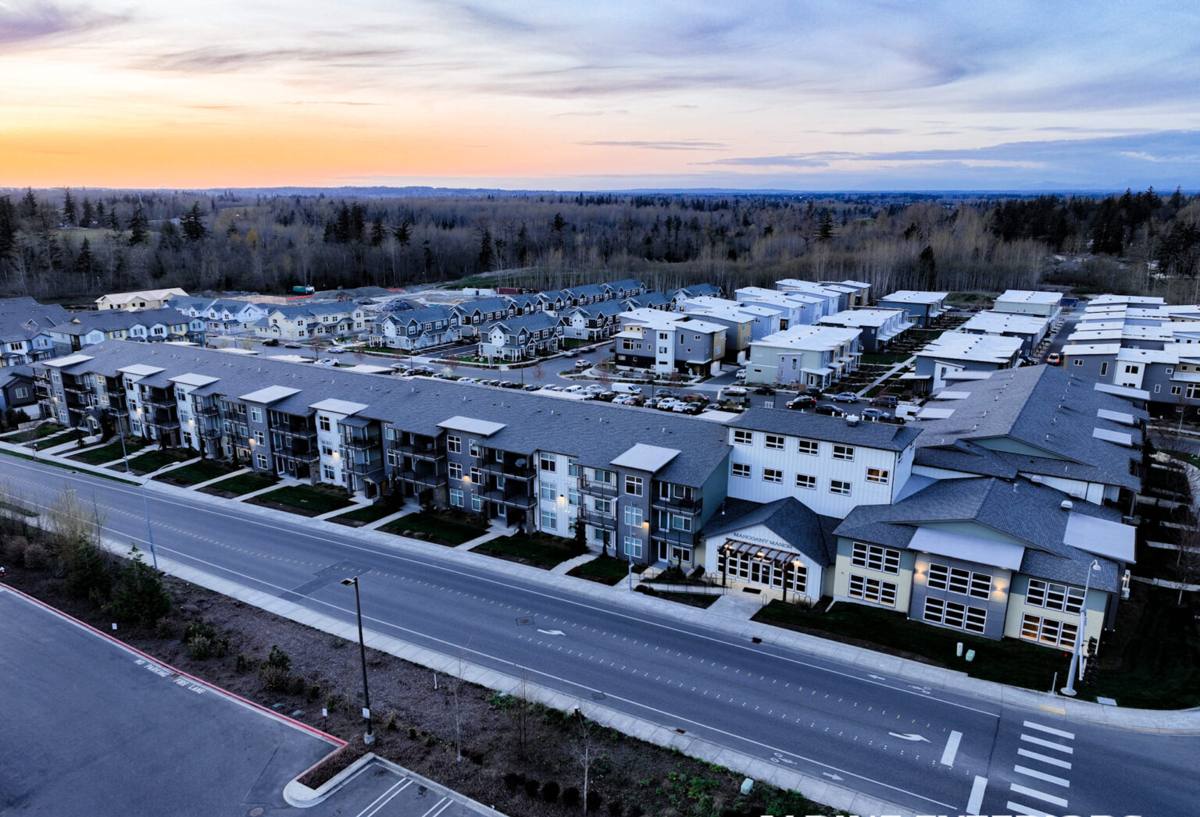
What Birch Bay's Climate Asks of a Siding System
Salt Air and Corrosion
Direct exposure to salt air accelerates corrosion of fasteners, trim, and any exposed metal, and it can break down lower-grade paint finishes faster than a drier, more inland climate would. Siding material and hardware both need to be chosen with that in mind, not just for how they look when they first go up.
Wind-Driven Rain
Being on open water means more wind, and wind-driven rain gets forced sideways into seams, joints, and butt splices in a way that a calmer inland site never sees. A siding system that stays dry in a sheltered yard can still take on water here if the joints, caulking, and flashing details weren't built for sideways-driven moisture.
A Long Moss and Mildew Season
Mild temperatures, shade, and near-constant moisture add up to a moss and mildew season that runs longer here than in drier parts of the county. Shaded and north-facing walls are usually the first to show it, and any siding material that's even slightly porous becomes a growth surface over time as moisture sits against it.
Why James Hardie Fiber Cement Fits This Exposure
We used to install a wider range of siding products. What changed our minds was what we kept finding on tear-offs and service calls in exactly this kind of climate — salt, sustained moisture, and heavy moss exposure. Fiber cement, built to Hardie's spec, holds up to that combination in ways other common siding materials don't.
- Non-combustible core: Fiber cement doesn't feed a fire the way wood-based siding products can.
- Factory-applied ColorPlus finish: Color is baked on under controlled factory conditions, which resists fading and chalking far longer than paint applied on site.
- Climate-engineered HZ formulation: Hardie's HZ5 product line is engineered for regions with heavy moisture exposure and freeze-thaw cycling, which describes waterfront Whatcom County well.
- Dimensional stability: Fiber cement doesn't swell, cup, or warp the way wood-based and engineered-wood siding can after repeated wetting.
- Strong transferable warranty: Backed by one of the more robust warranty structures in the industry, provided the installation follows Hardie's published spec.
We don't install LP SmartSide, vinyl siding, Cemplank, Allura, primed spruce, or cedar. Those products all have a place in the market and homeowners elsewhere who are happy with them. On a shoreline exposure like Birch Bay, though, we've made a professional call to install one system we fully stand behind rather than offer a cheaper option that quietly shifts long-term maintenance risk onto the homeowner.
What Correct Installation Actually Involves
Fiber cement only performs the way it's engineered to when it goes on according to Hardie's published installation specifications. On a Birch Bay home, a few details matter more than usual:
Fasteners and Hardware
Corrosion-resistant fasteners, matched to Hardie's spec, are non-negotiable this close to the water. Standard fasteners that would be fine a few miles inland can start showing rust streaks and losing holding strength within a few seasons of direct salt exposure.
Joints and Caulking
Butt joints, corner details, and trim intersections are where wind-driven rain finds its way in first. Correctly gapped and sealed joints, along with factory-mitered corners where the layout allows for them, keep water from tracking behind the panel at exactly the points where it's under the most pressure.
Clearance and Drainage
Proper clearance from grade, decks, and roof lines keeps splash-back and standing moisture away from the bottom edge of the siding. Where the wall assembly calls for it, a drainage plane behind the panels gives any moisture that does get past the surface a way out instead of trapping it against the sheathing.
HZ5 Product Selection
Hardie makes different HZ formulations for different climate zones. HZ5 is built for regions with heavy moisture and freeze-thaw cycling — the right match for Birch Bay — while HZ10 is formulated for hot, humid climates and isn't the right fit here. Using the correct line is part of what makes the installation perform as designed over the long run.
Comparing Siding Materials for a Birch Bay Home
| Material | Behavior in Salt Air & Wind-Driven Rain | Moss/Mildew Resistance | Typical Longevity Here |
|---|---|---|---|
| James Hardie fiber cement | Dimensionally stable; resists swelling at joints and edges | Non-porous surface resists sustained growth when clean | 30+ years with correct installation |
| Vinyl siding | Can distort or loosen at fasteners under sustained wind load | Seams can trap moisture and debris | Variable; often shorter in high-wind coastal spots |
| LP SmartSide / engineered wood | Wood-based core is moisture-sensitive at cut edges and joints | Needs consistent edge sealing to resist growth | Depends heavily on installation and upkeep |
| Cedar / primed wood | Absorbs and releases moisture readily; joints are vulnerable | Prone to moss and mildew without frequent refinishing | Shorter without consistent maintenance |
What Drives the Cost of a Fiber Cement Siding Job in Birch Bay
Every home is different, but a few factors consistently move the price of a fiber cement re-side up or down. We walk through all of these during the on-site estimate so there are no surprises once work starts.
| Factor | Why It Matters Here |
|---|---|
| Existing siding removal | Tear-off of failing wood, vinyl, or engineered wood adds labor and disposal cost before new siding can go up |
| Wall complexity | Dormers, multiple gables, and cut-in windows increase joint count, which matters for a wind-driven-rain climate |
| Underlying moisture damage | Waterfront homes more often have sheathing or framing repairs to address before re-siding |
| Trim and accessory selection | Hardie trim, soffit, and fascia packages add cost but keep the whole envelope consistent |
| Access and site conditions | Waterfront lots with limited staging area or steep grades can affect labor time |
How Our Process Works
We start with an on-site walk of the home, looking specifically at how the current siding has handled moisture, salt exposure, and any moss or mildew buildup over time. That assessment tells us whether we're dealing with a straightforward re-side or whether there's underlying sheathing or framing repair to plan for first. From there, we put together a clear written scope and timeline before any work begins, so there's no ambiguity about materials, fastener specs, or trim details.
During installation, we treat fastener selection, joint detailing, and drainage as standard practice, not optional upgrades — they're the difference between siding that holds up thirty years on the water and siding that starts showing problems in five. We also walk the finished job with the homeowner before calling it complete.
A Practical Checklist Before Hiring for Siding Work in Birch Bay
- Ask what siding material and specific product line they install, and why they chose it for this exposure
- Confirm current Washington contractor licensing and active liability insurance
- Ask how they detail joints, corners, and fastener selection for wind-driven rain specifically
- Ask whether they use the climate-correct Hardie HZ formulation for this region
- Get a written scope of work, including trim and drainage details, before signing anything
Why Local Experience with This Exposure Matters
A crew that already works Birch Bay regularly has already seen how salt air, wind, and prolonged moisture behave on homes in this exact spot, not just in general coastal terms. That shows up in small decisions — which fastener grade gets used, how a joint gets sealed, where extra drainage detailing gets added — and those small decisions are what actually determine whether a fiber cement siding job lasts decades or starts needing attention within a few wet seasons.
If you're weighing options for siding on a Birch Bay home, we're happy to walk the exterior with you and give an honest read on what it needs. Reach out below for a free, no-pressure estimate.