 Ferndale Siding
 Marietta's Climate Is Harder on Siding Than It Looks
Marietta sits low and close to the water, on the Whatcom County side where the Nooksack River meets Bellingham Bay, just down the road from Ferndale proper. That location is part of what makes the area a nice place to live, and it's also exactly why siding here takes more punishment than siding ten miles inland. Salt-laden air off the bay works on fasteners, trim, and paint film year-round. Wind-driven rain comes in sideways off the water during fall and winter storms, not just straight down. And the combination of shade, humidity, and mild temperatures that Whatcom County is known for adds up to one of the longest moss and algae seasons on the West Coast.
None of that is unique to any one house in Marietta — it's a function of geography. But it means a siding product and installation that would hold up fine in a drier, more inland part of the county can start showing problems here years earlier. Fiber cement, installed correctly, is one of the few claddings built to shrug off all three of those stressors at once. That's the whole reason this page exists.
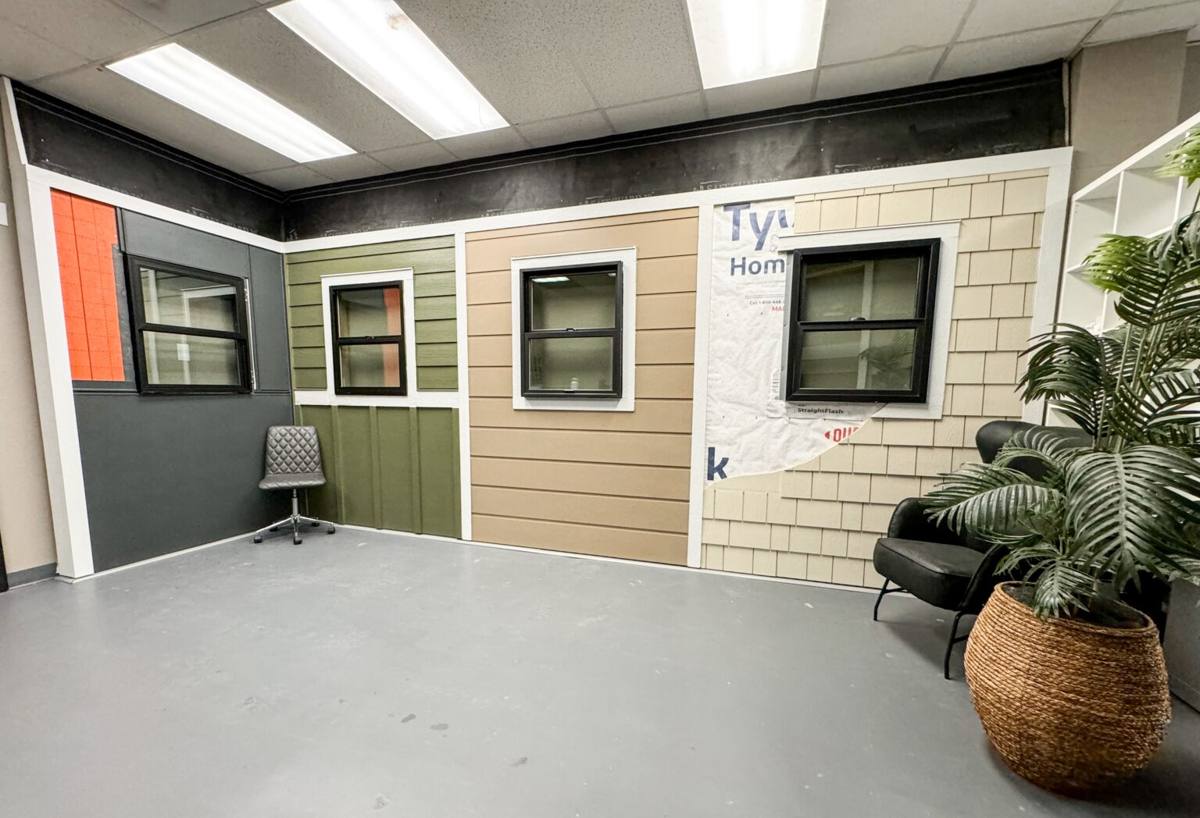
What Fiber Cement Siding Needs to Do for a Marietta Home
Standing Up to Salt Air and Moisture
Salt air accelerates corrosion in exposed metal — nail heads, trim flashing, hose bibs, light fixtures — and it also breaks down cheaper paint films faster than a normal marine-adjacent climate would suggest. Fiber cement itself doesn't corrode or rust, and it doesn't absorb water the way wood-based products can. What matters is what's fastened to it and finished over it: stainless or hot-dip galvanized fasteners, correctly lapped flashing, and a factory finish that's actually engineered to hold color and seal under coastal exposure rather than a field-applied paint job that's fighting salt air from day one.
Resisting Moss, Algae, and Mildew
Shaded north walls, mature tree cover, and near-constant damp air give moss and algae a long runway in Marietta — often ten or eleven months of the year with almost no true drying period. Wood-based sidings and their coatings are organic food sources for that growth, which is why cedar and primed wood products in these conditions need aggressive, repeat maintenance to stay ahead of staining and eventual rot. Fiber cement is cement and cellulose fiber — it doesn't feed mold or moss growth the way wood fiber does, and a factory-cured finish resists the kind of surface breakdown that gives spores something to grip onto in the first place.
Handling Wind-Driven Rain at the Joints
The biggest failure point on any siding job isn't the field of the wall — it's the seams, corners, and penetrations. In a location that gets rain pushed sideways off open water, a joint that's "close enough" inland becomes a real leak path in Marietta. Correct lap details, properly integrated flashing at windows and trim, and gap spacing that lets the assembly manage incidental moisture instead of trapping it are what actually keep a home dry through a wet Whatcom County winter.
Why We Install Only James Hardie Fiber Cement
We don't install LP SmartSide, vinyl, Cemplank, Allura, primed spruce, or cedar. That's a deliberate standard, not an oversight — we've looked at what each of those products asks of a homeowner in terms of maintenance, moisture behavior, and long-term appearance, and in a climate like this one, the trade-offs didn't add up. James Hardie is the product we stand behind for three practical reasons that matter specifically here:
- It's non-combustible fiber cement — a real advantage as wildfire smoke seasons have become a normal part of Pacific Northwest summers.
- Hardie's ColorPlus finish is baked on at the factory under controlled conditions, not brushed or sprayed on site, which gives it far better resistance to fading and moisture intrusion than field-applied paint.
- Hardie engineers specific product lines (HZ5) for regions with the kind of damp, marine-influenced weather Whatcom County sees, rather than selling one generic board everywhere.
Add a strong, transferable manufacturer warranty and a long, proven track record when it's installed to spec, and it's the product we're comfortable putting our name behind on a Marietta home.
What a Correct Installation Actually Involves
Flashing and Water Management Details
Every window, door, and horizontal trim piece needs flashing integrated with the weather-resistive barrier underneath — not caulk used as a substitute for flashing. Housewrap laps need to shed water downward at every seam, and any penetration (hose bibs, vents, light fixtures) needs to be properly flashed and sealed before the siding ever goes on. This is the step that's invisible once the job is done and the one that determines whether the wall stays dry for the next 30 years.
Fastening and Gaps
Hardie specifies exact fastener types, spacing, and penetration depth, along with minimum gaps at butt joints and any place the siding meets trim, roofing, or a different plane. Those gaps aren't cosmetic — they let the assembly expand, contract, and drain instead of binding up and cracking or trapping water behind the board.
Finishing Cut Edges and Caulking
Any field-cut edge needs to be sealed with the manufacturer-approved product before installation, or that cut edge becomes the first place moisture gets into the board. Caulking gets used at true joints, not as a way to paper over a gap that was cut wrong or spaced incorrectly.
Our Process for a Marietta Project
- On-site assessment: We look at your existing siding, the condition of the sheathing underneath where accessible, and the specific exposures your walls face — which side takes the worst of the weather off the bay, which sides stay shaded and damp.
- Written estimate: A clear scope covering tear-off, any sheathing repair, water-resistive barrier, flashing details, Hardie product line and color, and fastening plan — no vague allowances.
- Tear-off and inspection: Old siding comes off and we inspect the sheathing and framing underneath for hidden moisture damage before anything new goes on. This step matters more in Marietta than in drier parts of the county, since long-term moisture intrusion isn't always visible from outside.
- Install to spec: Barrier, flashing, fastening, and gap details done to Hardie's published requirements — not shortcuts that might pass a casual glance but fail in five years.
- Final walkthrough: We go over the finished job with you before calling it done.
Cost Factors to Understand Before You Get Quotes
Fiber cement siding pricing varies by home size, wall complexity, and existing condition, but the factors below are what actually drive the range from one Marietta home to the next — more than the base material cost itself.
| Factor | Why It Moves the Price |
|---|---|
| Condition of sheathing underneath | Hidden rot from long-term moisture in a marine climate means repair costs that only surface once old siding comes off. |
| Number of wall planes, corners, and trim details | More corners and transitions mean more flashing labor and cut edges to seal — labor drives cost more than material here. |
| Product line and profile | HZ5 boards, lap width, and plank vs. panel styles carry different material costs. |
| Color and finish | Factory ColorPlus finishes cost more up front than primed-for-paint boards but eliminate repainting cycles. |
| Access and site conditions | Tight lots, mature landscaping, and multi-story walls affect labor time and equipment needs. |
Signs Your Current Siding Is Already Losing the Battle
If you're not sure whether it's time to replace rather than keep patching, these are the signs we look for on Marietta homes specifically:
- Persistent moss or algae staining on north- and west-facing walls that comes back within a season of cleaning
- Soft spots, bubbling paint, or visible warping near the bottom courses or around window trim
- Rust streaking from fastener heads or trim connectors
- Caulk that's cracked, shrunk, or pulling away at joints and corners
- Paint that's chalking, peeling, or needing repainting on a shorter cycle than it used to
- Any musty smell or visible staining on interior walls that share an exterior wall with heavy weather exposure
Why a Crew That Already Works Marietta Matters
Correct fiber cement installation isn't exotic, but it is detail-dependent, and those details change depending on how much weather exposure a given wall actually sees. A crew that already works this stretch of Whatcom County knows which walls in a neighborhood like Marietta take the worst of the wind off the bay, how long moss really takes to come back after a cleaning here versus a drier inland lot, and how local permitting and inspection expectations run in Ferndale and the surrounding unincorporated areas. That local pattern recognition is what keeps a job from being a generic install and makes it one that's actually built for the wall it's going on.
If you're weighing your options for a fiber cement project in Marietta, we're happy to walk your home with you, point out what we're seeing, and put together a straightforward, no-pressure estimate — no obligation, just a clear look at what your home actually needs.