 Ferndale Siding
 Roof Repair Built for Bellingham's Climate, Not a National Checklist
Homes in the Bellingham and Ferndale area deal with a specific combination of weather that most generic roof repair advice doesn't account for: salt-laden air off Bellingham Bay and the Strait of Georgia, driving rain that comes in sideways during winter storms, and a moss season that can run eight or nine months out of the year in shaded, north-facing roof sections. A repair that would hold up fine in a drier inland climate can fail here in two winters if it doesn't account for those three factors together. We're a siding contractor based in Ferndale, and roof repair work in this specific corner of Whatcom County is a regular part of what we do — not a side service we bolted on.
This page covers what actually goes wrong with roofs in Bellingham and the surrounding areas, what a correct repair looks like, and how we approach the job so you're not paying for the same fix twice.
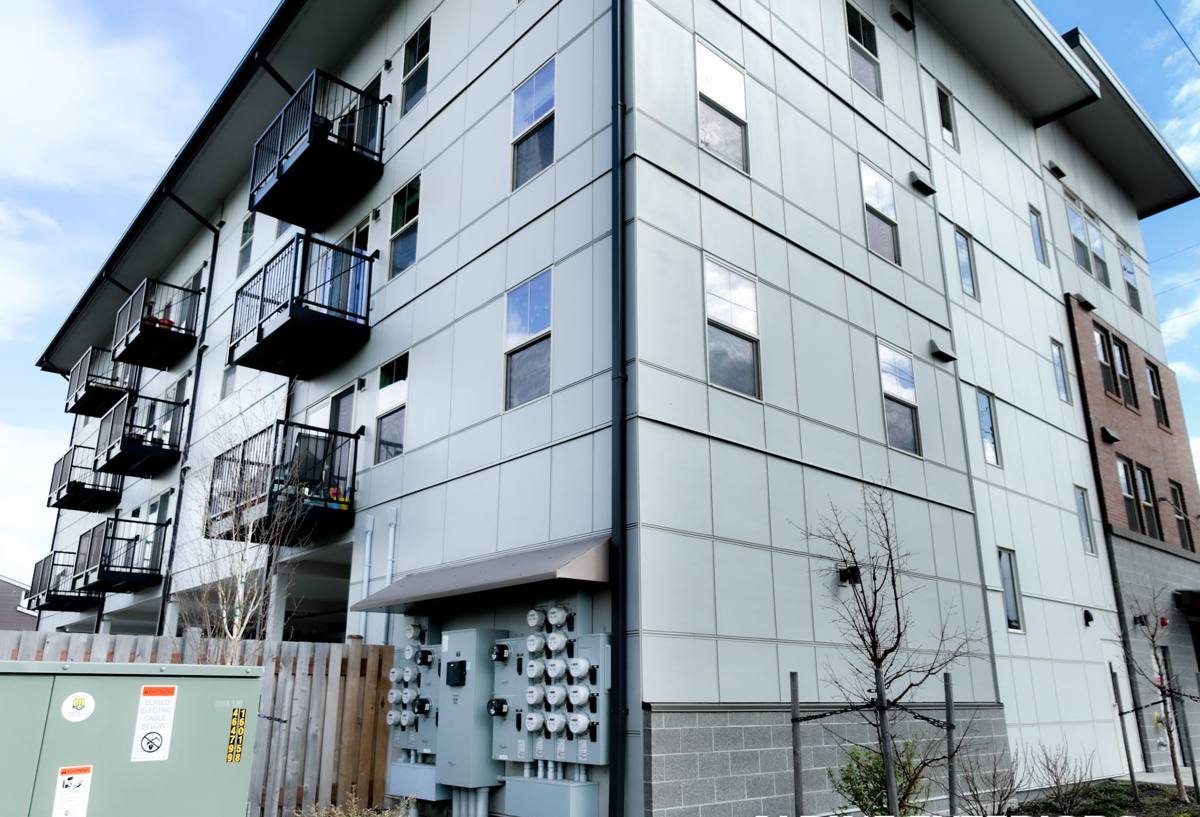
What Actually Damages Roofs Here
Moss and Organic Growth
Whatcom County's damp, mild climate is close to ideal for moss growth on roofing. Moss isn't just cosmetic — it holds moisture against the roofing material far longer than open air would, and on asphalt shingles it works itself under the shingle tabs and lifts them over time. On cedar shakes, moss retention accelerates rot. North-facing slopes, roofs shaded by mature trees, and low-slope sections that drain slowly are the areas we see it worst. Left unaddressed for a few seasons, what starts as a surface cleaning issue turns into a shingle replacement issue.
Salt Air and Metal Fatigue
Bellingham's proximity to saltwater means metal roofing components — flashing, fasteners, gutter hangers, vent caps — corrode faster than they would twenty or thirty miles inland. We regularly find rusted-through flashing at chimneys, skylights, and wall-roof intersections well before the shingles around them are due for replacement. Corroded flashing is one of the single most common causes of an active leak that homeowners can't visually diagnose themselves, because the shingles above it can look completely fine.
Wind-Driven Rain
Winter storms here don't just drop rain straight down — sustained wind pushes it sideways and up under roof edges, ridge caps, and any point where flashing isn't sealed correctly. This is why so many "mystery leaks" in this area trace back to eaves, rakes, and ridge lines rather than the open field of the roof. A repair that only addresses the field shingles and ignores edge details will keep leaking in the next storm.
Temperature Swings and Freeze-Thaw
While Whatcom County doesn't see the deep freezes of the Cascades or eastern Washington, we do get enough freeze-thaw cycling in winter to stress already-compromised roofing. Water that's worked its way under a lifted shingle or through a cracked pipe boot can freeze, expand, and widen the damage overnight.
Signs You Need Roof Repair, Not Just a Cleaning
- Dark streaking or visible moss patches on north-facing or shaded slopes
- Granule buildup in gutters or at downspout outlets — a sign shingles are wearing thin
- Curling, cupping, or lifted shingle tabs, especially near ridges and edges
- Rust staining below flashing at chimneys, skylights, or dormers
- Water stains on interior ceilings or attic sheathing, particularly after a windy rainstorm
- Soft or spongy spots when walking the roof (a sign of sheathing rot underneath)
- Daylight visible through the roof deck from inside the attic
- Sagging sections along the roofline
If you're only seeing moss and light staining with no interior signs, a cleaning and minor shingle repair may be enough. Once you see granule loss combined with lifted shingles or any interior water signs, you're past the point where a simple wash solves it.
What a Correct Roof Repair Actually Involves
A lot of roof repair work that goes wrong isn't because the crew was careless — it's because the repair only addressed the visible symptom and not the underlying cause. Here's what we check on every repair call in the Bellingham area:
1. Find the Real Source, Not Just the Visible Damage
Water travels. A stain on your living room ceiling might trace back to a flashing failure three feet away, uphill, under the roof deck. We trace leaks from the interior damage back to the actual entry point before we touch a single shingle, because replacing shingles directly above a ceiling stain — without checking the flashing or underlayment nearby — is one of the most common reasons a "repaired" leak comes right back.
2. Check and Replace Flashing, Not Just Shingles
Given how much of our leak calls trace back to corroded or improperly sealed flashing, we inspect flashing at every penetration — chimneys, vents, skylights, wall intersections — as part of any repair in this area, even if the original complaint was about shingles.
3. Inspect the Decking Underneath
If moss or a leak has been present for a while, the plywood or board sheathing underneath may have soft spots or rot. Replacing shingles over compromised decking doesn't fix anything — it just re-covers a problem that will resurface, often as a sag or a soft spot you can feel underfoot.
4. Match Materials and Fastening Method
Repairs should use compatible materials and matching fastener types — using dissimilar metals for flashing repairs next to existing metal, for example, can set up galvanic corrosion that eats through both pieces faster than either would corrode on its own. This matters more here than in drier climates because of the salt air.
5. Address the Cause of Moss, Not Just the Moss Itself
If a section of roof grows moss aggressively, it's usually because of shade, poor drainage, or a slope that holds moisture. Cleaning that section without addressing airflow or drainage means the moss comes back in a season or two.
Repair vs. Replacement: How We Help You Decide
Not every damaged roof needs full replacement, and we don't default to recommending one. The honest factors that matter:
| Factor | Leans Toward Repair | Leans Toward Replacement |
|---|---|---|
| Age of roofing material | Under 15 years (asphalt) | Approaching or past 20-25 years |
| Extent of damage | Isolated area (one slope, one flashing point) | Multiple areas, widespread granule loss |
| Decking condition | Solid, no rot found | Soft spots or rot in multiple locations |
| Leak history | First occurrence, clear single cause | Repeated leaks in different spots over time |
| Moss/algae extent | Localized to shaded sections | Roof-wide, embedded under shingle tabs broadly |
We'll walk the roof, tell you honestly which column your situation falls into, and explain the reasoning — not just hand you a number.
Our Roof Repair Process for Bellingham-Area Homes
Inspection and Diagnosis
We start on the ground, checking gutters, fascia, and visible flashing from the exterior, then move to the roof itself when conditions allow it safely. If there's interior damage, we look at the attic or ceiling from the inside too, so we understand the full path water is taking.
Written Explanation Before Work Starts
You'll get a clear explanation of what's actually wrong, what caused it, and what we recommend — including if that recommendation is "this doesn't need repair yet." We'd rather tell you a section is fine for now than talk you into work you don't need.
The Repair Itself
Depending on scope, this can mean replacing damaged shingles and underlayment, re-flashing a penetration point, repairing or replacing sections of rotted decking, or a combination. We match materials as closely as possible to what's already on the roof, and we don't cut corners on flashing details even when they're the less visible part of the job.
Cleanup and Debris Removal
Old shingles, flashing, and any moss debris are removed from the property — we don't leave granules and torn-off material in your gutters or yard.
Moss Prevention Guidance
If moss was a contributing factor, we'll point out what's driving it in your specific case — usually shade or drainage — and give you honest options, whether that's a maintenance cleaning schedule, minor limb trimming to improve airflow, or, on more severe cases, discussing longer-term solutions.
Maintenance That Extends Your Roof's Life Between Repairs
A few habits make a real difference in this climate:
- Clean gutters at least twice a year — clogged gutters back water up under the roof edge, especially during wind-driven rain
- Trim back tree limbs that shade roof sections and drop debris, since standing debris holds moisture and feeds moss
- Have moss professionally removed rather than pressure-washed, since high-pressure washing can strip granules and shorten shingle life
- Check attic ventilation — poor ventilation traps moisture that contributes to both mold and premature shingle aging from underneath
- Walk the roofline visually from the ground after major storms, looking for lifted shingles, displaced ridge caps, or debris buildup
- Schedule a flashing check every few years given how much faster metal corrodes this close to saltwater
Why Hiring a Crew That Already Works in This Area Matters
Roof repair advice that's accurate for Spokane or eastern Washington doesn't always apply here. A contractor who doesn't regularly work in Whatcom County may not think to check flashing corrosion as a first step, or may underestimate how aggressively moss returns in our climate without addressing drainage and shade. We work on homes throughout Ferndale and Bellingham regularly, which means we're not guessing at what the salt air, the rain patterns, or the moss season does to roofing here — we're accounting for it as a matter of course, not as an afterthought.
It also matters for accountability. A local, established contractor is easier to call back if something isn't right, and has a reputation in the community worth protecting. That's a more reliable safeguard than a warranty from a crew that worked here once and moved on.
What to Ask Before Hiring Anyone for Roof Repair
Whether you call us or someone else, these are reasonable questions to ask before work starts:
- Are you licensed and insured in Washington State, and can you provide proof?
- Will you inspect flashing and decking, or only replace visibly damaged shingles?
- What's your plan if you find rot or damage beyond the original scope?
- Do you provide a written estimate and explanation before starting work?
- How do you handle debris and cleanup after the job?
If a contractor is not focused on shingles alone and can't clearly explain their inspection process, that's a reasonable sign to keep looking.
If you're seeing moss buildup, staining, or a leak on a home in Bellingham or Ferndale, we're happy to take a look and give you a straightforward, no-pressure assessment. Fill out the form below to schedule a free estimate — we'll tell you honestly what we find and what it would take to fix it right.