 Ferndale Siding
 Why Sandy Point Puts Windows Through More Than Most Whatcom County Homes
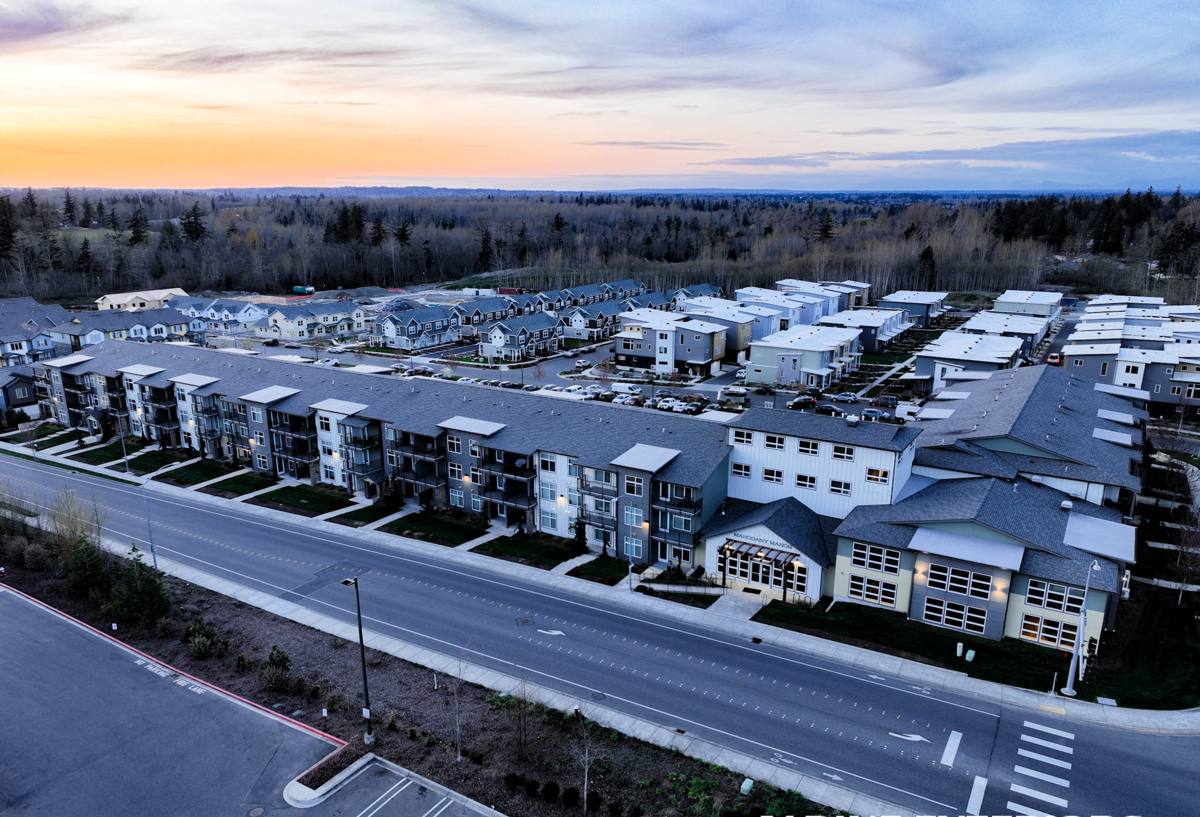
Sandy Point sits close enough to the water that its homes deal with a different mix of weather than houses a few miles inland in Ferndale. Salt-laden air moves through the neighborhood on a regular basis, wind-driven rain comes in sideways during fall and winter storms, and the long stretch of gray, damp months every year gives moss and algae plenty of time to take hold on anything that stays wet. None of that is unusual for this part of Whatcom County, but it adds up faster on windows than most homeowners expect. Hardware corrodes sooner, seals fail earlier, and frames that would last decades in a drier climate start showing wear in half that time.
Energy-efficient windows are usually sold on the promise of lower heating bills, and that's real — but in Sandy Point, the bigger issue is often whether the window survives the environment it's installed in. A window that loses its seal to moisture and salt exposure stops being energy-efficient the moment that happens, no matter what its original rating was.
What "Energy-Efficient" Actually Means for This Climate
Western Washington's coastal climate is mild but wet, with heat loss being the main concern rather than cooling load. That changes which numbers actually matter when comparing windows.
U-Factor Over Solar Heat Gain
U-factor measures how well a window resists heat loss — lower is better. In a climate like ours, where heating dominates the energy bill far more than air conditioning does, U-factor deserves more weight than solar heat gain coefficient (SHGC), which matters more in hot, sunny regions. A window with a strong U-factor rating will do more for a Sandy Point home's comfort and heating costs than one optimized for shading.
Condensation Resistance
High humidity and cool temperatures mean condensation is a real, ongoing issue here, not an occasional nuisance. Windows with poor condensation resistance fog up, drip onto sills, and feed the kind of moisture problems that lead to wood rot and mold around the frame. This is one of the most overlooked specs on a window's label, and it matters as much as the insulation numbers in a marine climate.
Air Infiltration Rating
Wind-driven rain doesn't just wet the glass — it tests every seal and weep hole in the assembly. A window with a poor air infiltration rating will let both drafts and moisture find their way in over time, which shows up as higher bills and, eventually, water damage inside the wall cavity.
Frame Materials: What Holds Up Near the Water
Frame material choice matters more in Sandy Point than it would a few miles inland, because salt air accelerates corrosion and finish breakdown on materials that aren't suited for it.
| Material | Salt Air / Moisture Performance | Maintenance | Notes |
|---|---|---|---|
| Vinyl | Good — doesn't corrode or rot | Low; occasional cleaning | Most common choice for coastal WA replacements; wide range of quality tiers |
| Fiberglass | Very good — dimensionally stable, resists moisture swelling | Low | Higher upfront cost, holds paint and finishes well over time |
| Wood-clad | Fair — cladding protects the exterior, but any breach exposes wood to rot | Moderate to high | Best suited for homes prioritizing an interior wood look; needs attentive sealing |
| Aluminum | Poor without upgraded coatings — prone to corrosion and condensation in this climate | Moderate | We generally steer Sandy Point homeowners away from standard aluminum unless it's a marine-grade or thermally broken product |
We're not against aluminum windows as a category — they have their place in certain architectural styles — but in a salt-air, high-moisture environment, an unprotected aluminum frame is fighting an uphill battle against corrosion from day one. That's a maintenance and longevity trade-off we'll walk through honestly rather than sell around.
Glass Packages Worth Considering
Double-pane, low-E glass is the standard baseline for energy-efficient replacement windows today, and it performs well in our climate. Triple-pane is worth discussing for north-facing rooms, homes closer to the water where wind exposure is higher, or for homeowners specifically chasing lower heating bills — but it adds weight, cost, and isn't always necessary depending on the home's orientation and existing wall insulation. We'll talk through whether the upgrade actually pencils out for your specific windows rather than defaulting to the most expensive option.
Low-E Coatings
Low-E (low-emissivity) coatings reduce heat transfer through the glass without noticeably changing how much light comes through. For our region, a low-E coating tuned for heat retention rather than solar rejection is usually the right call, since keeping heat in matters more here than keeping it out.
Installation Details That Matter More in Sandy Point
The window unit itself is only part of the job. How it's installed determines whether it actually performs the way its rating suggests, and in a climate with this much wind-driven rain, installation quality is often the difference between a window that lasts and one that fails early.
- Flashing: Proper flashing integration with the existing wall assembly — not just caulk — is what keeps wind-driven rain from working its way behind the window frame.
- Sill pans: A sloped sill pan gives any water that does get past the outer seal somewhere to drain, instead of pooling against the frame or sill.
- Sealant selection: Not all exterior sealants hold up to salt air and UV exposure equally — we use products rated for the conditions, not just whatever's fastest to apply.
- Weep hole clearance: Weep holes need to stay clear for a window to shed water properly; we check this during installation and again at follow-up.
- Fastening and shimming: A window that isn't shimmed and fastened correctly will rack over time, straining the seals and letting drafts and moisture in years before they should.
Our Process for a Sandy Point Window Replacement
We approach every window job here the same methodical way, adjusted for what we see on that specific home.
- On-site assessment: We look at existing window condition, frame material, signs of water intrusion, and how exposed each elevation of the home is to wind and rain.
- Measurement and product selection: Exact measurements, then a frame material and glass package recommendation based on the home's exposure and your priorities — energy performance, maintenance, budget, or a mix.
- Removal and inspection: Old windows come out carefully so we can check the surrounding framing and sheathing for hidden moisture damage before anything new goes in.
- Installation with proper water management: Flashing, sill pans, and sealants installed to shed water away from the structure, not just around the window opening.
- Final check and cleanup: Operation check, seal check, and a clean job site when we're done.
Signs Your Sandy Point Home's Windows Need Attention
- Visible condensation or fogging between the panes (a sign the seal has failed)
- Drafts you can feel near the frame, even with the window closed
- Difficulty opening, closing, or locking — often a sign of frame warping or hardware corrosion
- Soft or discolored wood, trim, or drywall near the window
- Visible moss, algae, or persistent green staining around the frame or sill
- A noticeable jump in heating costs without another explanation
- Peeling paint or finish on the frame, especially on the side facing prevailing weather
What Drives the Cost of a Window Replacement Project
| Factor | How It Affects Cost |
|---|---|
| Frame material | Vinyl is typically the most affordable; fiberglass and wood-clad cost more upfront but offer different longevity and appearance trade-offs |
| Glass package | Triple-pane and specialty coatings add cost over standard double-pane low-E |
| Number of windows and sizes | Larger openings and full-home replacements have more material and labor per project, though per-unit pricing often improves with volume |
| Existing condition | Hidden rot or framing damage discovered during removal can add repair work before the new window goes in |
| Access and exposure | Upper-story or hard-to-reach windows on a windward elevation may take more time to install correctly |
We'll give you a clear, itemized estimate before any work starts — no vague allowances that turn into surprise costs once the old windows are out.
Why Local Experience with Sandy Point Homes Matters
A crew that's worked in Sandy Point already knows what this stretch of Whatcom County does to building materials over time. We know to expect corrosion on unprotected hardware, to plan for driving rain from certain directions, and to look closely for moss and moisture damage that inland Ferndale homes are less likely to have. That familiarity means fewer surprises during the job and a better match between the products we recommend and what will actually hold up on your specific home. It also means we're not learning the local climate on your project — we've already seen how different materials and installation approaches perform here over multiple seasons.
If your windows are drafty, fogged, hard to operate, or just old enough that you're wondering whether replacement makes sense, we're happy to take a look. We offer free, no-pressure estimates — walk us through what you're noticing, and we'll give you an honest read on what your home actually needs, using the form below.