 Ferndale Siding
 Sandy Point Roofs Work Harder Than Most
Sandy Point sits right up against the water, and that changes what a roof has to deal with year-round. Homes here take on a steady mix of salt-laden air, wind-driven rain off the Strait, and a moss season that runs longer than it does just a few miles inland in Ferndale proper. None of that is dramatic on any given day, but it adds up. A roof that would coast along fine in a sheltered subdivision can show real wear here after the same number of years, and when a storm rolls through, the damage tends to be more pronounced because the roof was already working from a weaker starting point.
Storm damage repair in a spot like this isn't just "patch what blew off." It's understanding why the damage happened where it did, whether the rest of the roof is quietly compromised too, and what materials and methods actually hold up to the next round of weather rather than just the last one.
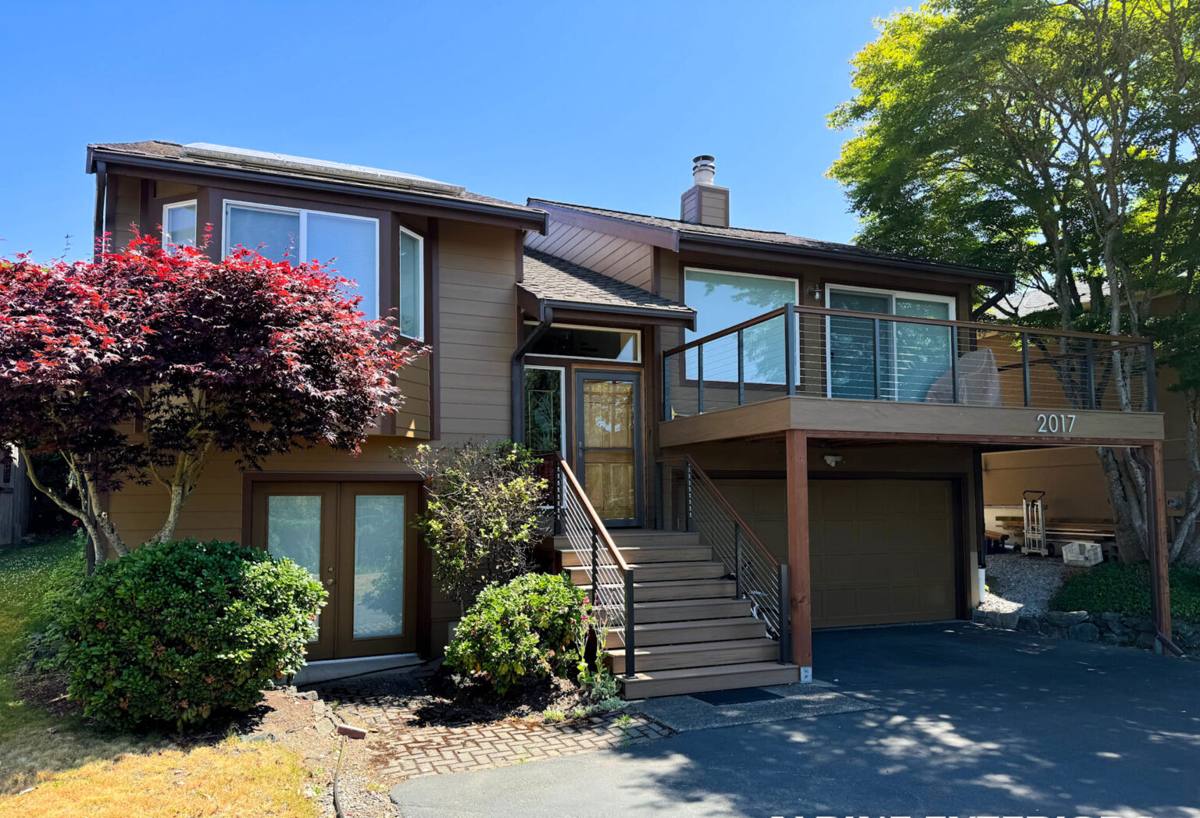
What Salt Air, Wind, and Moss Actually Do to a Roof
Salt Air
Airborne salt accelerates corrosion on exposed metal — flashing, fasteners, gutter hardware, and vent caps. Once corrosion starts, it doesn't stay put; a corroded nail head or a pitted flashing seam is where water finds its way in during the next storm, even if the shingles around it look fine.
Driving Rain and Wind
Wind off open water doesn't just push rain sideways — it gets up under shingle tabs and at ridge lines, working loose the seal that keeps a roof watertight. Repeated wind events, even smaller ones that never make the news, gradually loosen fasteners and lift edges. By the time a bigger storm hits, a roof with that kind of history is much more likely to lose shingles or take water intrusion.
Moss
Whatcom County's long wet season gives moss plenty of time to establish on north-facing slopes and shaded valleys. Moss holds moisture against the roof surface, works into shingle layers, and lifts edges — which then gives wind and rain an easier point of entry. A roof with moss buildup is, in effect, pre-damaged before a storm ever arrives.
What Counts as Storm Damage — and What Doesn't
Not everything that looks bad after a storm is storm damage, and not everything that's actually storm damage is obvious from the ground. Being straight with homeowners about this distinction matters, especially if an insurance claim is part of the picture.
- Likely storm damage: shingles physically torn, creased, or missing after a specific wind event; flashing bent or pulled away; visible impact marks from falling branches or debris; sudden new leaks that line up with a storm date.
- Usually pre-existing wear, not storm damage: granule loss and thinning from years of sun and salt exposure; moss-related lifting that's been building for seasons; nail pops from age; soft or spongy decking from long-term moisture, not a single event.
- Gray area: a shingle that was already brittle from age and salt exposure and then cracked in the wind. Technically the storm was the trigger, but the underlying weakness was there first — this is where an honest inspection and clear photos matter for both the repair plan and any claim.
We tell homeowners what we actually see, not what's easiest to claim. That honesty is what keeps a roof — and a relationship with an adjuster — on solid ground.
Our Storm Damage Repair Process
1. Inspection First, Repair Second
We walk the roof (and the attic, when we can get access) to find the actual extent of the damage, not just the parts visible from the driveway. Wind and rain damage often extends past the spot where water is currently showing up inside.
2. Temporary Protection if Needed
If there's active water intrusion or exposed decking, the priority is stopping further damage — tarping, temporary flashing, or sealing exposed areas — before scheduling the permanent repair. A roof left open to more rain, even for a few days, can turn a shingle repair into a decking repair.
3. Repair vs. Replace, Explained Plainly
Isolated storm damage on a roof that's otherwise in decent shape usually just needs a targeted repair — matching shingles, resealing flashing, replacing damaged decking sections. If the storm damage is widespread, or if it exposed underlying wear (old flashing, brittle shingles, moss damage across multiple slopes), we'll say so and lay out why a full section — or the whole roof — makes more sense than chasing repairs on a roof that's near the end of its useful life anyway.
4. Matching Materials, Not Just Covering the Hole
A patch that doesn't match the existing roofing in type, color, or wind rating is a weak point waiting to happen — and it looks it. We match materials where the existing roof is sound, and we're upfront when an older roof no longer has a good match available, so the decision is made with full information.
Materials for a Storm-Prone, Salt-Air Property
Material choice matters more at Sandy Point than in a lot of inland Ferndale neighborhoods, because everything is fighting salt exposure and wind on top of normal weathering. Here's how the common options generally compare for this kind of setting:
| Material | Wind Performance | Moss/Moisture Behavior | Maintenance | Typical Lifespan Range |
|---|---|---|---|---|
| Standard 3-tab asphalt shingles | Lower wind rating, more prone to tab lift in coastal gusts | Susceptible to moss without regular treatment | Moderate — moss and edge checks needed | 15–20 years |
| Architectural (laminate) asphalt shingles | Higher wind rating than 3-tab; better edge seal | Same moss exposure risk, but heavier profile sheds debris a bit better | Moderate | 25–30 years |
| Metal roofing (standing seam or panel) | Strong wind performance when properly fastened | Sheds moss and moisture well; needs corrosion-resistant fasteners near salt air | Low, but fastener/flashing inspection matters more near water | 40–50+ years |
| Wood shake/shingle | Variable; can be damaged by wind-driven debris | High moisture retention risk without diligent upkeep | High — regular treatment needed to resist moss and rot | 20–30 years, shorter with poor upkeep |
There's no single "correct" answer for every roof — budget, the home's style, and how much ongoing maintenance a homeowner wants to take on all factor in. What we won't do is install a material that's a poor fit for a waterfront property just because it's the cheapest option up front; we'd rather explain the trade-offs than have a homeowner replacing a roof again in half the time it should have lasted.
Storm Damage and Insurance: What Actually Helps Your Claim
We're contractors, not insurance adjusters, and we won't promise a claim outcome we don't control. What we can do is document the damage clearly and factually: dated photos, a written description of what we found and where, and an honest separation of storm-caused damage from pre-existing wear. That kind of documentation, provided promptly after a storm, tends to make the claims process smoother — vague or incomplete documentation is one of the more common reasons claims get delayed or disputed.
If you're not sure whether damage is significant enough to file a claim, an inspection first is usually the right move. It costs you nothing to find out what you're actually dealing with before you decide.
Signs Your Sandy Point Roof Needs a Post-Storm Inspection
- Shingles or shingle pieces visible in the yard or gutters after wind
- New or worsening water stains on ceilings or upper walls
- Visible gaps, lifted edges, or missing shingles from the ground
- Bent, loose, or missing flashing around chimneys, vents, or roof valleys
- Granules collecting in gutters or downspouts after a storm
- Sagging or soft-looking spots on any roof plane
- Moss buildup that's noticeably thicker or spreading since last season
- Any leak, drip, or musty smell in the attic after heavy rain
If more than one or two of these apply, it's worth getting eyes on the roof before the next storm system moves through — small issues after wind events tend to get worse, not better, if they sit through another round of rain.
Why a Ferndale-Based Crew That Already Works Sandy Point Matters
Storm damage repair goes better when the crew already understands the conditions a roof is fighting. We're based in Ferndale and work Whatcom County's waterfront and near-waterfront neighborhoods regularly, so we're not learning the local climate on your roof — we already know how salt exposure ages materials differently than an inland property, and we know how quickly a small wind-lifted section can turn into a bigger problem if it sits through another storm.
Being local also means a faster response after a storm, when timing matters most for keeping minor damage from becoming major damage. A roof with an open seam or a missing shingle doesn't need to wait weeks for an out-of-area crew to get to it.
Reducing the Damage From the Next Storm
Storm damage repair fixes what already happened. A few ongoing habits reduce how much damage the next storm causes in the first place:
- Keep gutters and downspouts clear so wind-driven rain has somewhere to go instead of backing up under roof edges
- Address moss buildup before it establishes heavily, especially on shaded or north-facing slopes
- Have flashing and fastener condition checked periodically, given the corrosion risk from salt air
- Trim back tree limbs that could become storm debris against the roof
- Get a roof inspected after any notably strong wind event, even if nothing looks obviously wrong from the ground
None of this prevents every problem — a strong enough storm will find the weak point in any roof — but it narrows the odds and keeps small issues from turning into expensive ones.
If you're dealing with storm damage on a Sandy Point roof, or you just want an honest look at where things stand before the next system rolls in, we're glad to come take a look. The estimate is free, there's no pressure attached to it, and you'll get a straight answer about what's actually going on with your roof.