 Ferndale Siding
 Windows Built for Semiahmoo's Coastal Conditions
Semiahmoo sits close enough to the water that its homes take a different kind of weathering than houses a few miles inland in Ferndale or Lynden. Salt-laden air off the bay works into window hardware and frame seams over time, wind-driven rain gets pushed sideways into gaps that would stay dry elsewhere, and the long gray stretch of fall through spring keeps wood and vinyl surfaces damp for weeks at a stretch. None of that is dramatic on its own, but it adds up. A window that's a marginal fit in Bellingham or Everson can fail years earlier out here simply because it's exposed to more moisture, more salt, and more wind pressure than it was ever really tested for.
We install windows in Semiahmoo the way the site actually demands, not the way a generic install guide assumes. That means paying close attention to flashing details, drainage paths, and hardware selection before the first window ever goes into the opening.
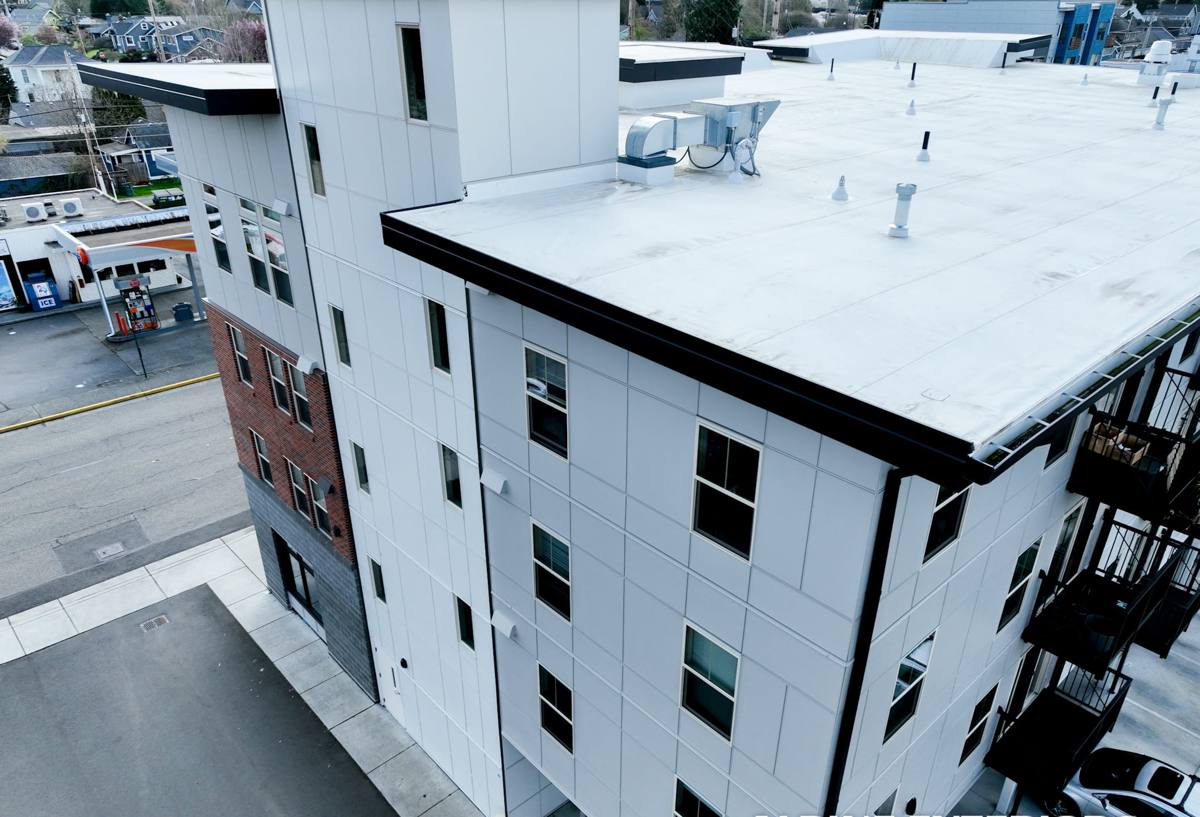
What Coastal Exposure Actually Does to a Window
It helps to understand the specific failure modes we're designing against, rather than just saying "coastal climate is tough." Here's what we see repeatedly on homes near the water in Whatcom County:
- Corroded hardware: Cheaper locks, hinges, and balance systems pit and seize faster when salt air gets into them, making windows hard to open or lock properly within a handful of years.
- Wicking and rot at the sill: Wood-framed windows without proper sealant and flashing let water track into the sill and surrounding framing, where it sits because the air rarely dries things out quickly.
- Wind-driven water intrusion: Storms off the water don't just fall straight down — they push rain sideways under trim and around poorly sealed nailing flanges, especially on west- and north-facing walls.
- Moss and algae staining: Long damp seasons let moss and green growth take hold on horizontal surfaces like sills and trim, which isn't just cosmetic — it holds moisture against the frame.
- Seal failure in double-pane units: Constant humidity swings stress the seals on insulated glass, leading to fogging between panes sooner than the manufacturer's rated lifespan.
Every one of these is preventable with the right materials and the right installation detail. None of them are inevitable just because a house sits near the bay.
What a Correct Window Installation Involves
Before the Old Window Comes Out
We check the rough opening for existing water damage or rot before removing anything. If the sheathing or framing around a window has already been compromised by past leaks, that gets addressed first — installing a new window into a soft or damp opening just locks the problem behind a fresh frame.
Flashing and Drainage
This is where most installation failures actually originate, and it's largely invisible once the trim goes back on. A proper install uses a flashing sequence — sill pan, side flashing, and head flashing integrated with the house wrap — so that any water that does get past the window sheds down and out rather than pooling at the sill or working its way into the wall cavity. In a location like Semiahmoo, where wind-driven rain is a real factor, this sequencing matters more than the window brand itself.
Sealing and Insulation
We seal the perimeter with a compatible sealant and insulate the gap between the frame and the rough opening without overfilling it — packing a gap too tight with expanding foam can actually bow the frame and cause the window to operate poorly. Sealant choice matters too; not every caulk holds up to constant damp-dry cycling near the coast.
Hardware and Glass Package
We select hardware rated for coastal or high-moisture exposure rather than standard-grade components, and we talk through glass options — including low-E coatings and gas-filled insulated units — based on which direction the window faces and how much weather it will actually take on that wall.
Choosing the Right Window for a Semiahmoo Home
There isn't one correct window material for every house, but there are trade-offs worth understanding before you decide.
| Material | Coastal Durability | Maintenance | Notes |
|---|---|---|---|
| Vinyl | Good — won't rot or corrode | Low | Reliable value option; quality varies widely between manufacturers |
| Fiberglass | Very good — dimensionally stable, resists moisture | Low | Higher upfront cost, holds paint and performs well in temperature swings |
| Aluminum-clad wood | Good exterior protection, interior wood still needs care | Moderate | Attractive option but relies on clad seams staying intact |
| Solid wood | Poor without diligent upkeep this close to salt air | High | We're honest with clients that this is a tough spot for unclad wood |
We'll walk through these trade-offs against your home's actual exposure — a window on a sheltered south wall doesn't need to be treated the same as one facing the open wind off the bay.
Full-Frame Replacement vs. Pocket (Insert) Replacement
Homeowners often ask which approach we recommend, and the honest answer is that it depends on the condition of the existing frame:
- Pocket replacement fits a new window into the existing frame. It's faster and less invasive, and it's a reasonable option when the old frame is still solid, square, and dry.
- Full-frame replacement removes the window down to the rough opening. It costs more and takes longer, but it's the right call whenever we find rot, poor flashing, or water damage behind the old frame — which is more common in coastal-exposed homes than inland ones.
We won't recommend a pocket replacement just because it's cheaper if what we find behind the old window says otherwise. Covering up a problem with a new frame just delays a bigger repair.
Our Process, Start to Finish
- On-site assessment: We look at each window opening individually, not just the house as a whole — orientation, existing damage, and current window condition all factor in.
- Written estimate: You get a clear scope and price before any work starts, including whether we expect pocket or full-frame replacement per opening.
- Material selection: We help you weigh frame material, glass package, and hardware against your budget and how exposed each wall actually is.
- Removal and inspection: Old windows come out carefully, and we inspect framing and sheathing before anything new goes in.
- Installation: Proper flashing, sealing, and insulation sequence — the part that determines how the window performs in five or fifteen years, not just on install day.
- Final check and cleanup: We verify operation, seal quality, and finish work, and we clean up the site before we leave.
Why a Local Crew Matters for This Kind of Work
Window installation quality is mostly determined by details you can't see once the job is done — flashing laps, sealant choice, how tight the shim gap is packed. A crew that works Whatcom County's coastal edge regularly has already seen which details matter most in this specific environment, because they've gone back to homes years later and seen what held up and what didn't. That's different from a crew that mostly installs windows in drier, more sheltered parts of the region and treats every job the same way.
We're also close enough to respond quickly if something needs a follow-up look after a hard storm, and we're familiar with the permitting and inspection expectations that apply to work in this part of Whatcom County.
Signs Your Semiahmoo Windows Need Attention
A quick self-check before you call anyone:
- Visible fog or moisture between panes of double-glazed glass
- Drafts you can feel near the frame even with the window fully closed
- Soft, discolored, or spongy trim or sill wood
- Windows that stick, won't latch fully, or need force to open
- Moss or persistent green staining building up on sills or exterior trim
- Peeling paint or bubbling finish concentrated around the window frame
- Rising energy bills without another clear explanation
Any one of these on its own might be minor. Several together, especially on a window facing prevailing wind and rain, usually means it's worth having someone look before it becomes a framing repair instead of a window replacement.
Maintaining New Windows in a Coastal Climate
A correctly installed window still benefits from some seasonal attention out here. Rinsing salt residue off frames and hardware a couple times a year keeps corrosion from getting a foothold, and clearing moss or debris from sills before it holds moisture against the frame goes a long way. Checking that weep holes on vinyl and fiberglass frames stay clear is a five-minute job that prevents water from backing up inside the frame instead of draining out. None of this is heavy maintenance — it's the kind of upkeep that extends a well-installed window's life by years rather than shortening it.
If you're noticing drafts, fogging, sticking sashes, or just want a straight answer on whether your current windows are holding up to what Semiahmoo's climate throws at them, we're happy to take a look. Fill out the form below for a free, no-pressure estimate — we'll tell you honestly what we find, whether that means a full replacement, a partial fix, or nothing at all.