 Ferndale Siding
 Storm Damage Roof Repair Built for Kendall's Weather
Homes in the Kendall area sit further inland and closer to higher terrain than Ferndale proper, which means they take a different kind of beating than roofs along the coast. Instead of pure salt spray, Kendall roofs deal with heavier tree cover, more standing moisture under the canopy, and wind events that funnel down through the valleys. Add in Whatcom County's long, wet shoulder seasons and it's easy for storm damage to go unnoticed until a leak shows up on a ceiling. We repair storm-damaged roofs for homes in and around Kendall, and we do it with an eye toward what actually causes failures out here — not a generic checklist written for a drier climate.
This page covers what storm damage really looks like on a Kendall roof, what a correct repair involves, and how our process works from the first call to the final inspection.
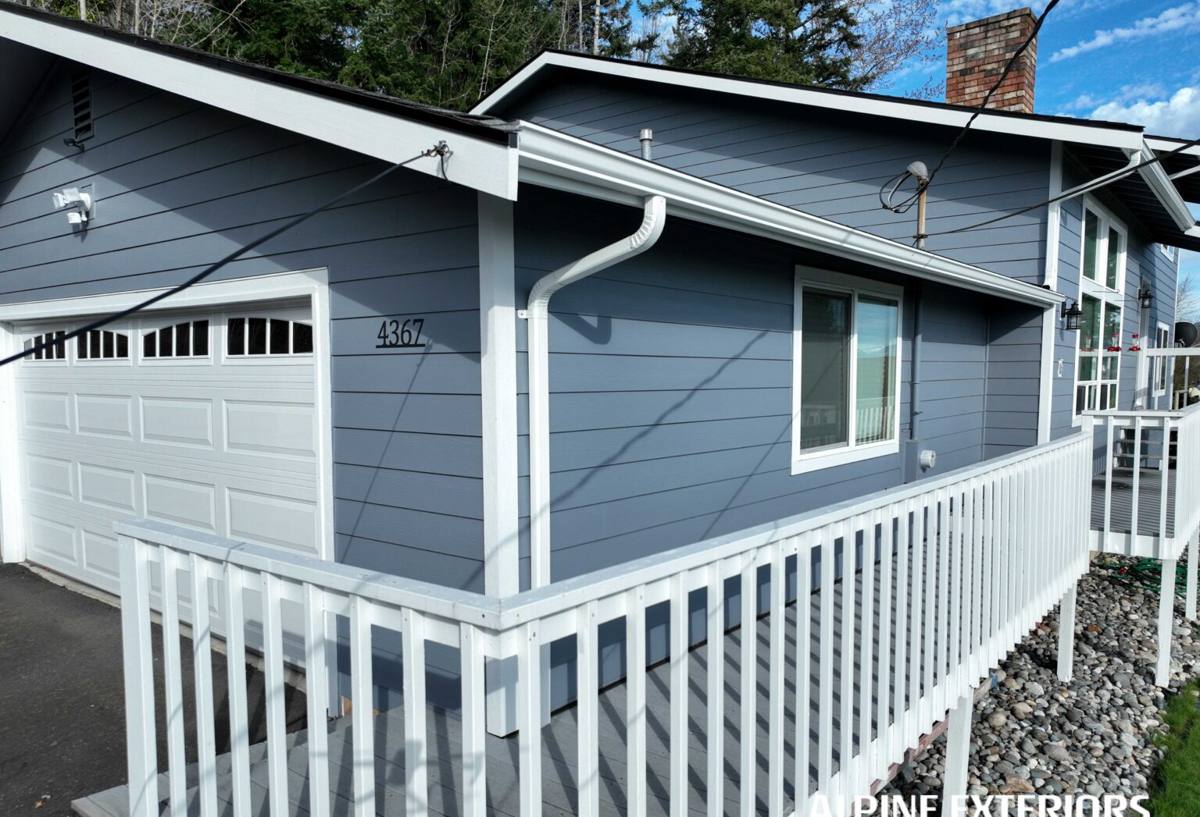
What Whatcom County Storms Do to a Kendall Roof
Storm damage in this part of the county rarely looks like the dramatic missing-shingle scenes people picture. More often it's a slow, compounding problem that starts small and grows every time it rains.
Wind and Debris
Kendall's tree-heavy lots mean wind events bring more than just gusts — they bring falling limbs, wind-driven debris, and constant flexing of shingles and panels at the edges of the roof. Repeated flexing loosens fasteners and breaks the seal strips on asphalt shingles long before a homeowner sees a visible gap.
Driving Rain and Wind-Driven Water
Whatcom County storms frequently push rain sideways, not straight down. That matters because most roofing systems are designed to shed water moving downhill, not water forced sideways or upward under a shingle edge. Once a seal is broken by wind, driving rain finds its way underneath and travels along the deck before it ever shows up as an interior stain.
Moss, Shade, and Extended Wet Season
Kendall's tree cover keeps roofs shaded and slower to dry than open, sun-exposed roofs closer to town. Combined with our long moss season, that shade lets moss and moisture-loving growth establish on north-facing slopes and valleys. Moss holds water against the roofing material, works its way under shingle tabs, and quietly degrades the surface — a storm just finishes the job moss already started.
Signs Your Kendall Roof Has Storm Damage
Because so much of this damage starts hidden, we tell homeowners to check for these signs after any significant wind or rain event:
- Granules collecting in gutters or at the base of downspouts
- Shingles that look lifted, curled, or out of alignment along one edge or slope
- Soft or discolored ceiling patches, especially near chimneys, skylights, or where the roof meets a wall
- Moss or dark streaking that has thickened noticeably since the last storm
- Bent, dented, or missing flashing around vents, chimneys, and valleys
- Debris — branches, needles, or moss clumps — piled in valleys where water is meant to drain
- Gutters pulling away from the fascia or sagging under debris weight
- A musty smell in the attic, which usually means moisture has already gotten past the roofing surface
Any one of these on its own might be minor. Several together, especially after a known storm, is worth a proper inspection before the next rain.
What a Correct Storm Damage Repair Actually Involves
A lot of "storm repairs" amount to patching the one spot that's leaking and calling it done. That approach almost always fails again within a season or two, particularly on shaded, moss-prone roofs like the ones common around Kendall. A correct repair addresses the cause, not just the symptom.
Full-Roof Inspection, Not Just the Leak Point
Water travels. The spot where a ceiling stain shows up is often several feet from where the water actually entered the roof. We inspect the full slope — and adjacent slopes — before deciding what needs to be repaired, because wind and moss damage rarely stay confined to one shingle.
Matching Materials, Not Guessing
Patch repairs done with mismatched shingles or the wrong underlayment weight create a weak point that fails faster than the surrounding roof. We match existing materials as closely as possible, and where an exact match isn't available, we explain the trade-off honestly rather than installing something that will visibly age differently.
Flashing and Valley Work
Flashing failures cause a disproportionate share of the leaks we find on storm calls. Flashing around chimneys, skylights, and roof valleys takes the most abuse from wind-driven water and is also the most commonly rushed repair. We re-seat, replace, or reseal flashing as part of any storm repair — patching shingles over failed flashing just hides the problem for a while.
Deck Condition Underneath
If water has been getting under the roofing surface for a while, the plywood or OSB deck underneath may be soft or delaminated. We check deck condition wherever damage is found and replace sections that won't hold fasteners securely — installing new shingles over a soft deck is a short-term fix that costs more later.
Ventilation and Moisture Balance
On shaded, tree-covered lots, attic ventilation matters more than people expect. Poor ventilation traps moisture that never fully dries between storms, which accelerates both moss growth and shingle deterioration. Where ventilation is clearly inadequate, we'll point it out as part of the repair conversation.
Our Storm Damage Repair Process
1. Initial Call and Photo Assessment
We start with a conversation about what happened — the storm date, what you've noticed, and any interior signs of a leak. Photos help us prioritize, especially if there's an active leak that needs a temporary fix before we can get on-site.
2. Temporary Protection if Needed
If a roof is actively leaking, our first job is to stop active water intrusion — tarping exposed areas or securing loose materials so the damage doesn't spread while a full repair is scheduled.
3. On-Site Inspection
We walk the full roof, check the attic where accessible, and document what we find with photos. You'll get a plain explanation of what's damaged, what's causing it, and what your options are — not just a number.
4. Written Scope and Estimate
We put the repair scope in writing before any work starts: what's being replaced, what materials are used, and what it costs. No surprise add-ons once work begins.
5. Repair and Cleanup
Repairs are completed, debris is cleared from the roof and gutters, and the area is cleaned up before we leave.
6. Final Walkthrough
We walk you through what was done and flag anything worth watching — a ventilation issue, an aging section of roof nearby, or a moss pattern worth monitoring next season.
Repair or Replace? Honest Cost Factors
Not every storm-damaged roof needs full replacement, and not every repair is worth doing on an aging roof. These are the factors that actually drive that decision:
| Factor | Favors Repair | Favors Replacement |
|---|---|---|
| Roof age | Under 12–15 years, otherwise healthy | Nearing or past expected service life |
| Extent of damage | Isolated to one area or slope | Spread across multiple slopes or the whole roof |
| Deck condition | Solid, no soft spots found | Soft or delaminated decking in several areas |
| Moss and moisture history | Minor, manageable growth | Long-term moss damage under multiple shingle courses |
| Material availability | Close match to existing shingles available | Discontinued or badly mismatched material |
| Insurance scope | Claim covers targeted storm repair | Adjuster scope already includes full slope or roof |
We'll always tell you honestly which side of that table your roof falls on, even when a repair is the smaller job for us.
Working With Storm Damage Insurance Claims
Many storm repairs in Whatcom County involve an insurance claim. We're happy to document damage clearly — with photos and a written scope — so you have what you need for your adjuster. We don't inflate damage to pad a claim, and we don't downplay it either; our documentation reflects what's actually on the roof. If your policy has questions about storm date, prior damage, or wear-and-tear exclusions, we'll give you a straight answer about what we're seeing so you can have that conversation with your insurer with real information in hand.
Why It Matters to Hire a Crew That Already Works in Kendall
Storm damage repair isn't just about roofing skill in general — it's about understanding how the local terrain, tree cover, and weather patterns interact on a specific roof. A crew unfamiliar with the Kendall area might treat every leak like a coastal wind problem and miss the shade-and-moisture pattern that's actually at play, or vice versa. Because we work storm calls across Ferndale and the surrounding Whatcom County communities, including Kendall, we've seen how the combination of tree cover, valley wind, and extended wet seasons plays out on roofs like yours — and we bring that context to every inspection, not just a generic repair checklist.
If a recent storm has left your roof with missing shingles, active leaks, or damage you're not sure how to read, we're glad to take a look. Reach out for a free, no-pressure estimate using the form below — we'll give you a straight assessment of what's going on and what it will take to fix it right.