 Ferndale Siding
 Window Replacement in Cordata: Built for Whatcom County's Marine Climate
Cordata sits close enough to the coast that Whatcom County's marine weather shapes just about every exterior decision a homeowner makes, and windows are no exception. Salt-laden air moving in off the water, driving rain that comes in sideways during winter storms, and a moss season that seems to stretch longer every year all put steady pressure on window frames, seals, and the wall assembly behind them. A window that was installed correctly for a drier inland climate can still fail here — not because the product was bad, but because the installation didn't account for how much moisture this area actually sees over a full year.
This page is about one job, done right, in one area: replacing windows on homes in and around Cordata. We're not going to give you a generic rundown of window types. We're going to walk through what local homes actually need, what separates a correct installation from one that just looks finished, and why the details matter more here than they would in a lot of other parts of the country.
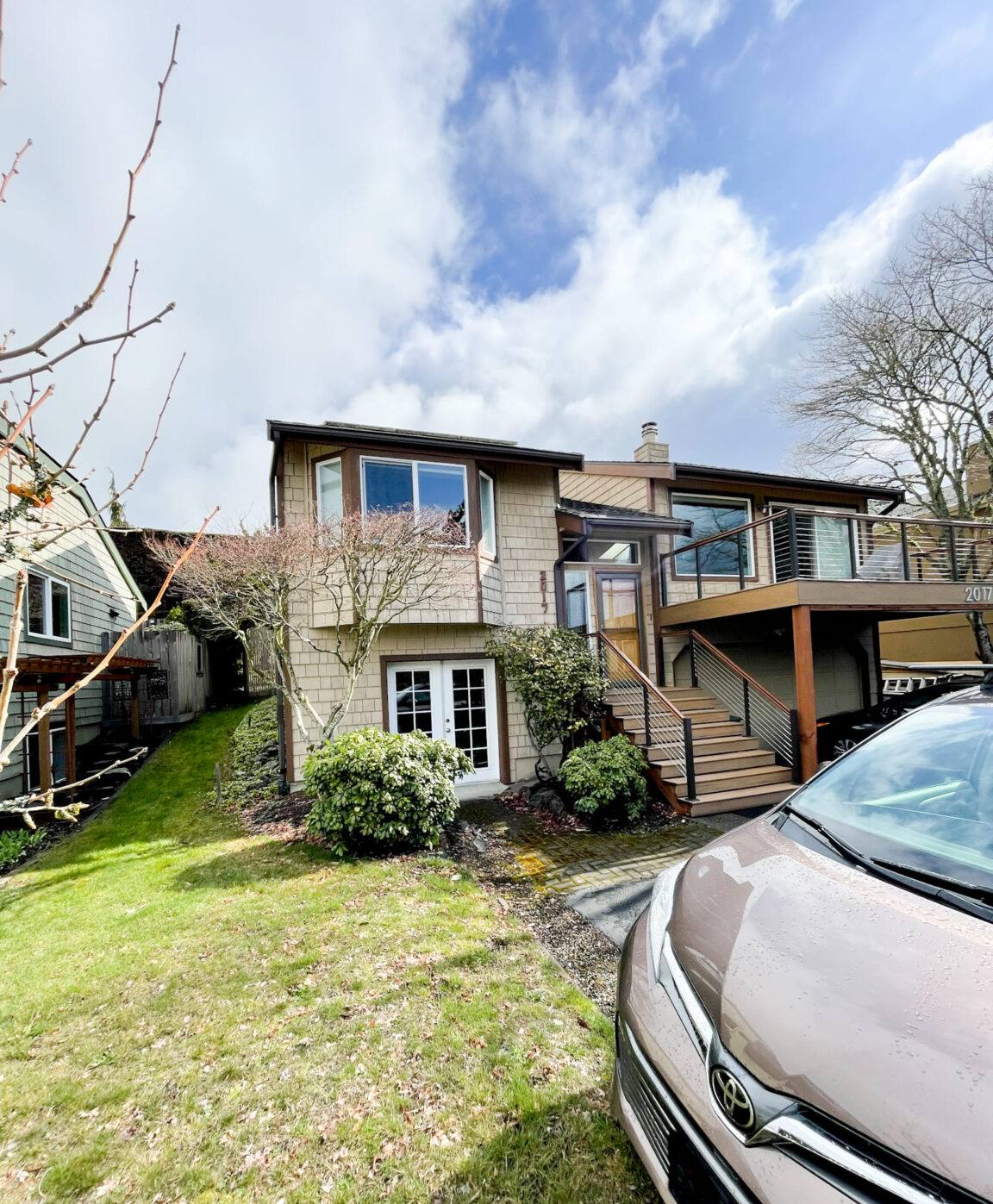
What Cordata Homes Ask of Their Windows
Three climate factors drive almost every recommendation we make on a Cordata window job:
Salt Air and Corrosion
Proximity to Puget Sound and Bellingham Bay means airborne salt reaches further inland than most homeowners assume. Over years, salt exposure accelerates corrosion on hardware, fasteners, and cheaper metal components — hinges get stiff, locks bind, and unprotected fasteners rust and stain the surrounding trim. This is why hardware quality and corrosion-resistant fasteners matter as much as the glass package.
Driving Rain
Whatcom County storms frequently bring wind-driven rain rather than straight-down rain. Wind-driven water finds every gap in a window's flashing and sealant, and it doesn't take much of a gap for water to work its way behind the siding and into the wall cavity. Most of the water damage we find during tear-out isn't from a bad window — it's from flashing and sealant that was never installed to handle rain pushed sideways by wind.
Moss and Prolonged Dampness
A long, wet moss season means north-facing and shaded window trim stays damp for extended stretches of the year. Wood trim and sills that don't get enough sun to dry out are prone to rot if the water management behind them isn't solid. This is less about the window unit itself and more about how the frame, sill, and surrounding trim are detailed and sealed.
Signs a Cordata Home Is Ready for Replacement Windows
- Visible condensation or fogging between the panes of a double- or triple-pane window — this means the seal has failed and the insulating gas has escaped
- Drafts you can feel near the frame even when the window is fully latched
- Wood trim or sills that feel soft, spongy, or show dark staining
- Windows that are difficult to open, close, or lock — often a sign of frame warping or hardware corrosion
- Paint or finish that's peeling or bubbling specifically around the window opening, which usually points to moisture trapped behind the trim
- Noticeably higher heating bills compared to similarly sized homes nearby
- Visible daylight or gaps around the frame from outside
Any one of these on its own might just need a repair. Several of them together, especially on an older home, usually mean the window and its surrounding water management have reached the end of their useful life.
What a Correct Window Replacement Actually Involves
The window unit itself is often the easiest part of this job to get right. The parts that determine whether the job holds up through a Whatcom County winter are the details around it.
Removing the Old Window Properly
This means cutting out old sealant and flashing cleanly, checking the framing underneath for hidden rot or water staining, and not assuming the wall behind the old window is in good shape just because the interior drywall looks fine. If we find damaged sheathing or framing, we address it before the new window goes in — patching around rot just seals the problem inside the wall.
Sill Pan and Flashing
A sloped sill pan under the new window gives any water that does get past the exterior seal somewhere to go — out, not into the wall. Flashing tape and building paper need to be layered correctly (shingled, so upper layers overlap lower ones) so water sheds downward and outward instead of finding a seam to work into. This is the single most important step for a home dealing with driving rain, and it's also the step that's easiest to rush or skip on a fast, low-cost install.
Air Sealing and Insulation
The gap between the window frame and the rough opening needs to be filled with a proper low-expansion foam or backer rod and sealant — not stuffed with fiberglass insulation, which does little to stop air movement and nothing to stop water.
Exterior Sealant and Trim
A quality, flexible exterior sealant rated for this climate, applied at the right points (not everywhere — some drainage gaps are intentional), finishes the water management system. Trim is then reinstalled or replaced with attention to keeping wood components away from standing water and giving them a way to dry out.
Frame Materials: What Actually Holds Up Here
| Material | Behavior in Marine/Coastal Climate | Maintenance |
|---|---|---|
| Vinyl | Doesn't rot or corrode; handles moisture well; can expand/contract with temperature swings | Low — occasional cleaning |
| Fiberglass | Very stable in wet climates, resists warping, strong seal retention over time | Low |
| Wood (unclad) | Classic look but vulnerable to rot and moss growth if finish isn't maintained | High — regular refinishing needed |
| Wood-clad (aluminum or fiberglass exterior) | Combines wood interior with a weather-resistant exterior shell; good option where wood look is wanted | Moderate |
| Aluminum | Durable but conducts cold and can condense/corrode near salt air without upgraded finishes | Moderate |
We don't push one material on every home. What we do rule out, as a matter of our own installation standard, is unclad exterior wood in exposed, shaded, or north-facing openings in this area — the maintenance burden and rot risk are too high for what most homeowners want to deal with year after year. That's a judgment call based on how this climate treats bare wood over time, not a claim about any particular manufacturer.
Glass Packages Worth Considering
For Cordata's mix of gray, overcast winters and bright summer afternoons, the glass package matters as much as the frame:
- Low-E coatings reduce heat loss in winter and heat gain in summer — a real comfort difference in a house that runs the furnace much of the year
- Argon or krypton gas fill between panes improves insulation value over plain air-filled units
- Double-pane is the practical baseline for this climate; triple-pane adds meaningful sound dampening and insulation but at a higher cost and weight
- Tempered glass is required by code in certain locations (near doors, low to the floor, in wet areas) — your installer should know these code triggers without you having to ask
Our Process
- On-site assessment — we look at every window being replaced, check for existing rot or water damage, and measure openings precisely
- Honest recommendation — we walk through frame and glass options suited to the home's exposure (sun, wind, shade) rather than a one-size answer
- Written estimate — clear scope, materials, and timeline before any work starts
- Careful removal — old units come out cleanly, and we stop to address any hidden framing damage we find
- Correct water management install — sill pan, shingled flashing, proper air sealing, exterior sealant
- Final check — every window opens, closes, and locks smoothly, with trim and finish work completed
- Walkthrough — we show you the finished work and explain anything you should keep an eye on
What Affects Cost
| Factor | Why It Matters |
|---|---|
| Number of windows | Per-unit cost typically drops with larger projects due to shared setup and labor |
| Frame material | Vinyl is generally most affordable; fiberglass and wood-clad options cost more upfront |
| Full-frame vs. insert replacement | Insert (pocket) replacement reuses the existing frame and is faster/cheaper; full-frame replaces everything down to the studs and is needed when rot or major air leaks are found |
| Existing damage | Hidden rot or water damage found during removal adds repair time and material cost |
| Window size and shape | Custom sizes, bays, and specialty shapes cost more than standard rectangular units |
| Access and height | Second-story or hard-to-reach windows require more labor and equipment |
Most straightforward single-window replacements run into the low thousands of dollars per window installed, with whole-house projects scaling from there depending on the factors above. We give a firm, written number after seeing the actual openings — not a phone-quote guess.
Why Hiring a Crew That Already Works Cordata Matters
A contractor who works this specific area regularly already knows which orientations tend to take the worst weather, which older homes commonly have hidden rot behind trim that looks fine from the outside, and how to detail flashing so it holds up against wind-driven rain rather than just passing a dry-day inspection. That local knowledge shows up in decisions you'd never notice on install day — like where to add extra flashing overlap, or which openings need a sill pan even if the original construction didn't have one.
It also means accountability. A crew based in this area and working in Ferndale and the surrounding Whatcom County communities has a reason to stand behind the work years down the road, not just get through the punch list and move on to the next town.
Ready to Talk About Your Windows?
If your windows in Cordata are fogging, drafting, sticking, or just past their prime, we're happy to take a look and give you a straight answer about what they need — whether that's a full replacement or something less. Use the form below to request a free, no-pressure estimate.