 Ferndale Siding
 Windows Built for Fairhaven's Coastal Exposure
Fairhaven sits close enough to the water that homes here take a different kind of weather beating than houses a few miles inland in Ferndale proper. Salt-laden air works on metal hardware and finishes year-round. Driving rain off Bellingham Bay pushes water sideways into places a window was never designed to shed it. And Whatcom County's long, wet moss season means anything shaded or north-facing stays damp for weeks at a stretch. Windows in this neighborhood don't fail because they're old — they fail because the install details that matter here were treated as generic, one-size-fits-all work.
Custom windows done right for a Fairhaven property means matching the unit, the flashing, and the sealing method to the actual exposure of that wall — not just dropping in a bigger, nicer-looking window and calling it done.
What "Custom" Actually Means Here
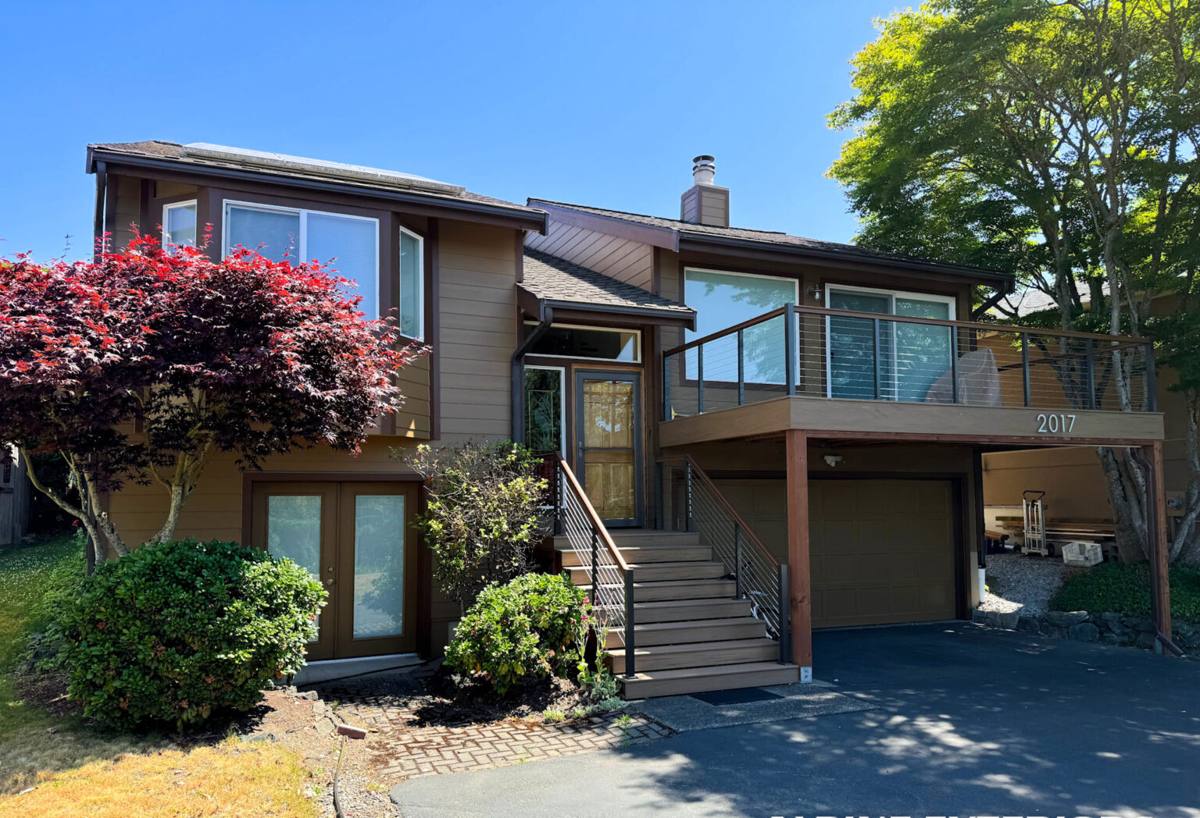
Custom doesn't necessarily mean an unusual shape or an odd-sized opening, though we handle those too. Most of the custom work we do in Fairhaven is about getting a window built to the exact rough opening of an older home rather than forcing a standard retrofit size to fit. Older Whatcom County homes, especially anything built before modern window sizing standards became common, often have openings that don't match today's stock dimensions. Forcing a mismatch leads to shimming, gaps, and extra caulk trying to do a job it was never meant to do.
Common reasons a Fairhaven job goes custom
- Original wood-frame openings that are slightly out of square after decades of settling
- Salt-air corrosion that's eaten into old aluminum frames and their surrounding trim
- Wall assemblies where the water-resistive barrier needs to be re-integrated with new flashing, not just patched around it
- Homeowners upgrading from single-pane or early dual-pane units to better-performing glass without changing the exterior look
- Additions or renovated spaces where the opening size simply isn't a stock dimension
Why Salt Air Changes the Hardware Conversation
Proximity to the bay means airborne salt settles on every exterior surface, including window hardware, cladding fasteners, and frame components. Bare or lower-grade aluminum hardware corrodes faster here than it would ten or fifteen miles inland. This isn't a defect in the product — it's just physics for anything exposed to salt air over years. Our standard for Fairhaven installs is to spec corrosion-resistant hardware and fasteners rated for coastal exposure, and to avoid mixing dissimilar metals at contact points where galvanic corrosion can start.
We also pay attention to finish coatings on frames. A powder-coat or factory finish rated for coastal or marine environments holds up noticeably longer than a standard interior-grade finish pushed into an exterior coastal application. It costs a little more up front. It saves a repaint or a hardware replacement down the road.
Flashing and Water Management: The Part Nobody Sees
Most window failures we get called out for in this area aren't glass failures — they're water intrusion around the frame. Driving rain off the bay doesn't fall straight down; it hits siding and window trim at an angle, and it will find any gap in the flashing sequence. A correct installation builds a drainage path so that any water that does get behind the cladding is directed back out, not trapped against sheathing.
What a proper flashing sequence includes
- Sill pan flashing installed before the window ever goes in, sloped to shed water outward
- Weather-resistive barrier integrated with the flashing in the correct shingle-lap order — top layer over the one below, never reversed
- Head flashing with a drip edge that projects past the face of the trim
- Sealant used only where it's supposed to carry the water load — never as a substitute for proper flashing
- A visible, unobstructed weep path at the sill so any incidental water can exit
We've opened up enough old trim in this neighborhood to know that a lot of past problems trace back to sealant being used to "fix" a flashing shortcut. Caulk is a backup layer, not the primary water management system. On a wall that catches direct, wind-driven rain, that distinction matters more than it does on a sheltered interior lot.
Moss Season and What It Does to Window Trim
Whatcom County's damp season stretches long, and shaded or north-facing walls in Fairhaven can stay wet for extended periods without much direct sun to dry them out. Moss and algae growth on trim and sills isn't just cosmetic — sustained moisture against wood trim accelerates rot, and moss holding water against a sill joint keeps that joint wet far longer than it should be.
For Fairhaven jobs we favor trim materials and sill details that don't give moss much to hold onto, and we make sure sills are pitched to shed water rather than pool it. Where the original construction has a flat or nearly flat sill, that's one of the first things we'll flag, because it's a slow, steady contributor to rot even when the window unit itself is sound.
Choosing Frame Material for This Exposure
| Frame Material | How It Handles Salt Air & Rain | Maintenance | Typical Fit |
|---|---|---|---|
| Vinyl | Doesn't corrode; performs well in coastal humidity | Low — occasional cleaning | Good value, wide color range, solid standard choice |
| Fiberglass | Very stable in temperature swings and moisture; strong coastal track record | Low | Best for larger custom openings, tight tolerances |
| Aluminum-clad wood | Attractive interior wood look, but exterior aluminum needs a coastal-rated finish | Moderate — finish and seals need periodic check | Good where a wood interior look is wanted |
| Bare aluminum | More prone to corrosion in salt air without a marine-grade finish | Higher — hardware and finish need monitoring | We recommend upgraded finish specs for this area |
None of these materials is automatically wrong for Fairhaven. The difference is in the spec — finish grade, hardware grade, and glazing seal quality — not just the base material name on the brochure.
Glass and Glazing Choices That Earn Their Keep
In a marine climate, the glazing seal is doing real work every day, not just in a once-a-decade storm. We look at a few things closely on every Fairhaven job:
- Warm-edge spacer systems that resist seal failure under repeated temperature and humidity cycling
- Low-E coatings suited to a marine climate — helping with both heat retention through wet winters and glare control
- Dual- or triple-pane glazing depending on the wall's exposure and the room's use
- Manufacturer warranty terms that specifically address seal failure, not just glass breakage
A failed glazing seal shows up as fogging between the panes — and once that happens, the unit needs replacing, not repairing. Choosing a well-supported spacer and seal system up front is cheaper than dealing with foggy glass in year six or seven.
Our Process for a Fairhaven Custom Window Job
1. On-site assessment
We look at the actual wall assembly, not just the window opening — existing flashing condition, siding type, sill pitch, and any signs of past water intrusion around the frame.
2. Measuring and specifying
We take precise measurements of the opening as it exists, not as a stock size assumes it should be, and we spec frame material, glazing, and hardware to that wall's specific exposure.
3. Prep and removal
Old units come out carefully so we can inspect the sheathing and framing behind them before anything new goes in. If there's rot or prior water damage, we address it before installing, not after.
4. Flashing and installation
Sill pan, weather barrier integration, the window itself, then head flashing — in that order, every time. This is the sequence that actually determines whether the job holds up.
5. Trim, sealing, and finish
Exterior trim is finished and sealed at the points designed to carry a sealant bead, with attention to sill pitch so water sheds rather than sits.
6. Walkthrough
We go over what was done, what to expect from the new windows, and any simple maintenance that helps them perform over the long run in this climate.
Why a Crew That Already Works Fairhaven Matters
A contractor who mostly works dry, sheltered lots inland can still do fine carpentry — but they may not have a routine for coastal-grade hardware, or a habit of checking sill pitch on every job, because it hasn't come up as often. Working repeatedly in Fairhaven and along Ferndale's western edge means we've built those checks into the standard process rather than treating them as special requests. We know what this exposure does to a window over five, ten, and twenty years, and we spec accordingly from the first estimate.
Signs it's time to look at replacement rather than repair
- Fogging or condensation trapped between the panes
- Soft or discolored trim or sill material at the base of the window
- Hardware that's stiff, corroded, or won't latch properly
- Persistent moss or algae buildup on the sill that keeps returning after cleaning
- Drafts or noticeable temperature difference near the window on windy days
- Visible gaps between the frame and the surrounding trim
Cost Factors Worth Understanding
Pricing on custom window work varies by opening size, frame material, glazing package, and how much flashing or trim repair the existing wall needs. Rather than quote a number that won't reflect your actual wall condition, we walk the job in person and give you a real range based on what we find — including whether we uncover hidden water damage once the old unit comes out, which is common on older Fairhaven-area homes.
If you're weighing options for windows on a Fairhaven property, we're glad to take a look and give you a straightforward, no-pressure estimate — just fill out the form below and we'll get in touch.