 Ferndale Siding
 Windows Built for Where the Water Meets the Land
Homes around Lummi Nation sit close enough to Bellingham Bay and the Salish Sea that the weather off the water is part of daily life, not an occasional event. Salt-laden air moves inland on a regular basis, driving rain comes in sideways off the water more often than it falls straight down, and the long gray stretch of a Pacific Northwest winter keeps everything damp for months at a time. Windows in this setting aren't just glass and trim — they're one of the main barriers standing between that weather and the inside of your house.
A window that would hold up fine in a drier inland part of Whatcom County can fail years early here. We've replaced windows on Lummi Nation homes that were barely a decade old but already had swollen sashes, foggy double-pane glass, and frames going soft at the corners. The window itself wasn't necessarily a bad product — it just wasn't installed or specified for this kind of exposure.
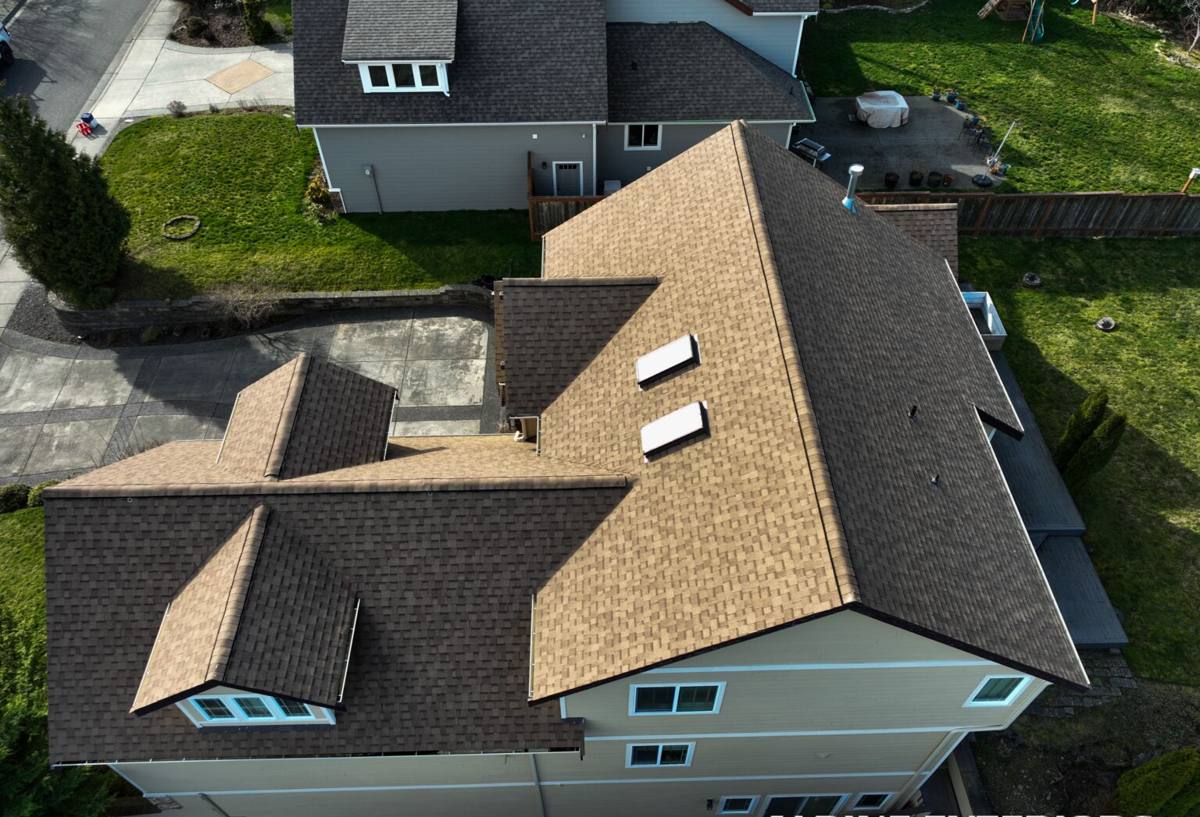
What Salt Air, Rain, and Moss Actually Do to a Window
Understanding the failure pattern helps explain why the details matter so much here.
Salt Air
Airborne salt is corrosive to exposed metal hardware — hinges, cranks, balance springs, and screws. On aluminum-clad or metal-frame windows, salt exposure can also pit and dull finishes over time. It's a slow process, but it's constant, and it accelerates on the sides of a house that face open water or prevailing wind.
Driving Rain
Wind-driven rain doesn't just land on a window, it gets pushed against and into any gap in the flashing or sealant. A window that's properly flashed sheds that water. A window that's caulked-and-hoped-for eventually lets moisture behind the trim, where it soaks into sheathing and framing you can't see until the damage shows up as soft siding or a stained interior sill.
Moss and Prolonged Dampness
Whatcom County's moss season isn't limited to roofs. Moss and algae will colonize any shaded, damp surface, including window sills, sash tracks, and the bottom of frames that don't drain well. Beyond the cosmetic issue, trapped moisture under moss growth keeps wood trim wet far longer than it should be, which is exactly the condition that leads to rot.
What a Correct Custom Window Job Involves
"Custom" windows means the unit is built to fit your specific rough opening and design intent, rather than pulled off a shelf in a standard size. That's common in older homes in this area where openings were framed by hand and rarely match modern standard dimensions exactly. Doing it right involves several things working together, not just the window itself:
- Accurate field measurement of the actual opening, not the nominal size on the old window's label
- Removal of the old unit down to the rough framing so hidden rot or moisture damage can be found and fixed before it's covered back up
- Correct flashing sequence — sill pan, side flashing, and head flashing installed in the right order so water sheds outward and down, never inward
- A quality sealant and backer rod set at the right joints, not sealant used as a substitute for proper flashing
- Insulation and air-sealing around the frame perimeter, which affects both comfort and condensation resistance
- Interior and exterior trim work that matches the home instead of looking like an obvious patch
Skipping the flashing step and relying on caulk alone is one of the most common shortcuts we see when we're called out to fix a window that's leaking or rotting despite being only a few years old. It looks fine at installation and fails quietly over a couple of wet seasons.
Choosing a Frame Material for Near-Water Exposure
There's no single "best" window material for every situation, but some tradeoffs matter more here than they would further inland.
| Frame Material | How It Handles This Climate | What to Watch |
|---|---|---|
| Vinyl | Won't corrode from salt air, low maintenance, good moisture resistance | Quality varies widely between manufacturers; look for multi-chambered frames and reinforced corners |
| Fiberglass | Very stable in temperature swings and damp conditions, holds paint well if color changes are wanted later | Higher upfront cost than vinyl |
| Wood (unclad) | Classic look for older or historic-style homes | Needs consistent maintenance in this rain and moss exposure or it will show wear faster than the other two |
| Wood-clad (aluminum or vinyl exterior) | Wood interior look with a weather-resistant exterior shell | Cladding and flashing at the joint have to be detailed correctly or moisture can get trapped between layers |
For most homes near Lummi Nation, we lean toward vinyl or fiberglass for straightforward replacements because they shrug off salt air and moisture with the least ongoing maintenance. Where a home's character calls for a wood look, wood-clad is usually the better long-term choice over solid wood, simply because it takes less upkeep to keep the exterior weather-tight.
Our Process, Start to Finish
1. On-Site Assessment
We look at more than the window itself — the surrounding siding, trim condition, and any signs of past moisture intrusion. On a coastal-exposed home, this tells us a lot about what we'll find once the old window comes out.
2. Measurement and Product Selection
We measure the actual opening and talk through frame material, glazing options, and style based on the home's exposure and your budget. This is also when we flag any openings that may need minor framing repair.
3. Removal and Inspection
Old windows come out carefully so we can inspect the sheathing and framing underneath. Any soft wood or hidden moisture damage gets repaired before anything new goes in — installing a new window over compromised framing just hides the problem.
4. Flashing and Installation
New sill pan flashing, side flashing, and head flashing go in per manufacturer specification, followed by the window itself, shimmed level and plumb, then insulated and air-sealed around the perimeter.
5. Trim and Finish
Interior and exterior trim is finished to match the home, and all sealant joints are done last, as a backup layer rather than the primary defense.
6. Walkthrough
We walk each window with you — operation, locks, and any care instructions specific to the material you chose.
What Affects the Cost
Custom window pricing depends on a mix of factors, and it's worth understanding them before you start comparing quotes.
| Factor | Why It Matters |
|---|---|
| Opening size and non-standard dimensions | Older homes often need true custom sizing rather than a stock unit, which affects both material and labor cost |
| Frame material | Vinyl is typically the most affordable, fiberglass and wood-clad cost more upfront but often mean less maintenance |
| Number of windows replaced at once | Doing several openings in one visit usually costs less per window than one-off replacements over time |
| Hidden repairs found at removal | Rot or moisture damage behind an old window adds labor and material that can't be quoted until the old unit is out |
| Glazing options | Low-E coatings and gas-filled panes add cost but improve comfort and reduce condensation risk in a damp climate |
Maintaining Windows in This Climate
Even the right window installed correctly still needs occasional attention in an environment this damp. A short seasonal routine goes a long way:
- Rinse salt residue off exterior frames and hardware a couple of times a year, especially on sides facing open water
- Keep sash tracks and weep holes clear of moss, algae, and debris so water can drain as designed
- Check exterior caulk lines each fall before the wet season sets in and touch up any cracked or separated sealant
- Operate locks and cranks periodically so hardware doesn't seize from disuse and moisture
- Watch for condensation between panes, a sign the seal has failed on a double- or triple-pane unit
- Look for soft trim or paint bubbling at the corners, an early sign moisture is getting behind the frame
Why Local Experience with This Exact Exposure Matters
A crew that regularly works on homes around Lummi Nation and the rest of Ferndale's waterfront-adjacent areas has already seen how salt air, driving rain, and moss show up on real houses in this specific setting, not just in a manufacturer's general climate chart. That experience shapes decisions a generic install crew might not think to make — which side of the house needs extra attention to flashing detail, which frame materials hold up best against this particular combination of salt and moisture, and where hidden rot tends to hide on homes with this kind of exposure history.
It also means we're not learning on your house. Coastal window installation has a narrower margin for error than inland work, because a small flashing mistake that might go unnoticed for years elsewhere can show up as a moisture problem within a single wet season here.
Signs It's Time to Replace, Not Repair
Not every window issue means full replacement, but certain signs point that direction:
- Fogging or moisture between panes that doesn't clear — the seal has failed and can't be restored
- Wood trim or sill that's soft, spongy, or visibly rotted
- Windows that are difficult to open, close, or lock, especially if this has worsened over a season or two
- Visible daylight or a noticeable draft around the frame when closed
- Frames that have warped, bowed, or no longer sit flush against the wall
If you're only seeing one or two of these signs on an otherwise sound window, a repair may be enough. If several are showing up together, especially with any sign of moisture behind the trim, replacement is usually the more cost-effective long-term move.
If you're weighing a window replacement or repair on a Lummi Nation area home, we're happy to take a look and talk through honest options for your specific exposure and budget. Use the form below to request a free, no-pressure estimate.