 Ferndale Siding
 Windows Built for Life on the Water at Sandy Point
Sandy Point sits right up against the Strait of Georgia, and that location shapes what a window has to survive there. Homes here take a steadier beating from wind-driven salt spray, near-constant winter rain, and the shade-and-moisture combination that keeps moss and algae going most of the year. A window that would be perfectly fine a few miles inland in Ferndale can fail early at Sandy Point if it wasn't selected, flashed, and sealed with that exposure in mind. We've replaced and installed windows for homeowners in this neighborhood for years, and this page covers what actually matters for a custom window job here — not a generic rundown of window styles.
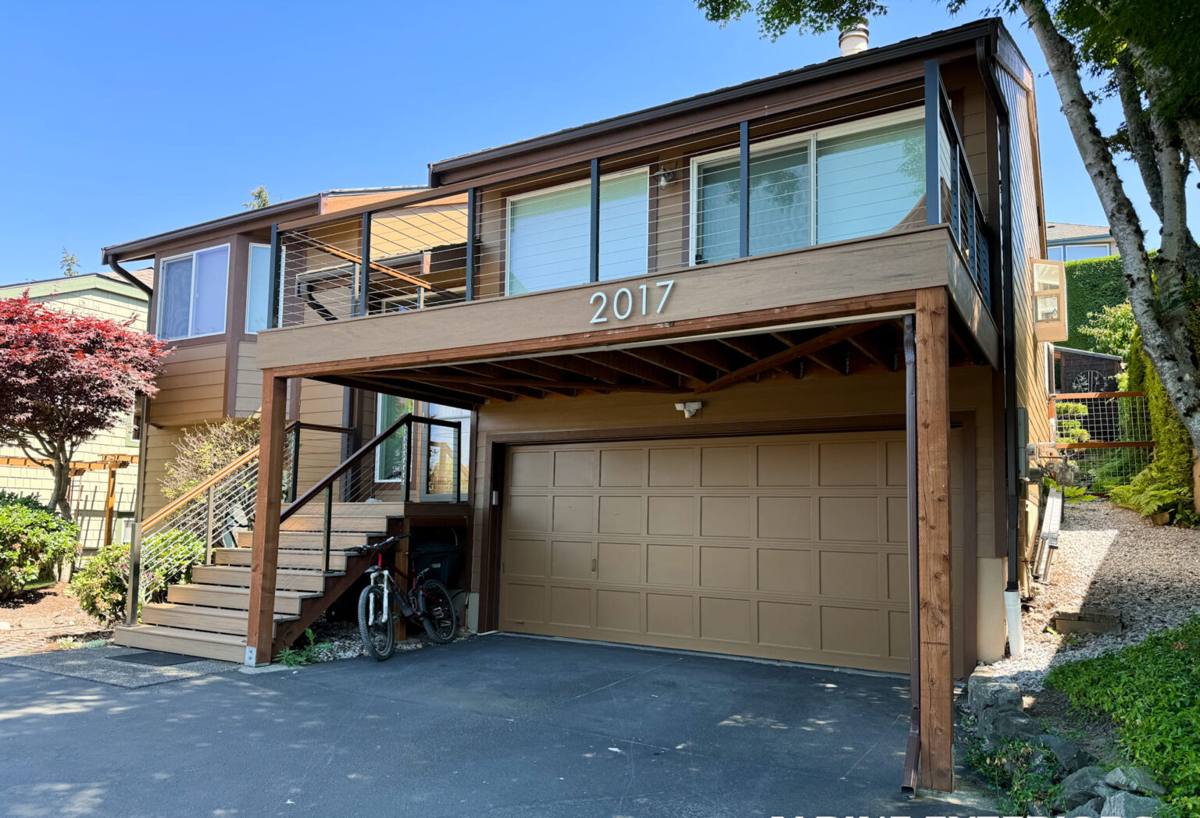
Why "Custom" Matters More on the Water
Custom windows aren't about fancy shapes for their own sake. At Sandy Point, "custom" usually means matching a window to a house that doesn't fit stock sizing or standard installation methods — and that's common in this part of Whatcom County.
Older beach cottages and additions
Many Sandy Point homes started as smaller beach cottages that were added onto over the decades. Rough openings are often out of square, framed to sizes that predate today's manufacturer standard dimensions, or altered by a prior remodel. Custom sizing (or careful field measurement and shimming for a near-standard size) avoids the gaps, forced fits, and callback leaks that come from jamming a stock window into an opening it wasn't made for.
Waterfront exposure and orientation
Homes facing the water directly take the brunt of wind-driven rain and salt spray on that elevation, while the landward side of the same house may see almost none of it. A correct custom job treats each elevation differently where it makes sense — better glass packages, sealants, and flashing details on the exposed side, rather than a one-size answer for the whole house.
Low, close-to-grade sites
A lot of lots in this area sit low and close to the water or to canal-front grade. Sill height, drainage path, and how water is directed away from the wall assembly matter more here than on a typical inland lot, and that affects how a window opening should be built out and flashed.
What the Salt Air and Rain Actually Do to a Window
It helps to understand the specific failure modes we're designing against, rather than treating "coastal" as a vague label.
- Salt-laden air corrodes exposed metal — cheap or unprotected hardware, screws, and some aluminum components pit and corrode faster near the water than they would inland.
- Driving rain finds any gap in the flashing — wind off the water pushes rain sideways and even slightly upward under trim, so flashing has to be built to shed water outward at every lap, not just sit there as a barrier.
- Moss and algae hold moisture against wood and trim — Whatcom County's long wet season lets moss establish on north-facing and shaded trim, and that moss holds water against the surface far longer than open air would, accelerating rot in unprotected wood.
- UV and salt together degrade some sealants and finishes faster — a caulk or coating rated for a mild inland climate can chalk, crack, or lose adhesion sooner in this environment.
None of this means windows can't last decades at Sandy Point. It means the product choice and the installation details have to account for it up front, because retrofitting a fix after water has gotten behind the trim is a much bigger job than doing it right the first time.
Frame Material: What Holds Up Near the Water
There's no single "best" window material for every house — it depends on budget, the house's style, and how exposed that particular wall is. Here's how the common options actually perform in a salt-air, high-rain setting like Sandy Point.
| Material | Salt air / moisture behavior | Maintenance | Good fit for |
|---|---|---|---|
| Vinyl | Won't corrode or rot; performs well in salt air with quality hardware | Low — occasional cleaning | Most Sandy Point homes, value-focused replacements |
| Fiberglass | Very stable in temperature and moisture swings; strong resistance to coastal weathering | Low | Exposed water-facing elevations, long-term durability priority |
| Aluminum-clad wood | Good if cladding and flashing detail are done correctly; interior wood needs protection from any moisture intrusion | Moderate — depends on install quality | Homes wanting a wood interior look with some coastal resistance |
| Solid wood | Most vulnerable to moss, rot, and salt exposure without diligent upkeep | High — regular painting/sealing | Sheltered elevations, historic-look priorities where upkeep is planned |
Our standard for Sandy Point jobs is straightforward: on the elevations that take direct wind and spray off the water, we steer homeowners toward vinyl or fiberglass and away from bare or lightly protected wood, not because wood is a bad product, but because it demands a level of upkeep that most owners don't want to keep up with on a wall that's getting hit by salt spray several months a year. On sheltered sides of the house, there's more flexibility.
Glass and Hardware Choices That Matter Here
Glass packages
Double-pane, low-E glass is the baseline we recommend for this area — it manages the temperature swings and condensation risk that come with the region's damp, cool climate. For water-facing rooms, argon-filled units and a slightly heavier glass spec also help cut down on the wind noise that comes with an exposed waterfront lot.
Hardware and fasteners
Standard steel fasteners and hinges corrode faster in salt air. We spec stainless steel or otherwise corrosion-resistant hardware on exterior components for Sandy Point installs, which costs a bit more up front but avoids the sticking locks, streaking, and pitted hardware that show up within a few years when standard-grade parts are used this close to the water.
Weatherstripping and seals
Seal quality matters more here than in a drier climate, both for keeping wind-driven rain out and for keeping the window operating smoothly as it swells and contracts through wet winters and drier summers.
Installation Details We Won't Skip
Most window failures we get called out to fix in this area aren't the window itself — they're the flashing and sealing around it. Here's what a correct install includes on a Sandy Point home:
- Remove and inspect the existing opening for hidden rot or moisture damage before setting the new window — this is where a lot of long-term problems get caught early.
- Install a proper sill pan flashing so any water that does get past the window sheds outward, not into the wall cavity.
- Lap house wrap and flashing tape in the correct shingle-style order (bottom to top) so water is always directed downward and outward, never trapped behind a layer.
- Use sealants and tapes rated for the temperature and moisture range this area sees, applied to manufacturer spec rather than just "caulked around the edge."
- Shim and square the window properly in out-of-plumb older openings so it operates correctly and seals evenly on all four sides.
- Finish exterior trim with a detail that sheds water and doesn't create a flat ledge where moss and debris can sit and hold moisture.
Our Process for a Sandy Point Job
1. Site visit and assessment
We look at the actual exposure on each elevation of your home, check the condition of the existing openings, and note anything specific to your lot — how close you are to the water, how much shade and moss buildup the trim shows, and whether prior water intrusion has affected the framing.
2. Product recommendation and quote
We walk through material and glass options with the trade-offs laid out honestly — what performs best where you're most exposed, and where you have room to prioritize budget or a different look. You get a written quote with no pressure to decide on the spot.
3. Precise measurement
Because so many openings in this area are non-standard, we field-measure carefully rather than relying on assumed sizes, so the window fits the opening you actually have.
4. Installation with full flashing and sealing detail
Every window goes in with the flashing, house wrap integration, and sealing steps above — not a shortcut version, regardless of how the opening looks going in.
5. Cleanup and walkthrough
We clean up job debris and walk the finished work with you before we consider the job done.
Signs Your Sandy Point Windows Need Attention
A quick self-check for homeowners in this neighborhood:
- Fogging or moisture between panes — the seal has failed and the insulating gas is gone.
- Soft or discolored trim or sill wood, especially on the water-facing side or anywhere moss has been sitting.
- Drafts or a noticeable temperature difference near the window on windy days.
- Difficulty opening, closing, or locking — often a sign of frame swelling from moisture intrusion.
- Visible corrosion or staining on hardware, hinges, or fasteners.
- Paint or finish that's peeling or bubbling specifically around the window, which usually points to trapped moisture rather than just age.
What Affects Cost
We don't publish flat pricing because every house and opening is different, but these are the factors that move the number most for a Sandy Point job:
| Factor | Why it matters |
|---|---|
| Window count and size | Larger openings and more units scale material and labor directly |
| Frame material chosen | Vinyl is typically the most budget-friendly; fiberglass and clad-wood cost more up front |
| Condition of existing openings | Rot repair or reframing adds labor beyond a straightforward swap |
| Elevation exposure | Water-facing sides may warrant upgraded flashing detail or glass packages |
| Custom sizing or shapes | Non-standard dimensions or shapes cost more than stock sizing |
| Access and site conditions | Second-story or hard-to-access openings add labor time |
Rough ranges vary widely by these factors — a straightforward vinyl replacement in an existing opening runs well below a full custom fiberglass install with reframing and upgraded flashing. We'll give you real numbers for your specific house during the estimate, not a generic figure that doesn't apply to your situation.
Why It Matters to Hire a Crew That Already Works This Neighborhood
Sandy Point isn't a typical suburban lot, and a crew that mostly works inland Whatcom County jobs may not think through the flashing and material decisions the way they need to be thought through here. We already know what this exposure does to a window installation over time, because we've gone back and diagnosed the failures on homes where it wasn't accounted for. That experience shows up in small decisions — the flashing lap order, the hardware spec, which elevations get the upgraded glass package — that you won't see on the surface but that determine whether the windows are still performing well in fifteen years or leaking and corroding in five.
If you're planning a window replacement or a custom install for a Sandy Point home, we're glad to come take a look and give you a straightforward, no-pressure estimate. Fill out the form below and we'll get in touch to set up a time to walk the property with you.