 Ferndale Siding
 Windows Built for What Fairhaven's Coastline Throws at Them
Homes near Fairhaven sit close enough to the water that windows take a different kind of beating than they would a few miles inland. Salt-laden air works into hardware and finishes, wind-driven rain finds its way past worn seals, and the long gray stretch of moss season keeps everything around the window opening damp for weeks at a time. A window that would hold up fine in a drier part of Whatcom County can fail early here if it wasn't installed with this exposure in mind.
This page is about one job, done right, in this specific area: replacing windows on homes exposed to Fairhaven's coastal conditions. Not a general overview of window replacement — the actual considerations that change when your house sits in salt air and near-constant moisture for a good chunk of the year.
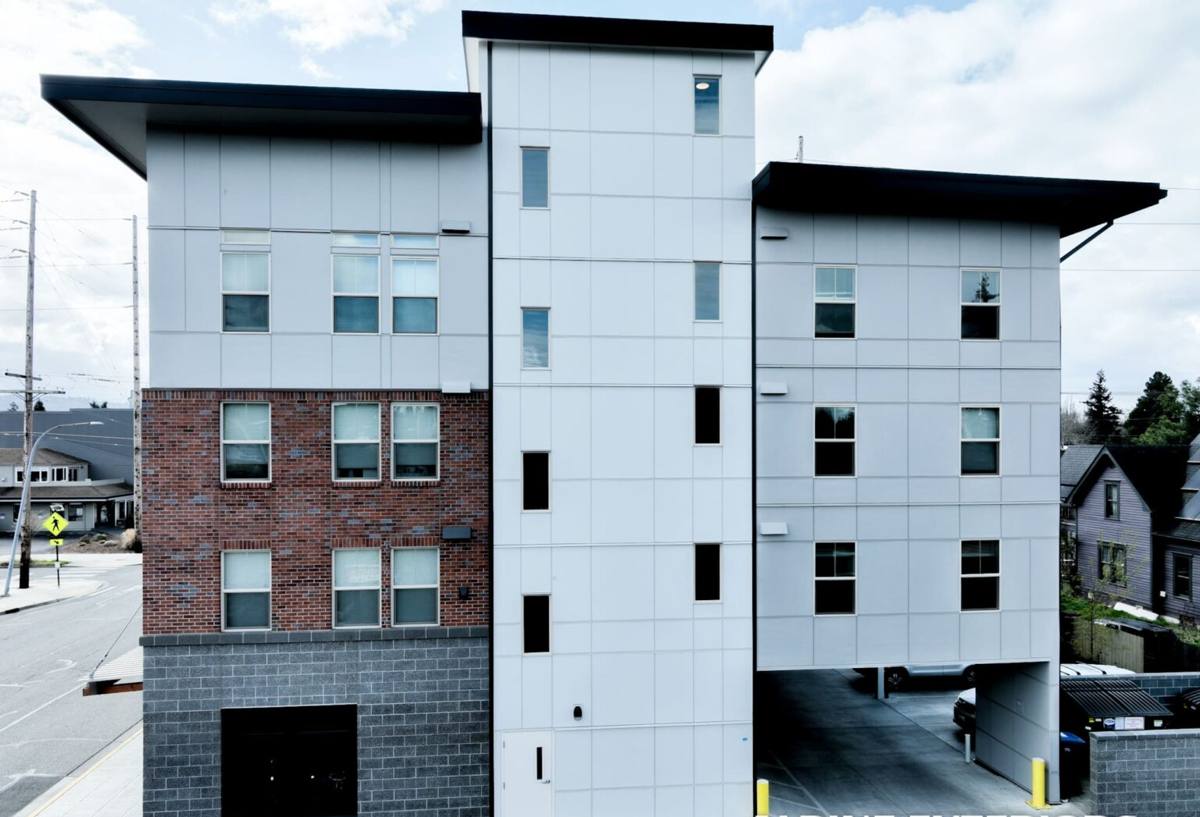
What Salt Air and Driving Rain Actually Do to a Window Over Time
It helps to understand the failure pattern before you understand the fix. Coastal exposure doesn't usually kill a window all at once — it wears down the parts that keep water and air where they belong.
- Hardware corrosion: Locks, hinges, and balance mechanisms exposed to salt-carrying air corrode faster than the same parts a few miles inland. Once a lock or balance seizes or pits, the sash stops sealing tight even if the glass and frame look fine.
- Sealant and gasket fatigue: Rubber and vinyl seals harden and shrink with repeated wet-dry cycling. Driving rain finds the first weak point and pushes water past it — often at the bottom corners, where water collects.
- Wood rot at the sill and jamb: If the window isn't wood-clad with a durable exterior shell, exposed wood trim and sills near the water take on moisture and stay damp longer during moss season, when sun exposure is limited and things simply don't dry out.
- Condensation between panes: A failed seal on an insulated glass unit lets moisture in between the panes. You'll see permanent fogging or a milky ring around the edge of the glass — that's a sign the unit itself is done, not something a new bead of caulk will fix.
None of this means windows near the water are a bad investment. It means the install details — flashing, sealant choice, hardware grade — matter more here than they do in a drier, more sheltered spot.
Signs a Fairhaven-Area Home Needs Window Replacement
Homeowners in this area usually notice one or more of these before they call:
- Drafts or a cold line of air felt near the frame on windy, rainy days
- Visible corrosion or stiffness in locks, cranks, or hardware
- Soft or discolored wood at the sill, especially on the side of the house that takes the worst weather
- Fogging or moisture trapped between panes that won't clear
- Paint or finish failing faster around the window than on the rest of the siding
- Difficulty opening or latching a window that used to operate smoothly
Any one of these on its own might just need a repair. Several at once, or a window that's original to an older home, usually means the frame and seal system have reached the end of their useful life.
What a Correct Window Replacement Involves Here
The window unit itself is only part of the job. In this climate, how it's installed determines whether it lasts fifteen years or thirty.
Full-Frame vs. Insert Replacement
An insert (or "pocket") replacement fits a new window inside the existing frame and is faster and less invasive — a reasonable option when the existing frame is still sound and dry. A full-frame replacement removes the old frame down to the rough opening, which lets us inspect and address any hidden rot or water damage before the new window goes in. On homes with real coastal exposure, we lean toward checking the framing carefully rather than assuming it's fine, since hidden moisture is exactly the kind of problem that gets worse quietly behind a wall.
Flashing and Moisture Management
This is the part that actually keeps water out, and it's also the part that's easiest to do poorly and impossible to inspect once the trim is back on. A correct install means:
- Properly lapped flashing tape at the sill, jambs, and head — installed in the right order so water sheds down and out, never in
- A sloped sill pan so any water that does get past the window drains back outside instead of pooling
- Sealant rated for the exposure, applied at the right joints — and left open where it needs to be, since sealing every gap can trap moisture instead of releasing it
- Housewrap or weather-resistive barrier integrated with the flashing, not just caulked over as an afterthought
Materials That Hold Up in This Climate
Quality vinyl and fiberglass windows with marine-grade or corrosion-resistant hardware are a sound, practical choice for coastal exposure — they don't rot, and good hardware options resist salt-air corrosion far better than lower-grade fittings. Wood-frame windows can look great but demand more upkeep near the water; if a homeowner wants a wood interior look, we point toward wood-clad units with a durable exterior shell rather than exposed exterior wood, simply because the maintenance burden of bare wood in this exposure is real and ongoing. We'll walk through the trade-offs honestly rather than push whatever's easiest to install.
Material and Cost-Factor Comparison
| Factor | Vinyl | Fiberglass | Wood-Clad |
|---|---|---|---|
| Coastal corrosion resistance | Good (frame itself won't corrode; check hardware grade) | Very good — stable, low expansion | Good on the clad exterior; interior wood still needs normal upkeep |
| Maintenance in moss season | Low — occasional rinse | Low | Moderate — check clad-to-wood transitions periodically |
| Upfront cost | Lowest | Mid to higher | Higher |
| Typical lifespan with correct install | 20-30 years | 30+ years | 25-30+ years with upkeep |
| Best fit | Budget-conscious, straightforward openings | Larger openings, higher wind/rain exposure | Homeowners wanting a wood interior look |
These are general ranges to help frame the conversation, not a quote — actual pricing depends on window size, count, access, and whether the job is insert or full-frame.
Energy Performance in a Marine Climate
Whatcom County's marine climate means moderate temperatures but near-constant humidity and wind-driven moisture for much of the year. For window performance, that puts the emphasis less on extreme insulation values and more on:
- Low air infiltration ratings, since wind off the water drives air through any gap in the seal
- Double or triple glazing with a low-E coating to manage heat loss during the damp, overcast months
- Proper drainage so incidental moisture doesn't sit against the frame during the wettest stretches of the year
A window with a great energy rating on paper still underperforms if it's installed with poor flashing — the install quality and the product quality both have to be right.
Our Process for a Fairhaven-Area Window Replacement
- On-site assessment: We look at each window's exposure — which side of the house takes the worst weather — and check for hidden moisture at the sill and framing, not just the visible glass and hardware.
- Honest recommendation: Insert or full-frame, which material fits the budget and exposure, and where we'd push back on a choice that won't hold up here.
- Careful removal: Old units come out cleanly, and we inspect the rough opening before anything new goes in.
- Correct flashing and sealing: Sill pan, lapped tape, integrated weather barrier, and sealant applied where it belongs — not everywhere.
- Final check: Operation, lock engagement, and a visual seal check before we call the job done.
Checklist: What to Ask Before Hiring a Window Contractor Near the Water
- Do they explain flashing and sill-pan details, or just talk about the window brand?
- Will they inspect the rough opening for hidden rot before installing, especially on a full-frame job?
- Do they recommend hardware grades suited to salt air, or just the manufacturer's standard kit?
- Are they licensed and insured to work in Washington, and willing to put warranty terms in writing?
- Have they worked on homes with similar coastal exposure, or mostly inland jobs?
Why a Crew That Already Works Fairhaven Matters
Window replacement done right near the water isn't a different product — it's the same window installed with more attention to the details that actually matter in this exposure: flashing sequence, drainage, hardware grade, and material choice. A crew that regularly works homes in and around Ferndale and the Fairhaven area has already seen how salt air, driving rain, and a long moss season play out on real houses here, and builds the install around that instead of treating every job the same way regardless of location.
If your windows are drafty, corroded, fogged, or original to an older home near the water, we're happy to take a look. Reach out for a free, no-pressure estimate through the form below — we'll give you a straight assessment of what's going on and what it would take to fix it.