 Ferndale Siding
 Roofing in Kendall Comes With Its Own Set of Problems
Kendall sits inland from the water compared to a lot of Whatcom County, but the roofs out here still take a beating from the same weather pattern that hits the rest of the region: long stretches of wet weather, driving rain that comes in sideways during winter storms, and a moss season that seems to run longer every year. Add in the salt-laden air that moves inland off the Strait of Georgia and Bellingham Bay, and you've got a combination that wears down roofing materials faster than most homeowners expect.
This isn't a generic "we fix roofs" page. It's specifically about what roof repair looks like for homes in and around Kendall, why the standard fixes people try first often don't hold, and what an honest repair job actually involves.
What the Climate Actually Does to a Kendall Roof
Moss and Organic Growth
Whatcom County's wet, mild winters are close to ideal conditions for moss. Once spores take hold in a shaded valley or on a north-facing slope, moss spreads under shingle tabs, lifts them, and holds moisture against the roof deck long after the rest of the roof has dried out. Left alone, that trapped moisture leads to rot in the decking and, eventually, leaks that show up nowhere near where the moss actually was.
Driving Rain and Wind-Driven Water
Rain that falls straight down is manageable for almost any roof. Rain that comes in at an angle during a winter windstorm is a different problem — it finds its way under flashing, around chimneys, and through any gap in the underlayment that a calm-weather roof might never expose. This is where a lot of "mystery leaks" in Kendall homes actually originate.
Salt Air and Metal Fatigue
Salt-carrying air corrodes exposed metal components faster than an inland climate would — flashing, fasteners, gutter hardware, and vent boots all age quicker. Corroded fasteners back out of the roof deck over time, and a fastener that's backed out even a fraction of an inch is an opening for water.
Signs a Kendall Home Needs Roof Repair, Not Just a Watch-and-Wait
Most roof failures don't start as leaks — they start as small, easy-to-miss signs. Here's what we tell homeowners to look for between now and the next inspection:
- Dark streaking or green-black growth on north-facing slopes or areas that stay shaded most of the day
- Granules collecting in gutters or at downspout outlets — a sign the shingle surface is wearing thin
- Shingle edges that curl, lift, or look cupped instead of lying flat
- Soft spots underfoot when walking the roof, or sagging visible from the ground
- Water stains on interior ceilings, especially near chimneys, skylights, or valleys
- Daylight visible through the roof deck from inside an attic
- Rusted or lifted flashing around vents, chimneys, and roof-to-wall transitions
- Moss growth thick enough that you can't see the shingle surface underneath it
Any one of these on its own might not mean much. Two or three together, especially after a wet winter, is worth a professional look before it turns into a bigger repair.
What a Correct Roof Repair Actually Involves
A lot of roof "repairs" are really just patches — a bead of sealant over a visible crack, a shingle nailed back down without checking what's underneath it. That kind of fix can buy a little time, but it doesn't address why the failure happened in the first place, and in a climate like this one, the same spot usually fails again within a season or two.
A correct repair starts with figuring out the actual source of the problem, which is often not where the water shows up inside the house. Water travels along rafters and sheathing before it drips through a ceiling, so a leak stain in a bedroom might trace back to a flashing failure several feet away near a chimney or valley. We pull back the affected area, check the decking underneath for soft or rotted wood, and replace anything that's compromised — not just the shingle on top of it.
Flashing gets particular attention. Around chimneys, skylights, and roof-to-wall intersections, flashing is doing most of the work of keeping water out, and it's also the component most affected by the salt air common to this part of Whatcom County. If flashing is corroded or was installed with gaps, replacing it correctly is usually more important to the long-term fix than the shingles around it.
Common Roofing Materials on Kendall Homes: Repair Considerations
| Roofing Type | Common Repair Issues Locally | Repair Difficulty |
|---|---|---|
| Asphalt/composition shingle | Granule loss, curling, moss lifting tabs, nail pops | Moderate — most common, widely available materials |
| Cedar shake/shingle | Moss and moisture retention, splitting, slower drying in shaded areas | Higher — requires matching weathered wood and careful moisture management |
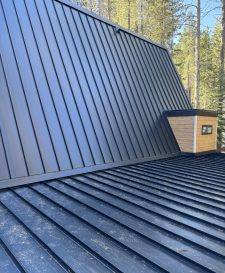
| Metal roofing | Fastener corrosion, seam sealant breakdown, panel expansion issues | Specialized — needs metal-specific repair techniques, not general roofing methods |
| Torch-down/flat roofing (additions, porches) | Membrane seam separation, ponding water near drains | Specialized — different repair approach than sloped roofing |
Cedar in particular deserves a note: it's a beautiful, traditional look for this region, but it holds moisture longer than composition shingle in shaded, moss-prone spots, which means it needs more consistent maintenance to perform well long-term here. We're upfront with homeowners about that maintenance commitment rather than downplaying it.
How We Approach a Roof Repair Call in Kendall
- Inspection first. We walk the roof and the attic when accessible, not just look from the ground. Interior attic checks catch moisture problems that aren't visible from outside yet.
- Trace the water, not just the symptom. We identify where water is actually entering, which is frequently upslope from where it shows up inside.
- Check the deck. Any area with a suspected leak gets checked for soft, delaminated, or rotted sheathing before new material goes down over it.
- Repair with materials matched to the existing roof wherever possible, so the repaired section weathers consistently with the rest of the roof instead of standing out or aging at a different rate.
- Address the cause, not just the leak — that might mean re-flashing a chimney, correcting ventilation that's contributing to moisture buildup, or clearing and treating moss that's been trapping water against the deck.
- Walk you through what we found, including anything we'd keep an eye on going forward, before we call the job done.
Moss Season: Prevention Between Repairs
Given how long moss season runs in this part of Washington, the best roof repair strategy includes preventing the next one. A few things go a long way:
- Keep overhanging branches trimmed back so roof sections get more sun and dry out faster after rain
- Clear moss and debris from valleys and gutters before it has time to establish and spread
- Address moss growth early — it's far easier to remove a light growth than to repair the decking damage from moss that's been trapping moisture for a season or more
- Keep gutters and downspouts clear so water isn't backing up under the lower courses of shingles
None of this replaces a proper repair once damage has occurred, but it does reduce how often you need one.
Repair vs. Replace: How to Think About It
Not every roof problem in Kendall calls for a full replacement, and not every roof is worth repairing indefinitely either. A few factors we weigh with homeowners:
| Factor | Leans Toward Repair | Leans Toward Replacement |
|---|---|---|
| Roof age | Under roughly two-thirds of expected material lifespan | Near or past expected lifespan for the material |
| Extent of damage | Isolated to one section, valley, or flashing point | Widespread across multiple slopes |
| Decking condition | Solid, no rot found during inspection | Rot or soft spots found in multiple areas |
| Repair history | First or infrequent repair | Repeated repairs to the same or nearby areas |
We give an honest read on which side of that line your roof falls on. A repair that's likely to fail again within a year or two isn't a good use of your money, and we'll tell you that directly rather than patching something that needs more.
Why It Matters That We Already Work in Kendall
Roof repair isn't a one-size-fits-all trade. A crew that mostly works drier inland climates can miss how aggressively moss establishes here, or underestimate how much wind-driven rain during a Whatcom County winter storm can push water sideways under improperly lapped materials. Working this specific area regularly means we know which failure points show up most often on local homes, how the seasonal weather pattern stresses different roofing materials, and what a repair needs to hold up through another wet season rather than just look fixed for a few months.
It also means straightforward logistics — someone who's already familiar with the area can typically get to an inspection faster and isn't guessing at conditions from a general description over the phone.
Get a Straight Answer About Your Roof
If you're dealing with a leak, visible moss, or just want a second opinion before winter weather rolls back in, we're happy to take a look. The estimate is free, there's no pressure to book anything on the spot, and you'll get a clear explanation of what we found and what it would take to fix it properly. Use the form below to get in touch and we'll get back to you to schedule a time.