 Ferndale Siding
 Roofing on the Lummi Nation: A Different Set of Demands Than Inland Whatcom County
Homes in and around the Lummi Nation sit close to Puget Sound, west of Ferndale, which puts them in one of the more demanding roofing environments in Whatcom County. It isn't just rain — every roof in this region deals with rain. It's the combination of salt-laden air off the Sound, wind-driven rain that comes in sideways instead of straight down, and a moss season that can run eight or nine months out of the year under the tree cover common to this area. A roof spec'd for a dry inland town doesn't hold up the same way out here, and a roof replacement done without accounting for these three things tends to show problems again within a few years, not a few decades.
This page is specifically about full roof replacement for homes in this community — what the local conditions actually do to a roof system, what a correct replacement includes, and why a crew that already works this area regularly does a better job than one seeing it for the first time.
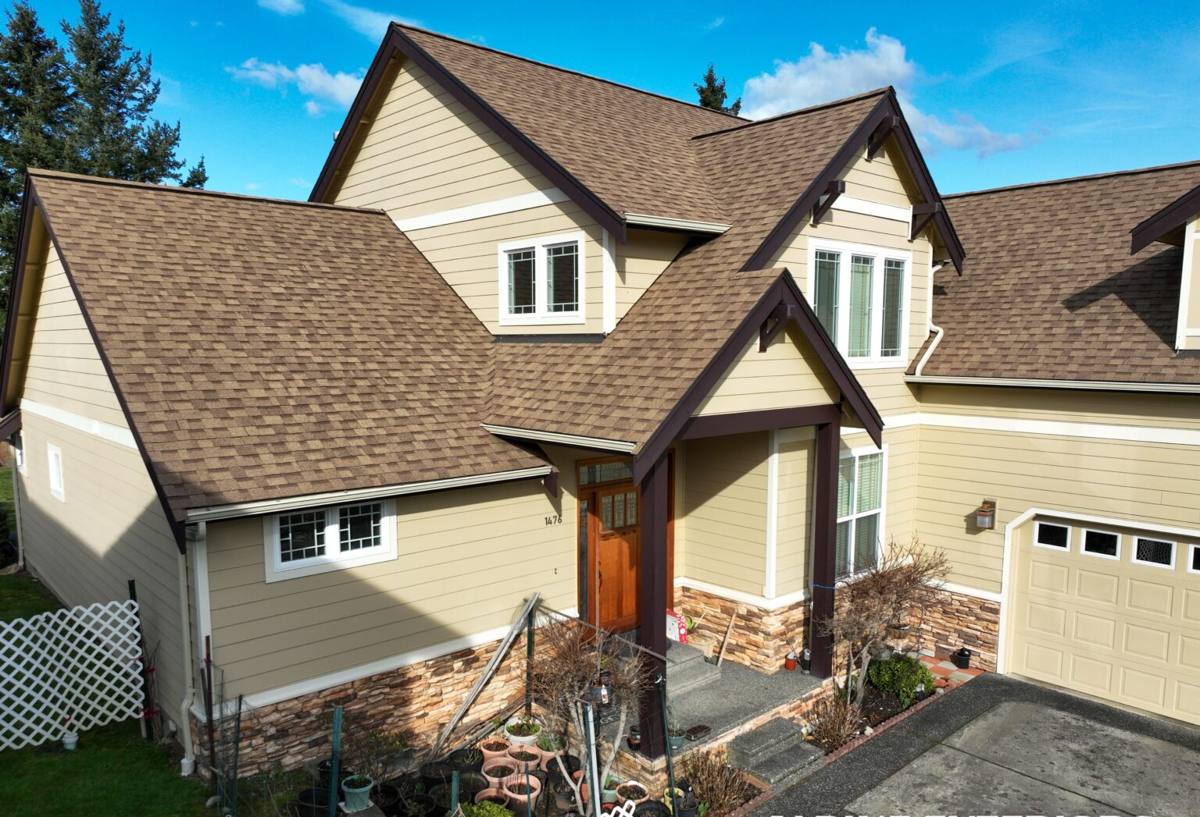
What Salt Air, Driving Rain, and Moss Actually Do to a Roof
Salt Air and Metal Components
Proximity to Puget Sound means airborne salt settles on every exposed surface, including your roof. Over time it accelerates corrosion on unprotected metal — cheap fasteners, bare flashing, and lower-grade drip edge all corrode faster here than they would fifteen or twenty miles inland. This is a materials decision, not a workmanship shortcut you can fix later: once corrosion starts under a shingle course, you're looking at leaks, not just cosmetic rust.
Driving Rain and Wind
Storms coming off the water frequently push rain at an angle instead of straight down. That matters because a roof built only to shed water vertically can still take on water at ridges, valleys, and wall intersections where wind-driven rain finds any gap in the underlayment or flashing. This is the single biggest reason roof replacements in this area need a genuinely watertight underlayment layer and properly lapped, sealed flashing — not just shingles nailed down correctly.
Moss and Shade
Many properties here have significant tree cover, which is good for privacy and shade but keeps roof surfaces damp and shaded for long stretches. Moss and algae take hold in exactly those conditions, and once moss gets under shingle tabs it lifts them, holds moisture against the roof deck, and shortens the life of the whole system. A roof replacement that doesn't address ventilation and doesn't use moss-resistant materials where it matters is setting the homeowner up for the same problem in a few years.
Signs a Lummi Nation Roof Needs Replacing, Not Just Patching
Not every roof problem here calls for a full replacement — sometimes a repair genuinely is the right call. But there's a point where patching becomes a waste of money because the underlying materials are past their service life. Signs worth taking seriously include:
- Granule loss heavy enough that you can see it collecting in gutters or at downspout outlets
- Shingles that are cupping, curling, or cracking across multiple sections of the roof, not just one spot
- Soft or spongy decking felt underfoot in the attic, especially near eaves or valleys
- Moss growth thick enough that it's lifting shingle edges rather than just sitting on the surface
- Rusted or visibly failing flashing around chimneys, skylights, or roof-to-wall transitions
- Daylight visible through the roof deck from inside the attic
- A roof that's already 20+ years old and has had more than one round of patch repairs
If you're seeing two or more of these, it's worth getting a straight answer on whether repair is still realistic, or whether you're better off putting that money toward a full replacement instead.
What a Correct Roof Replacement Involves Here
A full tear-off and replacement done right in this climate isn't just about the shingle brand on top. The layers underneath matter more here than in drier parts of the state.
Tear-Off and Deck Inspection
Old roofing comes off completely so the deck underneath can actually be inspected — not guessed at. Any rot or soft plywood from long-term moisture intrusion gets replaced before anything new goes down. Skipping this step is how a new roof ends up sitting on a compromised deck.
Underlayment and Ice-and-Water Protection
Given how much wind-driven rain this area sees, we treat a synthetic underlayment as the standard, not an upgrade, and we run self-adhered ice-and-water membrane at eaves, valleys, and any roof-to-wall intersection where wind-driven rain is most likely to find a way in.
Flashing
New flashing at every penetration — chimneys, vents, skylights — using corrosion-resistant materials appropriate for a marine-influenced climate. This is one of the areas where cutting corners doesn't show up as a problem for a year or two, then shows up as a ceiling stain.
Ventilation
Balanced intake and exhaust ventilation keeps the underside of the roof deck drier, which matters directly for moss and algae resistance and for the life of the shingles themselves. A roof that traps heat and moisture in the attic ages faster from the inside out.
Comparing Roofing Materials for This Climate
| Material | How It Handles This Climate | Trade-Offs |
|---|---|---|
| Architectural asphalt shingles | Good performance when paired with proper underlayment and moss-resistant granules; widely used and easy to match or repair later | Needs periodic moss/algae maintenance under heavy tree cover |
| Metal roofing | Sheds wind-driven rain well and resists moss buildup better than shingles | Higher upfront cost; fastener and flashing quality matters even more given salt air exposure |
| Wood shake/shingle | Traditional look but holds moisture longer in a wet, shaded climate | Higher maintenance burden and shorter realistic service life here than in a drier climate |
For most homes in this area, we steer homeowners toward architectural asphalt with algae-resistant granules or metal roofing, and we'll walk through the honest cost-versus-longevity trade-off for your specific roof rather than pushing one product across the board.
Our Process, Start to Finish
- Free on-site inspection — we walk the roof and the attic, not just look from the ground, and check for the deck damage, ventilation gaps, and flashing issues specific to this climate.
- Written estimate with material options — a clear breakdown of what's included, so you're comparing full scopes, not just bottom-line numbers.
- Scheduling around weather windows — tear-off and replacement need dry stretches; we plan around the forecast, not just the calendar.
- Tear-off, deck repair, underlayment, flashing, and installation — done in that order, with the deck actually inspected before anything covers it back up.
- Site cleanup — magnetic nail sweep and full debris removal before we consider the job finished.
- Final walkthrough — we go over the finished roof with you before we call it done.
Why a Crew That Already Works in Lummi Nation Matters
Roofing crews unfamiliar with this area sometimes underestimate what the combination of salt air, wind-driven rain, and heavy shade actually requires, because they're used to specs that work fine twenty miles inland. A crew that already does roof work in and around the Lummi Nation and greater Ferndale area has already seen which shingle lines hold up, which flashing details actually stop wind-driven leaks, and how much ventilation this tree cover really calls for.
There are also practical logistics that matter for any job in this community — access routes, scheduling around local conditions, and being straightforward about any coordination a project needs beyond what's typical inside city limits. A crew that's worked here before handles that as a normal part of the job instead of an afterthought that causes delays.
Questions Worth Asking Any Roofing Contractor Before You Hire
- Do you inspect the deck after tear-off, or just cover whatever's underneath?
- What underlayment and ice-and-water protection is included, not offered as an upsell?
- What's your plan for ventilation, not just shingles?
- Are you licensed and insured, and can you show it?
- Have you done roofs in this specific area before, and can you speak to what's different about it?
Cost Factors for Roof Replacement in This Area
| Factor | Why It Affects Price |
|---|---|
| Roof size and pitch | More square footage and steeper pitches mean more material and more labor time |
| Number of layers being removed | Tear-off of multiple old roofing layers adds disposal cost and labor |
| Deck condition | Rotted or soft decking found during tear-off needs replacement before new roofing goes down |
| Material choice | Asphalt, metal, and wood carry different material and installation costs |
| Flashing and penetrations | More chimneys, skylights, and vents mean more detail work and material |
| Access and tree cover | Difficult access or heavy overhead trees can add setup time and site protection needs |
We don't quote a number without seeing the roof, but these are the factors that actually move the price up or down — worth understanding before you compare estimates from different contractors.
After Replacement: Keeping Moss and Salt Damage From Coming Back
A correctly installed roof still benefits from basic upkeep in this climate. Keep gutters clear so water isn't backing up under the roof edge, especially during heavy fall rain. Trim back overhanging branches where reasonable to cut down on the shade and debris that feed moss growth. And have the roof looked at every couple of years rather than waiting for a visible leak — catching a small flashing or granule issue early is a lot cheaper than repairing water damage after the fact.
If your roof is showing wear, or you just want a straight opinion on whether repair or full replacement makes more sense for your home, we're happy to come take a look. The estimate is free, there's no pressure, and you'll get a clear answer either way — just fill out the form below to get started.