 Ferndale Siding
 Custom Decks Built for Lynden's Weather, Not Against It
Lynden sits inland from Ferndale, but it shares the same wet, gray stretch of the calendar that defines exterior work across Whatcom County. The difference between a deck that looks good for two seasons and one that holds up for twenty usually comes down to decisions made before the first board goes down — framing, fasteners, drainage, and material choice matched to how this area actually behaves through the year. We build decks in Lynden the same way we build them everywhere else we work in this region: assuming the wood, the ground, and the air around it will stay damp for months at a stretch, because they will.
A deck built to a generic national spec often struggles here. One built with Whatcom County's long rainy season, humidity, and moss pressure in mind holds its shape, its footing, and its finish far longer.
What Lynden Properties Actually Need From a Deck
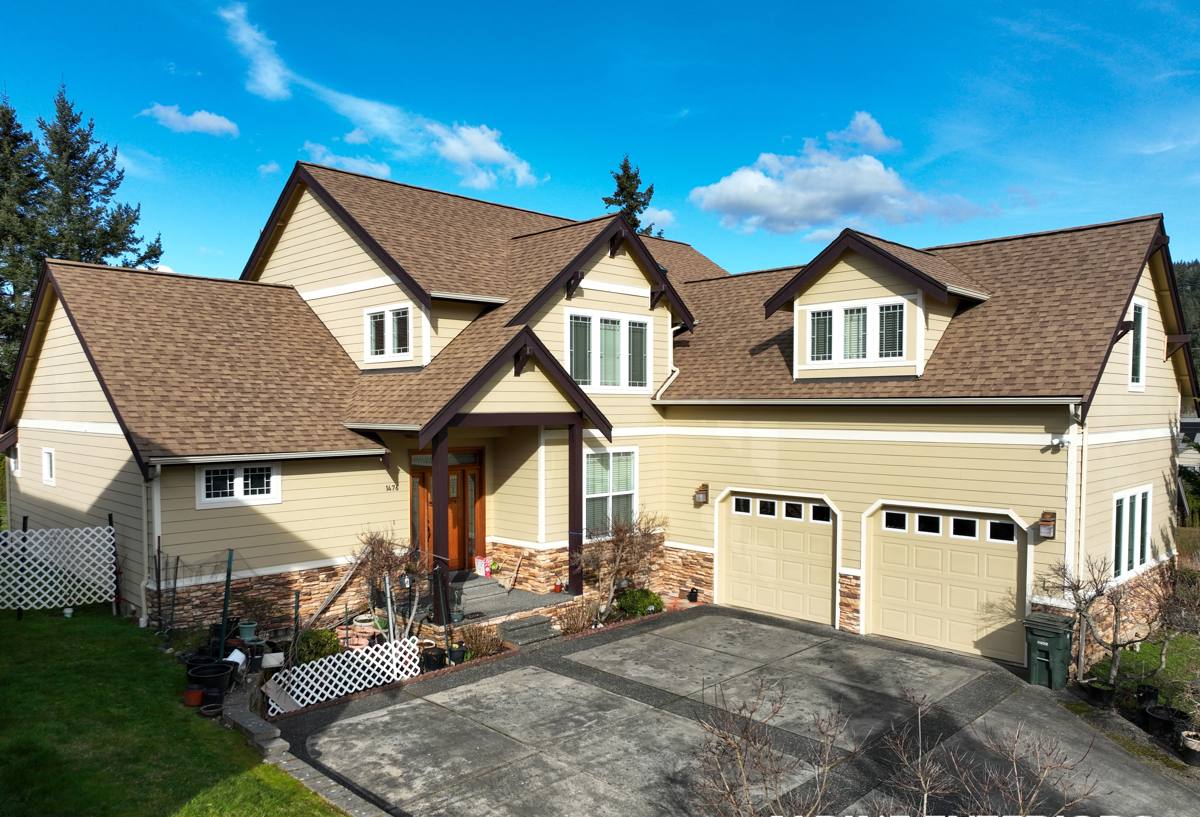
Lynden's mix of open farmland, larger residential lots, and newer subdivisions means decks here see a range of exposure conditions — some sit under mature tree cover that traps moisture and drops organic debris all winter, others sit wide open to wind-driven rain with nothing to break it up. Both situations create the same underlying problem: sustained moisture contact with structural wood, fasteners, and footings.
That means a deck built for this area needs to handle a few things well:
- Standing water and slow-draining soil around footings during the wet months
- Debris buildup (leaves, needles, seed pods) that holds moisture against boards and framing
- Moss and algae growth on any shaded or north-facing surface
- Repeated freeze-thaw cycles on exposed fasteners and connectors during cold snaps
- UV and heat stress during the shorter dry season, which stresses whatever finish is on the wood
None of these are exotic problems. They're just the normal cost of building outdoors in western Washington, and a deck that ignores them will show it within a few years — cupped boards, soft spots near the ledger, rust streaks from failing hardware, or a green film that never fully goes away.
Choosing the Right Decking Material for This Climate
There's no single "best" decking material — there's the right material for how a homeowner wants to use the deck and how much upkeep they want to sign up for. In Lynden's climate, the trade-offs are more pronounced than they'd be in a drier region, so it's worth being honest about them up front.
| Material | How it handles Whatcom County moisture | Upkeep |
|---|---|---|
| Pressure-treated wood | Affordable and strong, but needs consistent sealing or it will absorb moisture, gray out, and grow moss in shaded spots | Annual cleaning and re-sealing recommended |
| Cedar | Naturally rot-resistant and handles our humidity well, but still needs finish maintenance to keep its color and resist surface moss | Periodic cleaning and re-oiling |
| Capped composite | Sheds water at the surface and resists moss better than uncapped wood; performs well through wet winters | Occasional washing, no sealing |
| PVC decking | Fully moisture-resistant surface, best option where shade and standing moisture are constant issues | Lowest — washing only |
We don't push one product on every job. A sunny, open deck in Lynden might do perfectly well in cedar with a regular maintenance routine. A shaded deck tucked against tree line, where moss pressure never really lets up, is usually better served by a capped composite or PVC board even though the upfront cost is higher. We'll walk through the honest trade-offs for your specific site rather than defaulting to whatever's easiest to install.
What Matters Below the Boards
The decking material gets all the attention, but the framing underneath is what actually determines the deck's lifespan. Joists, beams, and ledger connections that trap water or lack proper flashing will rot from the inside long before the surface boards show any problem. In a climate where wood framing stays damp for a good part of the year, that structural layer needs to be treated with the same care as the visible surface.
What a Correctly Built Deck Involves
A deck that's going to hold up in this climate isn't just a matter of nailing boards to joists. The parts that don't show are what protect the parts that do:
- Footings sized and set below frost depth, on soil that's been checked for drainage rather than assumed
- Proper ledger board flashing where the deck attaches to the house, so water is directed away from the wall structure instead of into it
- Joist tape or flashing on top of framing members to keep moisture from wicking into cut ends and fastener holes
- Corrosion-resistant fasteners and hardware rated for ground contact and sustained moisture exposure
- Board spacing and airflow underneath that lets the structure dry out between rain events instead of staying saturated
- Grading and drainage at the base of posts and footings so water moves away from the structure rather than pooling against it
Skip any one of these and the deck may still look fine on day one — the failures show up two, five, or ten years later, usually as soft framing or rusted connectors that are far more expensive to fix than they would have been to install correctly.
How We Approach a Lynden Deck Project
1. On-Site Assessment
We look at sun exposure, tree cover, drainage patterns, and how the deck will actually be used before recommending a layout or material. A deck for entertaining needs different spacing and structure than one built mainly for grilling and quiet mornings.
2. Design and Material Selection
We walk through the material comparison above in the context of your specific lot — shade, exposure, budget, and how much upkeep you want to take on — and land on a spec that matches it.
3. Permitting
Deck projects above certain sizes or heights typically require permitting through the applicable jurisdiction. We handle that process so the structure is inspected and documented correctly from the start.
4. Build
Footings, framing, flashing, and decking go in with the moisture-management details above treated as standard practice, not upgrades.
5. Final Walkthrough
We go over care and maintenance specific to the material chosen, so you know what upkeep actually looks like through a Whatcom County winter.
Mistakes We See on Decks Built Without This Climate in Mind
Whatcom County gets a lot of decks that were either built by out-of-area crews or built during a dry stretch without accounting for what the following winter would do. The recurring issues:
- Ledger boards attached without flashing, leading to hidden rot against the house wall
- Standard fasteners used instead of corrosion-resistant hardware, rusting and staining within a couple of years
- Footings poured too shallow or on poorly drained soil, causing shifting and squeaks
- Board spacing too tight, trapping moisture and accelerating moss growth
- No airflow allowed underneath the deck, keeping the frame damp far longer than necessary
Most of these aren't visible until something fails. Part of our job is making sure they never become a problem in the first place.
Maintaining a Deck Through Whatcom County's Wet Season
Whatever material you choose, a little seasonal upkeep goes a long way in this region. Clearing leaves and debris before the fall rains settle in, keeping gutters and downspouts directing water away from the deck footprint, and washing off moss and algae before it gets established are the basics that keep wood and composite decks alike performing well. Homes closer to the coastal air around Ferndale tend to see slightly faster wear on hardware and finishes than more inland properties, but the underlying moisture and moss pressure is a Whatcom County–wide reality, Lynden included.
Why It Matters to Hire a Crew That Already Works in Lynden
Building codes, soil conditions, and typical lot layouts vary enough between jurisdictions that local experience isn't just a nice-to-have — it changes how the deck is designed and built. A crew that already works in and around Lynden knows what drainage conditions to expect on a given lot type, what permitting looks like locally, and which construction details actually matter for how long this specific climate keeps things wet. That's the difference between a deck spec written for a national average and one written for the ground it's actually going into.
If you're planning a new deck or replacing one that hasn't held up, we're happy to take a look and give you a straightforward, no-pressure estimate — just fill out the form below.