 Ferndale Siding
 Windows Built for a Peninsula That Takes a Beating
Point Roberts sits in a spot most homeowners never have to think about: a small peninsula surrounded on three sides by water, connected to the rest of Whatcom County only by a drive through Canada. That geography means the homes here catch weather the rest of Ferndale and the mainland don't see in the same concentration — wind off the strait, salt-laden air, and long stretches of damp, low-light months where moisture has nowhere to go but into your building envelope. Windows are one of the first components to show the wear of that environment, and they're also one of the most expensive things to get wrong. When we install or replace windows in Point Roberts, we're not just fitting glass into an opening — we're managing water, salt, and pressure differences that a generic install in a drier inland town wouldn't have to account for.
This page covers what we've learned installing and repairing windows in this specific stretch of Whatcom County: what the salt air and rain actually do to window assemblies over time, what a correct installation looks like here, and why the flashing and sealant details matter more on a peninsula than almost anywhere else in the county.
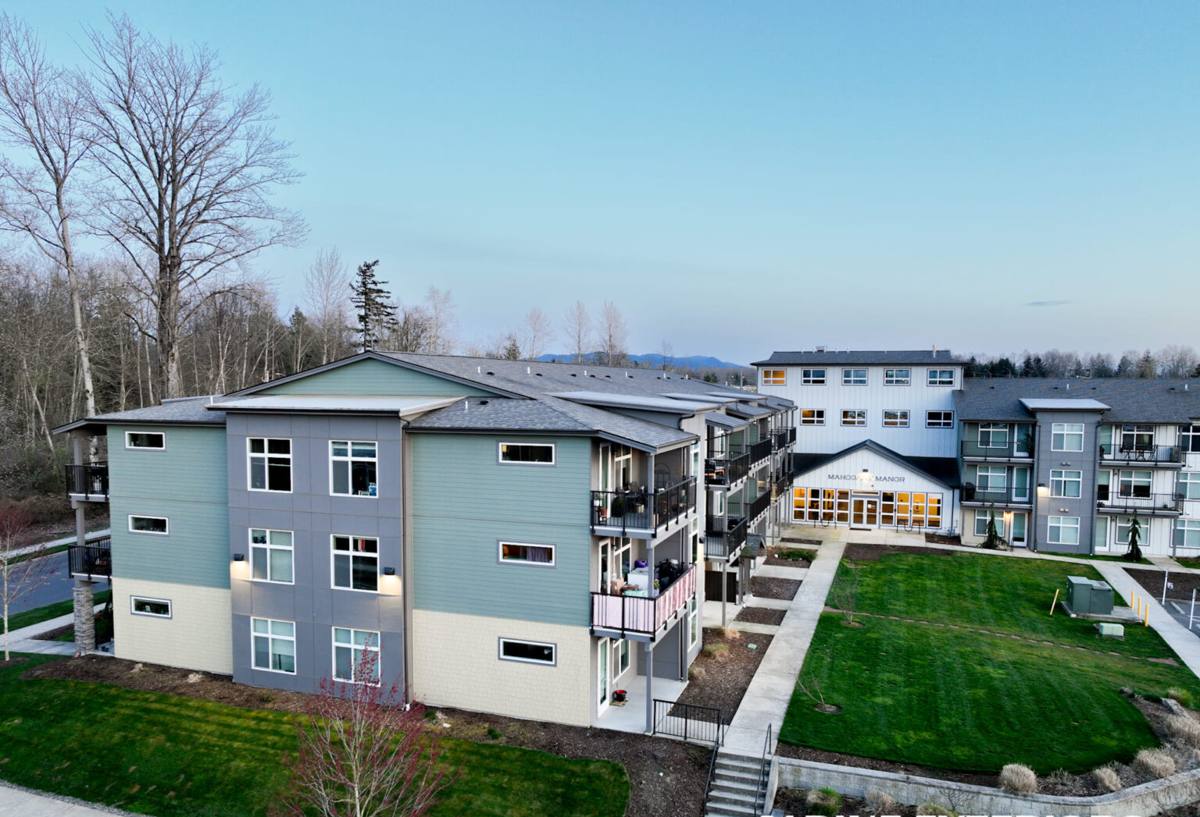
What Salt Air and Driving Rain Actually Do to Windows
Salt Exposure
Airborne salt is corrosive to exposed metal — window hardware, screen frames, uncoated fasteners, and especially lower-grade aluminum cladding. Over years, salt film accelerates pitting and finish breakdown on hardware that would otherwise last decades inland. It also settles into caulking and trim, where it holds moisture against the surface longer than plain rainwater would, which speeds up rot in wood-adjacent components and premature failure of cheaper sealants.
Driving Rain
Point Roberts gets wind-driven rain that comes in sideways, not straight down. That matters because a window can be perfectly watertight against vertical rain and still leak badly under horizontal pressure if the flashing details weren't designed for it. Wind-driven rain finds any gap in the head flashing, any reverse-lapped building paper, or any bead of sealant that's cracked or was never continuous in the first place. This is the single most common cause of hidden water damage we find behind older window trim out here — not a bad window, but a window that was flashed for calmer weather.
The Long Moss Season
Extended damp periods keep moss and algae established on north- and west-facing surfaces most of the year. On windows, that shows up as green growth in sill corners, on wood trim, and in track channels — areas that stay shaded and wet longer than the rest of the wall. Moss holds moisture against the surface it's growing on, which is exactly the condition that rots wood sills and corrodes hardware faster than open sun-and-rain exposure would.
Signs Your Point Roberts Windows Are Losing the Fight
- Soft, spongy, or discolored wood at the sill or lower corners of the frame
- Green or black growth building up in sill tracks or trim joints that never fully dries out
- Fogging or a milky haze between the panes of a double-pane unit (a sign the seal has failed)
- Hardware — cranks, locks, hinges — that's stiff, pitted, or corroded compared to when it was new
- Drafts or a whistling sound during wind events, even with the window fully latched
- Paint or finish peeling specifically around the window opening, not the surrounding wall
- Visible daylight or a flashlight test showing gaps between the frame and the rough opening trim
Any one of these on its own might be minor. Two or more on the same window, especially on a wall that faces the prevailing weather, usually means the flashing or seal has already failed and water has been getting behind the trim for a while.
What a Correct Custom Window Install Involves Here
"Custom" windows means the unit is built to the actual opening and the actual performance needs of the home, rather than pulled off a shelf in a stock size. For Point Roberts, that starts with the window itself but doesn't end there — the install detailing matters as much as the product.
1. Opening Assessment
Before we order anything, we check the rough opening for square, for existing water damage in the sill and header framing, and for how the wall is currently flashed. If there's rot or a prior installation with no real drainage plane, that gets addressed before a new window ever goes in — installing a good window into a compromised opening just hides the problem for a few more years.
2. Flashing and Drainage Plane
This is the part that matters most in a driving-rain, salt-air environment. We use a proper sill pan to give any water that gets past the window a way out instead of a place to pool. Head flashing is integrated with the house wrap or building paper in the correct shingle-lap order — always lapped so water sheds outward and downward, never trapped behind the next layer up.
3. Sealant Selection and Application
Not all sealants hold up to salt air and constant damp-dry cycling. We use products rated for marine or coastal exposure where it counts — around the perimeter and at any penetration — rather than a standard-grade caulk that chalks and cracks within a couple of seasons out here.
4. Hardware and Material Choice
Where corrosion resistance matters, we steer clients toward hardware and cladding finishes that are rated for coastal or high-moisture exposure rather than the base-grade options. It costs a bit more up front and pays for itself in the number of years before you're dealing with stuck locks or pitted hinges.
5. Final Weatherproofing Check
Once the window is set, shimmed plumb and square, and fastened, we check operation, confirm the seal is continuous, and make sure exterior trim is sealed and back-primed where wood is used. We don't consider the job done until the window operates smoothly and the water management path is verifiable, not just visually tidy.
Choosing the Right Window Type for a Coastal Exclave Home
| Window Type | How It Handles Salt Air & Rain | Best Use on a Point Roberts Home |
|---|---|---|
| Vinyl, coastal-rated | Won't corrode; UV- and salt-stable formulations resist chalking better than standard vinyl | Good all-around choice for most walls, especially budget-conscious full-home replacements |
| Fiberglass | Very stable dimensionally, resists moisture absorption and doesn't corrode | Strong option for the most weather-exposed elevations (typically west/north-facing) |
| Aluminum-clad wood | Good look, but cladding and fasteners need coastal-rated finishes or salt exposure will pit hardware over time | Only where the aesthetic is a priority and maintenance is expected |
| Bare wood | Highest maintenance burden in salt air and constant damp — needs frequent refinishing to avoid rot | Generally not recommended for directly exposed elevations here |
We'll walk through these trade-offs against your home's specific exposure — a wall that's sheltered by trees or a neighboring structure doesn't need the same spec as one facing open water and prevailing wind.
Repair, Reseal, or Full Replace?
Not every window on a Point Roberts home needs full replacement. We look at three factors before recommending anything:
Repair or Reseal
If the frame and glass are structurally sound and the problem is failed sealant, worn weatherstripping, or corroded hardware, a reseal and hardware swap can add years of service at a fraction of replacement cost.
Partial Replacement
Sometimes only the units on the most exposed wall are failing while the rest of the home's windows are fine. Replacing just those, with proper coastal-rated flashing and sealant, is often the most cost-effective path.
Full Replacement
If the rough openings themselves have water damage, if the windows are original and near end-of-life across the board, or if you're already doing a siding project, replacing everything at once lets us tie the window flashing into the new wall assembly properly — which is the strongest long-term setup we can offer.
Why Local, Experienced Installation Matters on This Peninsula
A window install that would pass fine in a sheltered inland neighborhood can fail within a couple of seasons on an exposed Point Roberts wall. The difference isn't the window brand — it's whether the crew understands wind-driven rain loading, salt-air material choices, and how to detail flashing for a site that gets weather from multiple directions with no windbreak. Because we work throughout Whatcom County, including this stretch of coastline, we bring that site-specific judgment to every estimate rather than applying a one-size-fits-all approach borrowed from drier parts of the region.
We also factor in the practical reality of working in Point Roberts — coordinating material delivery and scheduling around the border crossing — so timelines are realistic from the first estimate, not a surprise halfway through the job.
What to Expect From Our Process
- On-site assessment of your current windows, openings, and the specific exposure of each wall
- Honest recommendation on repair vs. partial vs. full replacement, with reasoning explained
- A written estimate covering materials, labor, and flashing/sealant approach
- Scheduling that accounts for weather windows and material delivery logistics
- Installation with proper sill pan flashing, coastal-rated sealant, and correct shingle-lap detailing
- A final walkthrough so you understand what was done and how to maintain it
Simple Maintenance That Extends Window Life Here
- Rinse salt film off exterior frames and hardware a few times a year, especially after storms
- Clear moss and debris from sill tracks and corners before it holds moisture against the frame
- Check and re-lubricate hardware annually so corrosion doesn't set in unnoticed
- Inspect exterior caulking each fall and touch up any cracked or gapped sections before the wet season
- Watch for soft spots in wood trim or sills and address them early, before rot spreads into the frame
None of this is complicated, but skipping it is exactly how a well-installed window ends up needing early repair in a climate this demanding.
If you're dealing with drafty, foggy, or hard-to-operate windows on your Point Roberts home, or you're planning ahead for a full replacement, we're happy to take a look and give you a straightforward, no-pressure estimate. Use the form below to get started.