 Ferndale Siding
 Building a Deck That Holds Up in Semiahmoo
Homes on and around the Semiahmoo side of Whatcom County live with a combination most inland decks never have to deal with: salt-laden air off the water, wind-driven rain that hits siding and decking at an angle instead of straight down, and a moss season that can run seven or eight months out of the year. A deck built the way it would be built in a dry inland climate will show problems here faster than it should — fastener corrosion, soft spots where water sits, slick moss buildup on horizontal surfaces, and finishes that fail years ahead of schedule. Building it right the first time means choosing materials and details specifically for this exposure, not just following a generic deck plan.
We work decks in this area regularly, which means we already know which details matter here and which corners get cut on decks that weren't built with the coast in mind.
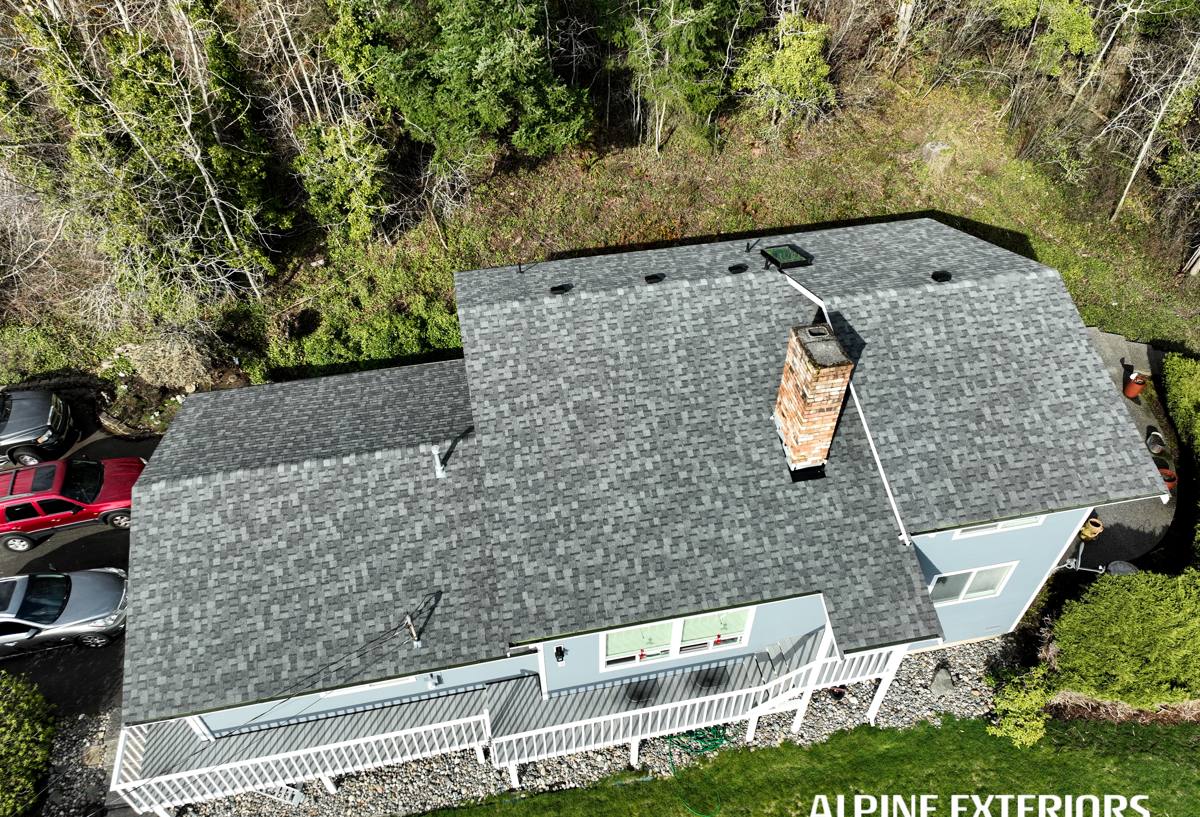
What Salt Air and Driving Rain Actually Do to a Deck
Salt air accelerates corrosion on anything metal — fasteners, joist hangers, railing hardware, even some flashing. On a deck near the water, a fastener rated for general exterior use can start showing rust streaks in a fraction of the time it would take a few miles inland. Once a fastener starts corroding, it weakens, and a weakened fastener in a structural connection (like a joist hanger or ledger bolt) is a real safety issue, not just a cosmetic one.
Driving rain is a different problem. Wind-blown rain gets pushed sideways and upward into places a straight-down rain never reaches — behind ledger boards, under railing posts, into the end grain of decking boards. If those areas aren't flashed and sealed correctly, water gets trapped where it can't dry out, and that's exactly where rot and hardware failure start.
Why Moss Season Adds Its Own Set of Problems
Whatcom County's long wet season keeps horizontal wood and composite surfaces damp for extended stretches, which is ideal growing conditions for moss and algae. Beyond the obvious slip hazard, moss holds moisture against the decking surface far longer than open air would, which shortens the life of both the boards and any finish on them. Deck orientation, gap spacing between boards, and how much sun and airflow a deck actually gets all affect how bad this gets — and they're all things we account for at the design stage, not something to fight with cleaning products after the fact.
Getting the Structure Right First
The parts of a deck nobody sees — footings, framing, ledger attachment — matter more here than the visible decking surface, because that's where a coastal-climate mistake actually causes failure.
- Footings sized and set to reach stable, frost-appropriate depth for the site conditions
- Joist hangers and structural fasteners rated for corrosion resistance appropriate to a coastal-exposure setting
- Ledger board properly flashed and sealed where it meets the house, since this connection carries the most structural load and sees the most water intrusion risk
- Joist spacing set for the decking material chosen — composite and PVC boards often need tighter spacing than solid wood
- Proper slope away from the house so water sheds off the deck instead of pooling against the ledger or siding
None of this is visible once the deck is finished, which is exactly why it's worth asking a contractor directly what fastener and hardware ratings they use before work starts.
Choosing Decking Material for This Climate
There's no single "correct" decking material for every Semiahmoo project — it depends on budget, how much upkeep the homeowner wants to do, and how exposed the deck is to wind and salt spray. Here's how the common options actually perform in this specific climate:
| Material | Salt air / moisture behavior | Moss & maintenance | Typical lifespan here |
|---|---|---|---|
| Pressure-treated wood | Handles moisture well when properly finished; end grain and cut edges need extra sealing | Needs regular cleaning and refinishing to resist moss and graying | 15-20 years with upkeep |
| Cedar | Naturally moisture- and insect-resistant, but still needs periodic finish maintenance in coastal exposure | Moss-prone if not cleaned; ages to gray without finish | 15-20 years with upkeep |
| Composite decking | Very stable in moisture and salt exposure; won't rot or splinter | Still needs periodic washing — moss grows on any surface that stays damp | 25-30 years, manufacturer-dependent |
| PVC / capped polymer decking | Fully moisture-sealed; the most resistant option to salt-air degradation | Easiest to keep clean; smooth cap sheds moss better than wood grain | 25-30+ years, manufacturer-dependent |
We don't push one material on every job. A wood deck maintained on a real schedule can look great for years in this climate — but we're upfront that "real schedule" means annual attention, not occasional. If a homeowner wants to minimize upkeep, composite or PVC decking is the more honest recommendation, understanding that upfront cost is higher.
Railings and Fasteners Deserve the Same Attention
Railings and their hardware take direct wind and salt exposure, often more than the deck surface itself. Composite or aluminum railing systems tend to hold up better in this exposure than untreated wood balusters, and any fastener used in railing posts or connections should carry the same corrosion resistance as the structural hardware below the deck. A deck can have a solid frame and still develop problems at the railing if this gets overlooked.
Design Choices That Reduce Moss and Water Problems Long-Term
A few decisions made at the design stage make ongoing maintenance noticeably easier for the life of the deck:
- Orienting the deck and board direction to maximize sun exposure and airflow where the site allows it
- Proper gap spacing between boards so water drains through instead of sitting on the surface
- Keeping decking clear of overhanging trees or dense shrubs where practical, since shade and debris both feed moss growth
- Planning drainage under the deck so ground-level moisture doesn't wick back up into framing
- Choosing a decking profile (grooved vs. solid edge) that matches how much airflow the site actually gets
None of these add meaningfully to project cost, but they make a real difference in how much scrubbing and refinishing a deck needs five and ten years down the road.
Our Process for a Semiahmoo Deck Project
1. On-Site Assessment
We look at sun exposure, prevailing wind direction, existing drainage patterns, and how close the deck will be to salt spray or standing moisture. This shapes both the material recommendation and the structural details.
2. Material and Design Walkthrough
We go over the honest tradeoffs — wood versus composite versus PVC, railing options, and what the maintenance commitment looks like for each — so the homeowner picks based on real information, not a sales pitch.
3. Permitting and Structural Planning
Deck footings, height, and railing requirements typically fall under local building code and may require a permit depending on the project's size and height. We handle that process as part of the job.
4. Build
Footings, framing, ledger flashing, decking, and railing installed in sequence, with the corrosion-resistant hardware and flashing details covered above applied throughout — not just at the visible surface.
5. Final Walkthrough
We walk the finished deck with the homeowner, cover basic care (cleaning frequency, what to watch for with moss, refinishing schedule if applicable), and address any questions before calling the job done.
Why It Matters to Hire a Crew That Already Works This Area
A deck contractor who mostly works inland, drier climates may not think twice about fastener grade, ledger flashing detail, or board spacing — because in their usual conditions, those shortcuts don't fail as fast. In Semiahmoo's salt air and rain exposure, they do. Working regularly in Whatcom County's coastal conditions means we're not guessing at what holds up here — we've seen what happens to decks built without these details in mind, and we build to avoid repeating those problems.
A Quick Checklist Before You Hire Anyone for a Deck Project
- Ask what fastener and hardware corrosion rating they use — general exterior-grade isn't the same as coastal-rated
- Ask how the ledger board will be flashed and sealed against the house
- Get a clear answer on expected maintenance for whichever decking material you choose
- Confirm footing depth and permitting requirements are being handled, not skipped
- Ask about board spacing and drainage planning specific to your site's sun and wind exposure
If you're planning a new deck or replacing one that's showing its age in Semiahmoo, we're happy to take a look and put together a straightforward estimate — no pressure, no pushy upsell, just an honest assessment of what your site needs. Use the form below to get started.