 Ferndale Siding
 Birch Bay's Coastal Exposure Is a Different Job Than Inland Ferndale
Birch Bay sits directly on the Salish Sea, and that changes what siding has to survive compared to a home a few miles inland in Ferndale proper. Homes here take on salt-laden air off the water, wind-driven rain that hits walls sideways instead of falling straight down, and a long, damp moss season that keeps north- and west-facing walls wet for weeks at a stretch. None of that is exotic — it's just Whatcom County's marine climate doing what it does year-round — but it means siding installed the same way you'd do it in a drier inland town will fail faster here. The material, the flashing details, and the fastening all need to account for the specific conditions a Birch Bay lot actually sees.
We treat Birch Bay siding installations as their own category of job, not a copy-paste of what we'd do elsewhere in Ferndale. That starts with understanding exactly what the coastal exposure does to a wall system over time.
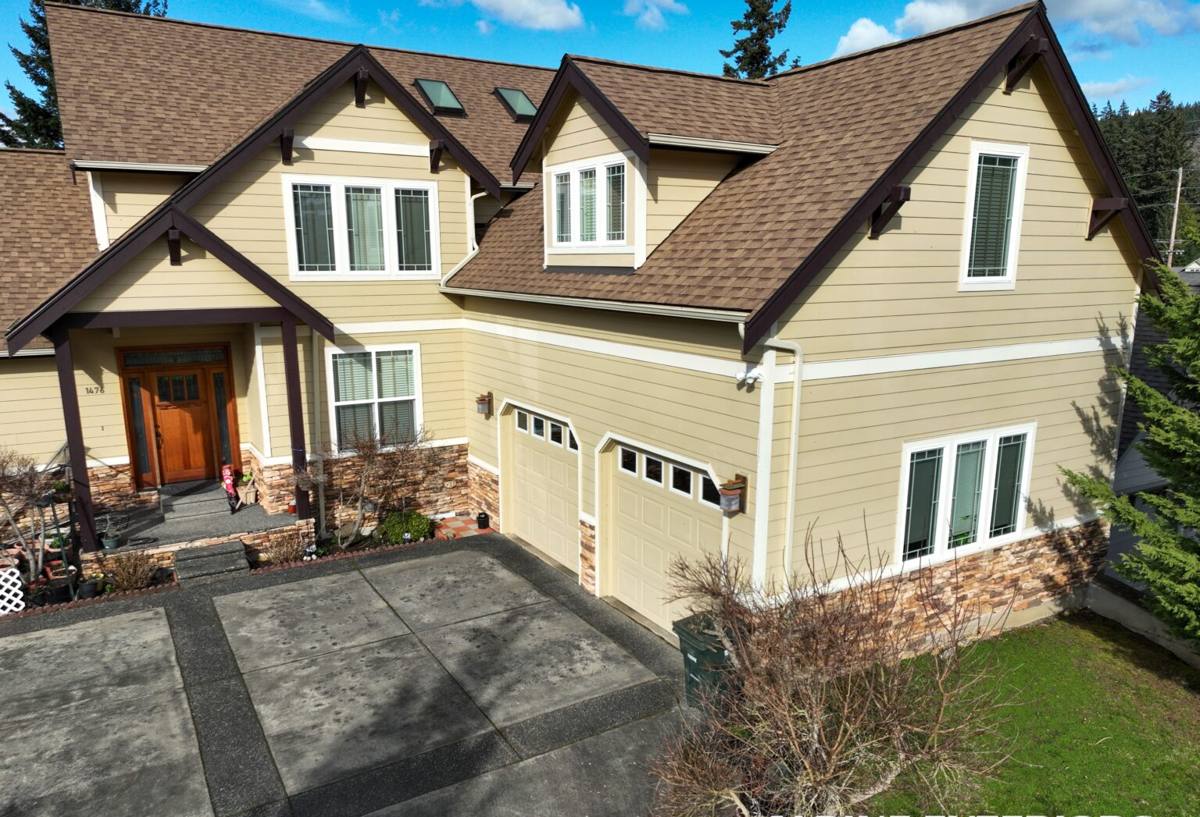
What Salt Air, Driving Rain, and Moss Actually Do to Siding
Salt-Laden Air and Corrosion
Airborne salt from the Bay settles on exterior surfaces and accelerates corrosion of anything metal — nail heads, trim flashing, fastener shanks, and hardware. On a standard inland install, minor fastener corrosion is a cosmetic issue decades out. On a Birch Bay home, the wrong fastener choice can mean streaking, loosened boards, or compromised flashing well ahead of schedule.
Wind-Driven Rain and Water Intrusion
Rain that comes in at an angle off the water doesn't just run down a wall — it drives into laps, seams, and penetrations (windows, doors, hose bibs, light fixtures) with real force. A siding system that relies on paint or caulk alone to keep water out, rather than proper flashing and drainage behind the cladding, is going to lose that fight eventually. The wall assembly needs a real path for any water that gets past the siding to drain back out.
Moss, Shade, and Trapped Moisture
Birch Bay's tree cover and marine humidity give moss a long season to establish itself, especially on shaded north walls and anywhere siding stays damp after a storm. Moss and algae growth isn't just cosmetic — sustained moisture against a wall surface is what causes rot in wood-based products and accelerates failure in anything not engineered to handle repeated wet-dry cycling.
Why We Install Only James Hardie Fiber Cement Here
We made a standing decision as a company to install James Hardie fiber cement siding exclusively — not vinyl, not LP SmartSide, not primed spruce or cedar, not other fiber cement brands. That decision matters more in a place like Birch Bay than almost anywhere else we work, because the coastal conditions expose the weak points in other materials faster.
| Material | How it holds up under salt air, driving rain, and moss |
|---|---|
| Vinyl siding | Can warp or become brittle with UV and temperature cycling; seams and butt joints are more vulnerable to wind-driven rain intrusion; doesn't hold paint if you ever want a color change |
| Cedar / primed spruce | Wood-based, so sustained moisture and shade encourage rot and moss adhesion; needs ongoing sealing and repainting to keep water out |
| LP SmartSide | Engineered wood strand product — better than raw wood but still wood-based, so cut edges and moisture-exposed areas need diligent sealing and maintenance |
| James Hardie fiber cement | Non-combustible, cement-based composition doesn't rot or support moss growth the way wood does; factory-applied ColorPlus finish resists the fading and moisture absorption that field-applied paint doesn't |
Fiber cement isn't magic — it still has to be installed with the right clearances, flashing, and fastening to perform. But the base material is simply better suited to a wet, salty, shaded coastal wall than wood-based or vinyl alternatives, which is a large part of why we won't put anything else on a Birch Bay home.
What a Correct Installation Involves in This Climate
Weather-Resistive Barrier and Flashing Details
Every penetration — windows, doors, vents, exterior fixtures — needs flashing that directs water back out over the weather-resistive barrier, not behind it. In a wind-driven rain environment like Birch Bay, this detail work matters more than the siding material itself. A well-flashed wall with mediocre siding will outlast a great siding product installed over sloppy flashing.
Fastening and Clearances for Coastal Wind
Fastener spacing and type need to account for wind exposure, and we hold to Hardie's published fastening schedules rather than cutting corners on nail count. We also keep the manufacturer's minimum clearances from grade, roofing, and decking — those gaps exist specifically so water and debris don't sit against the bottom edge of the siding, which is exactly where moss and rot start.
ColorPlus Finish vs Field-Painted Siding
Hardie's ColorPlus finish is baked on at the factory under controlled conditions, which gives it better adhesion and UV resistance than paint applied on-site after installation. In a climate that keeps walls damp for long stretches, a finish that isn't absorbing moisture at the surface is one less failure point to worry about.
Our Process for a Birch Bay Siding Installation
- On-site assessment of wind exposure, shade patterns, and existing moisture or moss issues specific to the lot
- Removal of old siding and inspection of the sheathing underneath for hidden rot or water damage
- Repair of any compromised sheathing before new material goes up — we don't cover over problems
- Installation of a continuous weather-resistive barrier with properly lapped and taped seams
- Flashing at every window, door, and penetration, directing water out and down
- James Hardie panel or plank installation to manufacturer clearance and fastening specifications
- Trim, caulking, and touch-up work at cut edges and joints
- Final walkthrough covering care and what to watch for through the first wet season
We don't shortcut the sheathing inspection step. On coastal homes especially, what's underneath old siding often tells you more about the real condition of the wall than the siding itself does.
Cost Factors for a Birch Bay Project
Every home is different, but a few factors consistently move the price on a Birch Bay siding job more than they would inland:
| Factor | Why it affects cost here |
|---|---|
| Condition of sheathing under old siding | Coastal moisture exposure makes hidden rot more common, and repairs add labor and material before new siding can go on |
| Wall exposure and wind rating | West- and water-facing walls may need additional fastening attention, which affects labor time |
| Existing moss or algae buildup | Heavier growth means more prep work to clean and assess the wall before installation begins |
| Number of penetrations (windows, fixtures, vents) | Each one needs individual flashing, so homes with more openings take more detail work |
| Home size and siding profile chosen | Larger homes and certain plank or panel styles affect material quantity and install time |
We'll walk through which of these apply to your specific home during an on-site estimate rather than guessing over the phone — the sheathing condition alone can shift the scope significantly once old siding comes off.
Living With Moss Season After Installation
Even with the right material and installation, Birch Bay's shade and moisture mean moss and algae will still try to establish themselves on north-facing and heavily shaded walls. The difference with a correctly installed Hardie system is that the siding itself isn't feeding rot underneath that growth. A light annual rinse and keeping nearby vegetation trimmed back from the wall goes a long way toward keeping the finish looking clean through the wet months, without the structural risk that comes with wood-based products in the same conditions.
Why a Crew That Already Works Birch Bay Matters
Siding installation isn't just about following a manufacturer's instruction sheet — it's about knowing how a specific microclimate behaves on real walls. A crew that's already worked Birch Bay knows which walls on a typical lot take the worst of the wind-driven rain, where moss tends to establish first, and how the salt exposure here compares to a job a few miles inland in Ferndale. That local pattern recognition shows up in small decisions — flashing details, fastener choices, where to pay extra attention during prep — that don't show up on a spec sheet but matter a lot to how the siding performs over the following winters.
If you're planning a siding project on your Birch Bay home, we're happy to walk the property with you, look at what's going on with the existing siding, and give you a straightforward assessment of what correct installation would involve. Reach out for a free, no-pressure estimate using the form below.