 Ferndale Siding
 Cordata's Climate Puts Real Stress on Exterior Siding
Homes in the Cordata area sit in one of the more demanding exterior environments in Whatcom County. The combination of proximity to Bellingham Bay and the greater Puget Sound airshed, frequent driving rain off the Pacific, and a shaded, moisture-retentive landscape means siding here works harder than it does in drier parts of the state. Salt-laden air corrodes unprotected metal fasteners and trim over time. Driving rain — the kind that comes in sideways during a winter system rather than falling straight down — finds every gap in flashing and caulk that a calmer climate would never expose. And the region's long, wet moss season means algae and moss have months on end to take hold on shaded, north-facing, and tree-covered walls.
None of this means siding fails quickly here. It means siding installed without the right details fails faster here than it would somewhere drier. A house in Cordata with poor flashing at a window head or a starter strip installed too close to grade will show problems years before an identical mistake would show up in a low-moisture climate. That's the whole argument for getting the installation right the first time, with a product and a crew suited to this specific environment.
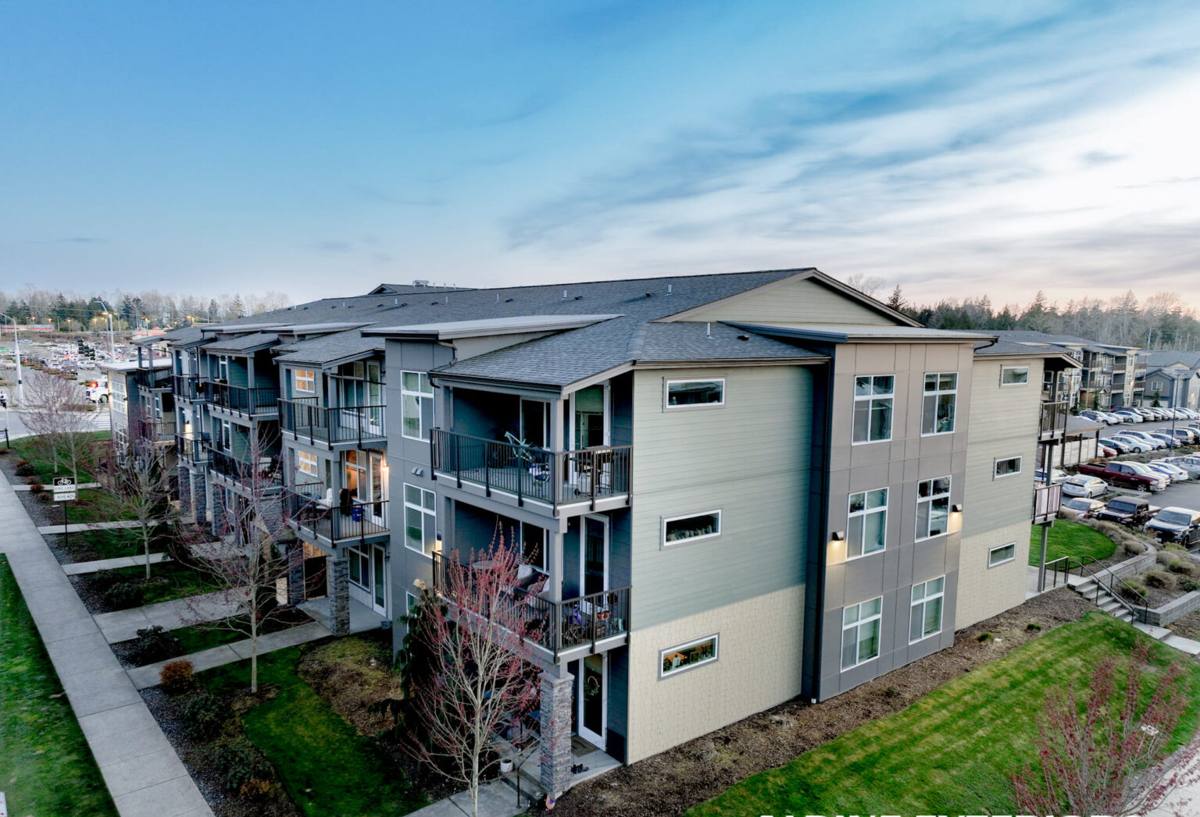
What Correct Siding Installation Actually Involves
Siding is a system, not a single layer. The visible panel is the last piece installed and the first piece anyone notices, but it's only doing its job correctly if everything behind it was done right first. A correct installation in a climate like this one means paying close attention to the parts nobody sees once the job is finished.
Water Management Comes First
Every wall needs a continuous weather-resistive barrier (WRB) lapped correctly from bottom to top, so water that gets past the siding drains down and out rather than sitting against the sheathing. Window and door openings need proper head flashing and pan flashing, not just caulk — caulk is a backup, not a water management plan. Where two roof planes meet a wall, or where a deck ties into siding, step flashing and kick-out flashing have to be installed so runoff is directed away from the wall assembly instead of behind it. In a region with as much annual rainfall as Whatcom County sees, these details are the difference between siding that lasts decades and siding that hides rot behind a good-looking face.
Fastening, Clearances, and Manufacturer Specs
Fiber cement siding has specific fastening requirements — nail type, spacing, and penetration depth all affect long-term performance and warranty coverage. Manufacturer-specified clearances also matter more here than in drier climates: siding needs a gap above roof lines, decks, and patios, and it needs to sit well clear of soil and mulch beds. Skipping these clearances is one of the most common ways moisture gets trapped against the bottom courses of a wall, and it's exactly the kind of shortcut that's invisible on installation day and expensive five years later.
Why This Company Installs Only James Hardie Fiber Cement
We install James Hardie fiber cement siding exclusively. We don't offer vinyl, LP SmartSide, Cemplank, Allura, primed spruce, or cedar as alternatives, and that's a deliberate standard, not a lack of options. Each of those products has legitimate strengths, but each also carries a real-world trade-off — moisture sensitivity, maintenance burden, or a shorter service life in wet climates — that we're not willing to install and then be responsible for once the truck leaves.
Built for This Climate: HZ Engineering
James Hardie manufactures its siding in climate-specific formulations, and the HZ5 product line is engineered for regions like the Pacific Northwest that see sustained moisture and moderate freeze-thaw cycling rather than extreme heat or extreme cold. Fiber cement itself doesn't absorb water the way wood-based products can, and it doesn't provide the organic surface that mildew and algae feed on the way untreated wood siding does. The ColorPlus factory finish is baked on under controlled conditions rather than field-applied, which matters directly in a climate where field-applied paint has fewer good drying days per year to cure properly. Hardie siding is also non-combustible, which is worth mentioning even in a wet climate — wildfire smoke and ember exposure aren't unique to dry regions, and fire-resistant cladding is one less thing to worry about. Backed by a strong transferable warranty, it's a product built to hold up to the specific punishment this area delivers, provided it's installed correctly.
Siding Materials Compared
Homeowners in Cordata often ask why we don't offer the full range of siding products other contractors carry. Here's an honest, side-by-side look at how the common options perform in this specific climate.
| Material | Moisture Tolerance | Moss/Algae Resistance | Maintenance | Typical Lifespan Here |
|---|---|---|---|---|
| James Hardie fiber cement | Excellent — won't rot or swell | Good; factory finish resists organic growth | Low — occasional wash | 30+ years to spec |
| Vinyl | Good, but can warp/buckle with heat cycling and trap moisture behind panels | Fair — grows moss/algae like any surface | Low, but color fades and can't be repainted well | Variable, shorter in coastal wind exposure |
| LP SmartSide (engineered wood) | Moderate — treated but wood-based, sensitive to sustained moisture at cut edges and seams | Fair | Moderate — edge sealing and caulking upkeep matters | Shorter than fiber cement in wet climates if maintenance lapses |
| Cedar (untreated or primed spruce) | Poor to moderate — absorbs water, needs consistent finish maintenance | Poor — organic surface feeds moss and mildew readily | High — refinishing on a recurring cycle | Shortest without disciplined upkeep |
This isn't a claim that the other products are defective — it's a reflection of what each one demands to perform well long-term, weighed against what a wet, moss-heavy, salt-air climate actually requires. We'd rather stand behind one product we trust completely than offer several and let a homeowner discover the trade-offs after the fact.
Our Installation Process for Cordata Homes
The process is the same discipline whether the job is a single wall repair or a full re-side, scaled to the scope of the work.
- On-site assessment. We look at existing siding condition, trim, flashing, and any signs of past moisture intrusion before quoting anything.
- Removal and sheathing check. Old siding comes off and the sheathing underneath gets inspected — this is often where hidden rot or past flashing failures show up.
- Repairs before covering anything up. Any damaged sheathing or framing gets addressed. Covering a known problem with new siding just delays it and hides it better.
- Weather-resistive barrier and flashing. Installed and lapped correctly at every penetration, window, door, and roofline intersection.
- Starter strips and panel installation. Installed to Hardie's fastening spec and clearance requirements, not shortcuts that speed up the day.
- Trim, caulking, and touch-up. Factory-finished panels need minimal field paint, but cut edges and seams get properly sealed.
- Site cleanup and final walkthrough. We review the completed work with the homeowner before calling the job done.
What Affects the Cost of a Siding Job in Cordata
Every home is different, so we won't quote a number without seeing the house, but the main cost drivers are consistent from job to job.
| Factor | Why It Matters |
|---|---|
| Home size and stories | More square footage and multi-story access both add material and labor time |
| Existing siding removal | Tear-off and disposal of old material adds a step versus new construction |
| Sheathing/framing condition | Hidden moisture damage found during tear-off requires repair before re-siding |
| Trim and architectural detail | Corners, gables, dormers, and detailed trim take more time than flat, simple walls |
| Color and finish selection | Some ColorPlus finishes and profiles carry different material costs |
| Site accessibility | Mature trees, slopes, and tight lot lines common in established neighborhoods affect staging and labor |
Living With Hardie Siding in a Moss-Prone Climate
Correctly installed fiber cement siding is genuinely low-maintenance, but "low-maintenance" doesn't mean "no maintenance," especially with a moss season as long as this region's. A short annual routine keeps siding performing the way it's supposed to for decades.
- Rinse siding annually with a garden hose and soft brush — avoid high-pressure washing, which can force water behind panels and damage the finish.
- Trim back vegetation and tree limbs that keep walls shaded and damp, since shade is the main driver of moss and algae growth on siding.
- Check and clear gutters before the fall rains start, so overflow doesn't run down the face of the siding.
- Inspect caulking at trim joints, window edges, and penetrations every year or two and re-caulk where it's cracked or pulled away.
- Watch for moss establishing at the bottom courses near grade or planting beds — that's usually the first place it takes hold.
- Address any siding clearance issues (mulch piled too high, plantings grown up against the wall) before they trap moisture long-term.
Why Hiring a Crew That Already Works in Cordata Matters
A lot of what determines whether siding performs well here isn't the product on the truck — it's the judgment of the crew installing it. A crew that regularly works in Cordata and the surrounding Ferndale area already knows which exposures on a typical local home take the worst weather, where moss tends to establish first, and how much clearance actually holds up against this region's rain volume versus the bare code minimum. They're also familiar with Whatcom County permitting expectations and inspection processes, so there are fewer surprises mid-project. That local pattern recognition doesn't show up on a spec sheet, but it shows up in how the finished siding performs ten winters later.
It also matters for accountability. A contractor based in and working this specific area has a reputation to maintain with neighbors, not just a single job to close out. That's a meaningful difference when you're trusting someone with the single largest exterior investment most homeowners make in a house.
Ready to Talk About Your Home
If you're weighing a siding replacement or repair in Cordata, we're happy to take a look and give you a straightforward, no-pressure estimate — what we'd recommend, what it would involve, and why. There's no obligation, and no pressure to sign anything on the spot. Use the form below to get started.