 Ferndale Siding
 Windows Built for the Sumas Climate
Sumas sits close enough to the water and to the Fraser Valley weather patterns that homes here deal with a specific combination of stresses most window installers never have to think about: salt-tinged marine air moving in off the Strait, long stretches of driving rain that comes in sideways during winter storms, and a moss season that can stretch from late fall through early spring. None of that is dramatic on its own. What it does is wear down window assemblies slowly, in ways that aren't always obvious until a homeowner notices fogging between panes, a draft that wasn't there last year, or trim that's gone soft to the touch.
Custom windows aren't just about matching an odd-sized opening or getting a particular grid pattern. In Whatcom County, "custom" also means the flashing details, sealant choices, and frame materials are matched to how much water and humidity that specific wall is going to see over the next twenty years. A window that performs fine in a drier climate can fail early here if it's installed the same way.
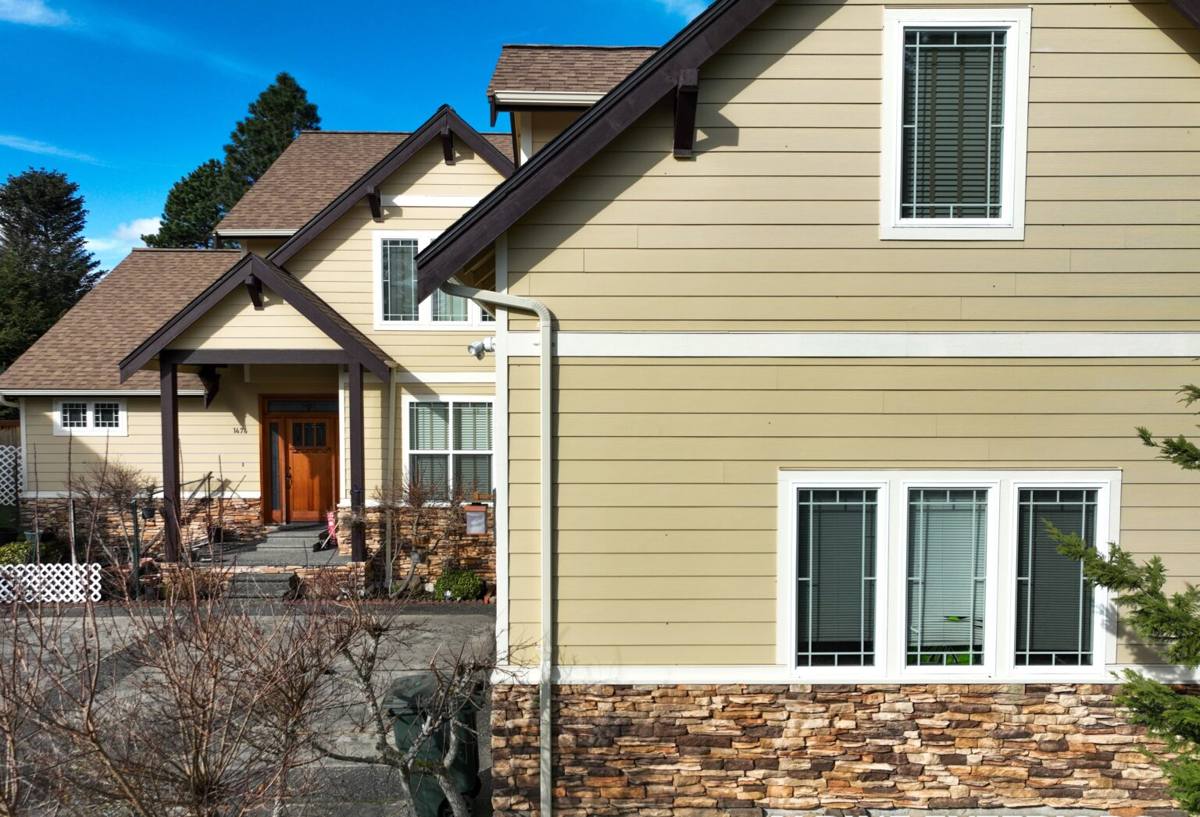
How Salt Air, Rain, and Moss Actually Damage Windows
Each of these three factors attacks a window assembly differently, and understanding the difference matters when deciding what to install and how.
Salt Air
Airborne salt accelerates corrosion on metal hardware — hinges, locks, balance systems, and especially lower-quality aluminum components. It also breaks down certain sealants and finishes faster than they'd wear in an inland climate. This is why hardware quality and finish durability matter more here than in a lot of the country.
Driving Rain
Wind-driven rain doesn't just hit a window head-on — it gets pushed sideways and upward into gaps that a light rain would never reach. If the flashing and drainage plane behind the window aren't detailed correctly, that water finds its way behind the siding and into the wall cavity, where it can sit unnoticed for months. Most of the rot damage we find around older windows in this area traces back to water management, not the window unit itself.
Moss and Sustained Moisture
A long moss season means more months of the year where wood trim, sills, and any exposed fastener stays damp. Moss holds moisture against a surface rather than letting it shed, which speeds up decay on untreated wood and can trap moisture against frames that aren't sealed properly at the perimeter.
Signs a Sumas Home's Windows Need Attention
- Fogging or a hazy film between panes of a double- or triple-glazed unit — the seal has failed and the gas fill is gone
- Visible gaps, soft or discolored wood at the sill or bottom corners
- Windows that are difficult to open, close, or lock, especially after damp weather
- Noticeable drafts near the frame even when the window is fully latched
- Condensation forming on the inside of the glass regularly, which can point to poor seals or inadequate insulation around the frame
- Visible moss or algae growth on the sill, trim, or the siding directly around the window
- A noticeable rise in heating costs without another clear explanation
What a Correct Custom Window Installation Actually Involves
The window unit itself is only part of the job. A significant amount of what determines whether a window lasts 10 years or 30 happens in the rough opening before the new window ever goes in.
Removal and Inspection
Once the old window is out, we check the framing, sill, and sheathing for hidden rot or moisture damage. This is often the first real look anyone's had at that part of the wall in years, and it's where problems from a poorly installed original window tend to show up.
Flashing and Drainage
Proper flashing — at the head, jambs, and especially the sill — directs any water that gets past the exterior cladding back out instead of into the wall. This is the single most important detail for long-term performance in a wet climate, and it's also the step that gets rushed or skipped on cheaper installs.
Air Sealing and Insulation
The gap between the window frame and the rough opening needs to be sealed and insulated correctly — not overpacked with expanding foam, which can bow a frame, and not left with gaps that let air and moisture through.
Setting, Leveling, and Fastening
A custom window has to be shimmed and set plumb, level, and square before it's fastened. An out-of-square install puts stress on the frame and hardware, which shows up later as operation problems even if the window looked fine going in.
Exterior Trim and Sealant
The final exterior seal and trim work needs sealant rated for this climate, applied so it can flex with seasonal movement without cracking and opening a path for water.
Choosing Materials and Glass for This Climate
There's no single "best" window material — the right choice depends on the home's exposure, budget, and how much upkeep the owner wants to take on. Here's how the common options compare for a Whatcom County home dealing with salt air, rain, and moss:
| Frame Material | Moisture & Salt Air Performance | Maintenance | Typical Fit |
|---|---|---|---|
| Vinyl | Good — won't corrode or rot, handles moisture well | Low | Most homes, strong value |
| Fiberglass | Very good — dimensionally stable, resists warping | Low | Larger openings, higher-exposure walls |
| Wood (clad exterior) | Good on the exterior face, but interior wood needs protection from condensation | Moderate to high | Homes prioritizing a traditional interior look |
| Aluminum | Prone to corrosion in salt air unless well-finished, conducts cold | Moderate | Limited use — we're selective about where we recommend it here |
For glass, dual-pane with a low-E coating and an argon fill is the standard we recommend for most Sumas homes — it balances energy performance and cost well. On walls with heavier weather exposure or where road or highway noise is a factor, triple-pane is worth the added cost for both insulation and sound dampening. We'll walk through the trade-offs for your specific home rather than defaulting to the most expensive option.
Why We're Selective About Aluminum-Frame Windows
Aluminum frames conduct heat and cold efficiently, which means more condensation risk on the interior side during our wet, cool winters, and untreated or poorly finished aluminum is more vulnerable to salt-air corrosion over time than vinyl or fiberglass. It's not that aluminum can't work — it's that it demands a higher-grade finish and thermal break to hold up here, and we'd rather steer a homeowner toward a lower-maintenance option than sell something that needs more attention down the road.
Our Process, Start to Finish
- On-site assessment — we look at existing window condition, framing, and any moisture issues before recommending anything
- Custom measurement and material selection — every opening is measured individually; nothing is assumed from a standard size
- Written estimate — clear scope, materials, and pricing before any work begins
- Removal and structural check — old windows come out, framing gets inspected and repaired if needed
- Installation — proper flashing, sealing, and setting as described above
- Exterior finish work — trim, caulking, and touch-up to match the home
- Final walkthrough — we check operation on every window with you before calling the job done
Energy Efficiency and Comfort
Failed or poorly sealed windows are one of the more overlooked sources of energy loss in older Whatcom County homes. Cold drafts near window frames make a furnace work harder, and condensation from temperature differences can contribute to the same moisture problems that damage trim and sills. A correctly installed, properly glazed replacement window addresses both the comfort issue and the moisture issue at the same time — they're connected, not separate problems.
Maintaining New Windows in a Wet Climate
Even the best window install benefits from a little seasonal attention, especially with a moss season as long as ours.
- Clear debris and moss from sills and tracks a couple of times a year, especially going into fall
- Check exterior caulking annually for cracking or separation and have it touched up before it fails
- Keep weep holes on the exterior frame clear so water can drain as designed
- Operate locks and hardware periodically through the winter so they don't seize up from disuse and moisture
- Watch for any soft trim or discoloration at the sill, which is the earliest sign of a developing problem
Why Local Experience in Sumas Matters
A crew that already works throughout this part of Whatcom County has seen how these specific conditions play out on real homes — where wind-driven rain tends to hit hardest, how moss builds up differently depending on tree cover and sun exposure, and which details on an older home are most likely to be hiding water damage behind the trim. That's not something you get from a general install checklist. It comes from doing this work, in this climate, repeatedly.
If you're noticing drafts, fogged glass, or trim that doesn't look right around your windows, we're happy to take a look and give you an honest read on what's going on — no pressure, no upsell. Reach out for a free estimate using the form below, and we'll walk you through your options for your home specifically.