 Ferndale Siding
 Windows Built for Nooksack's Weather, Not Just the Showroom
Nooksack sits inland from the coast but still gets the full Whatcom County weather package: wind-driven rain off the Strait, damp air that lingers for months, and a moss season that seems to start earlier every year. Windows here don't fail because the glass wears out. They fail because water finds a gap in the flashing, or because a frame that looked fine at install time was never sealed to handle years of saturated siding pressing against it. A window installation done right in this area has to account for all of that before the first unit ever goes into the opening.
We've installed and replaced windows all over the Ferndale and Nooksack area long enough to know which failure patterns show up again and again, and which shortcuts cause them. This page walks through what a correct installation actually involves here, what to expect from our process, and why it matters to hire a crew that already knows this specific climate rather than one working from a generic checklist.
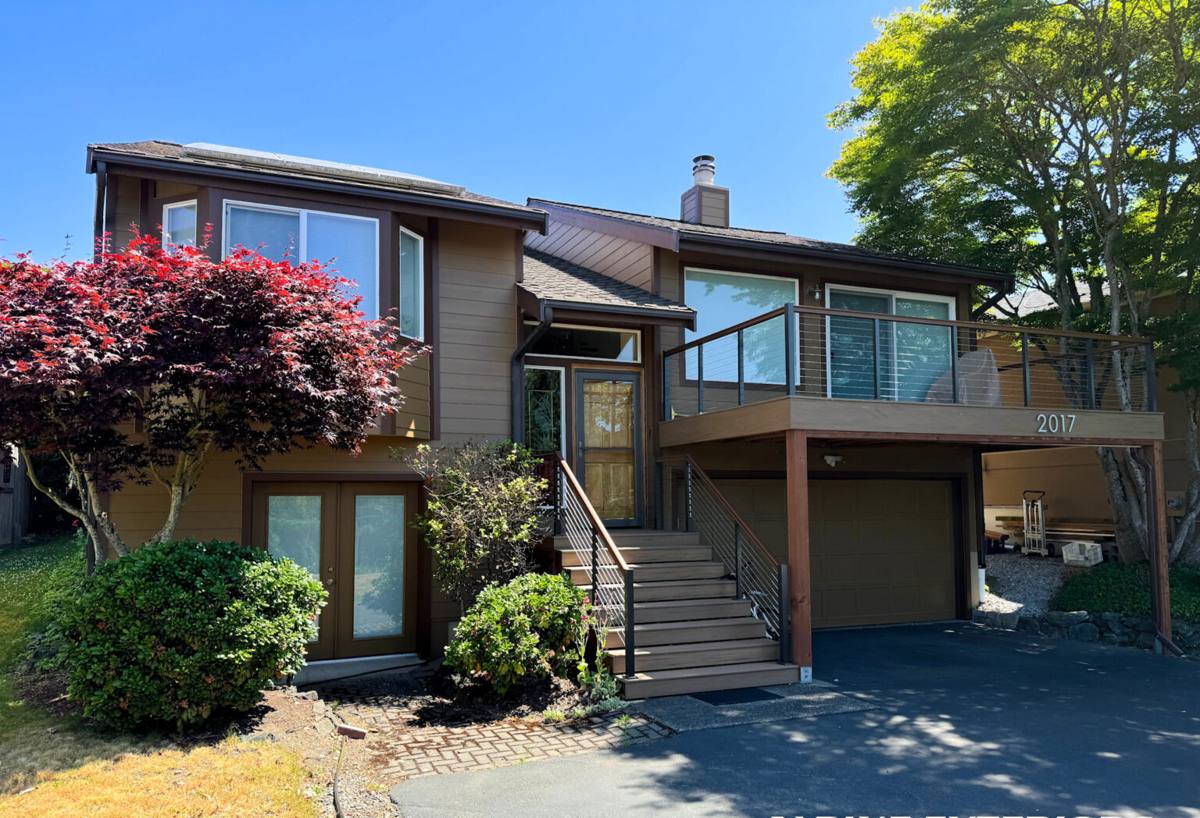
What Local Conditions Do to a Window Over Time
Driving Rain and Wind-Driven Moisture
Storms coming off the water don't just fall straight down — they push rain sideways into vertical siding and window trim. A window that's caulked but not properly flashed can look watertight for a season or two before moisture starts working its way behind the trim. Once water gets behind a window frame, it usually doesn't show up as a visible leak right away. It shows up later as soft trim, staining on interior sills, or a musty smell in the wall cavity.
Salt Air and Hardware
Even inland from the immediate coastline, salt-laden air moves through this part of Whatcom County and slowly works on unprotected metal. Cheap window hardware — hinges, locks, balance mechanisms — corrodes faster here than it would in a dry inland climate. It's one of the reasons we steer customers toward window lines with corrosion-resistant hardware rather than the cheapest option on a spec sheet.
Moss and Algae Season
Long stretches of damp, shaded weather feed moss and algae growth on horizontal trim surfaces, sills, and anywhere water sits instead of draining. Window sills with poor slope or the wrong sealant profile collect grime and moisture that accelerates rot at the corners — usually the first place a window frame actually fails.
What a Correct Window Installation Involves
Flashing and Water Management First
The window itself is almost never the reason an installation fails prematurely in this climate — the flashing detail around it is. A correct installation integrates the window with a weather-resistant barrier using a shingled, lapped sequence: sill pan flashing first, then side flashing, then head flashing, each layer overlapping the one below it so water is directed out and away from the wall assembly, never trapped behind it.
Air Sealing and Insulation
Gaps around the rough opening need to be sealed with a low-expansion foam or backer rod and sealant — not packed with fiberglass insulation alone, which does nothing to stop air infiltration. Poorly sealed gaps show up later as drafts, condensation on interior glass in winter, and higher heating bills.
Proper Shimming and Square Installation
A window that isn't shimmed level, plumb, and square will bind, won't lock properly over time, and puts uneven stress on the frame that can crack seals years before the window's rated lifespan. This is a slow-down-and-do-it-right step, not a place to save time.
Choosing a Window Material for This Climate
There's no single "best" window material for every home — it depends on budget, the home's style, and how much upkeep an owner wants to take on. Here's how the common options actually perform under Whatcom County's damp, salt-touched conditions:
| Material | Moisture Resistance | Maintenance | Typical Fit |
|---|---|---|---|
| Vinyl | Excellent — won't rot or corrode | Low; occasional cleaning | Most Nooksack-area homes; best value |
| Fiberglass | Excellent — very stable in wet/dry cycles | Low | Homes wanting a stronger frame with paintable finish |
| Wood-clad | Good on the exterior clad side; interior wood needs protection | Higher — finish and seals need periodic attention | Homes prioritizing a traditional wood interior look |
| Aluminum | Poor thermal performance, prone to condensation | Moderate; watch for pitting near salt air | Rarely our recommendation for this climate |
For most Nooksack-area replacements, we lean toward vinyl or fiberglass because both shrug off the wet-dry cycling this region puts them through without the ongoing maintenance a wood-framed window demands. That's a professional recommendation based on how these materials hold up here over years, not a knock on wood-clad windows in general — they're a legitimate choice for owners who want that look and are willing to maintain it.
Problems We Commonly Find on Existing Windows in This Area
- Caulk used as the primary water barrier instead of proper flashing — looks fine until it cracks and lets water behind the trim
- Sills with no slope, so water pools instead of draining, feeding rot and moss growth at the corners
- Foam or fiberglass packed into gaps without any air sealant, leaving drafts and condensation points
- Corroded hardware on older aluminum or low-grade vinyl windows that no longer latch tight
- Single-pane or early dual-pane units fogged between the panes from a failed seal — a sign the insulated glass unit needs replacement, not just the sash
Our Installation Process
Every project starts with a walkthrough of the actual opening, not just a measurement off a sales sheet. We check the condition of the framing and sheathing behind the existing window, since a rot problem found after removal changes the scope of the job — and in this climate, hidden rot behind an old window is common enough that we build the inspection into the estimate rather than treating it as a surprise upcharge later.
From there:
- Remove the existing window and inspect the rough opening, sheathing, and framing for moisture damage
- Repair or replace any compromised framing or sheathing before the new window goes in
- Install sill pan flashing, then set the new window level, plumb, and square
- Integrate side and head flashing with the home's existing weather-resistant barrier
- Air seal the interior gap and finish interior and exterior trim
- Walk the finished window with the homeowner — operation, locks, and drainage
We don't install over rotted sheathing and caulk the gap to hide it. If we find a problem behind the old window, we'll show it to you and talk through the repair before moving forward.
Energy Performance and Code Considerations
Washington's energy code sets minimum performance requirements for replacement windows, and for bedrooms and other habitable spaces, egress size and operation requirements apply if you're changing the window's rough opening. For this climate, we typically recommend dual-pane, low-E glass with an argon fill as the practical baseline — it balances upfront cost against real winter heating savings and reduces the condensation that shows up on cheaper single-pane or poorly sealed units during cold, damp stretches. We'll walk through the specific U-factor and performance numbers for whatever product line fits your home and budget rather than quoting a one-size-fits-all spec.
Why a Local Ferndale Crew Matters for Nooksack Projects
A crew that works this specific area regularly knows the difference between a normal amount of trim weathering and an actual moisture problem, because we've seen both on enough houses nearby to tell them apart quickly. We know how to plan installation days around the driving-rain stretches that make it a bad idea to have a wall opened up, and we're not guessing at flashing details that work for a drier climate somewhere else. That local, repeated exposure to Whatcom County's specific weather is the difference between an installation that's technically fine and one that's actually built for what Nooksack winters throw at it.
Keeping New Windows Performing Long-Term
A correct installation does most of the work, but a little owner upkeep extends the life of any window in this climate:
- Clear moss and debris from sills and tracks before it holds moisture against the frame
- Check exterior caulk lines annually, especially after a hard winter, and re-caulk any cracked or gapped sections
- Keep gutters and downspouts clear so water isn't sheeting down across upper window trim
- Operate locks and hardware a few times a year so mechanisms don't seize from disuse in damp weather
- Watch for fogging between panes, which signals a failed seal rather than a cleaning issue
If you're weighing whether it's time to replace windows in your Nooksack-area home, or you just want a straight answer on what a correct installation should look like, we're happy to walk the property with you. Reach out for a free, no-pressure estimate using the form below.