 Ferndale Siding
 Asphalt Shingle Roofing for Marietta Homes
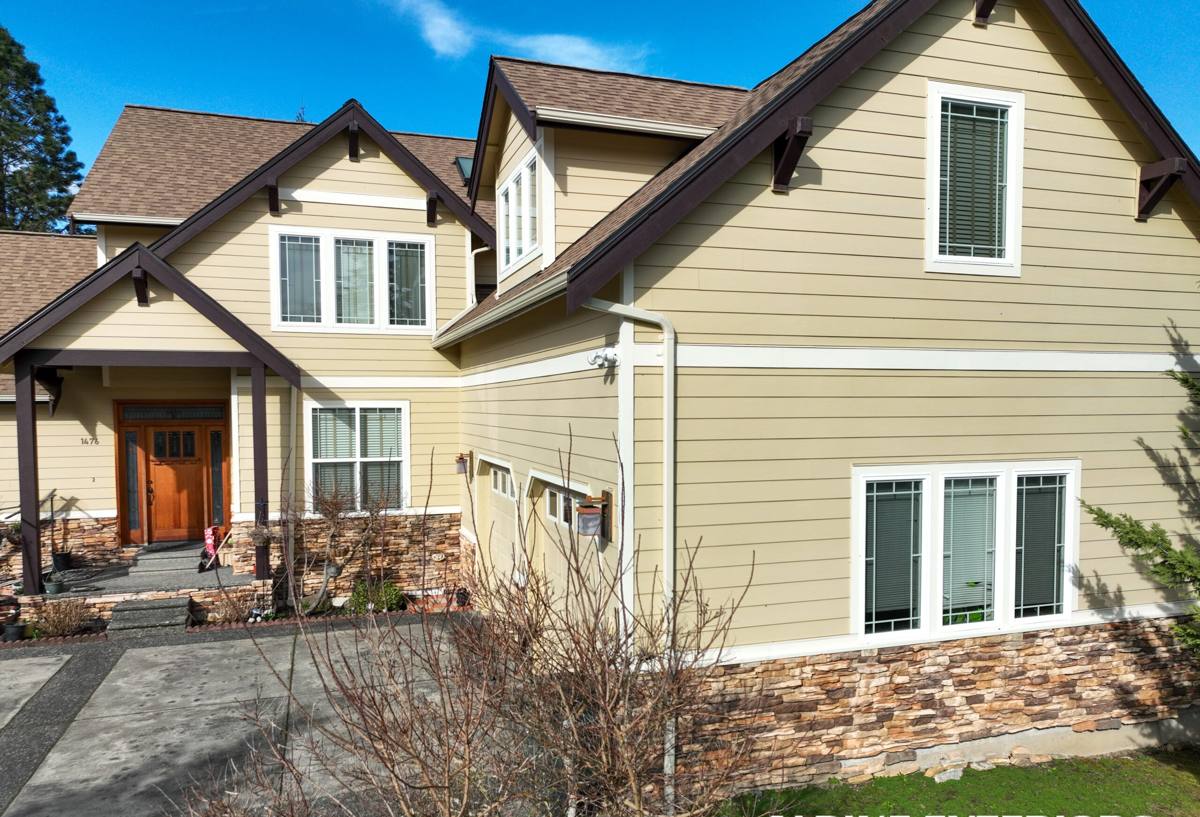
Marietta sits close enough to the water and to the industrial waterfront north of Ferndale that its roofs take a different kind of beating than homes further inland in Whatcom County. Salt-laden air, near-constant winter rain, and a moss season that can run six months or longer all work against a roof at the same time. Asphalt shingle roofing remains the most practical, cost-effective option for most homes here, but only when it's specified and installed with this specific environment in mind. A shingle roof built the same way you'd build one in a dry inland climate will not perform the same way in Marietta.
This page covers what we actually look at, install, and warn homeowners about when we do asphalt shingle roofing work in this part of Ferndale.
Why Marietta's Climate Is Hard on Shingle Roofs
Salt Air and Metal Components
Homes closer to Bellingham Bay and the surrounding tidal areas deal with airborne salt that accelerates corrosion on anything metal. That includes drip edge, flashing, nail heads, and roof vents. Standard galvanized fasteners and low-grade flashing corrode faster near the water than they do a few miles inland. We adjust the metal components we use on Marietta roofs accordingly — it's a small material cost difference that prevents an expensive flashing failure a decade in.
Driving Rain and Wind-Driven Water
Whatcom County storms often bring rain sideways off Puget Sound, not straight down. Wind-driven rain finds weaknesses that a straight-down rain never would — under shingle tabs, around vent boots, along ridge lines, and at any place where flashing overlaps depend on gravity alone. A roof that "looks fine" in dry weather can still leak during a driving rain event if the underlayment and flashing details weren't built for lateral water movement.
Moss and Prolonged Moisture
Ferndale's tree cover and mild, wet winters create long moss seasons. Moss isn't just cosmetic — it holds moisture against the shingle surface for extended periods, which accelerates granule loss, promotes rot in the underlying deck if left unchecked, and can lift shingle edges enough to let wind-driven rain underneath. North-facing slopes and roof sections shaded by mature trees are the most affected, and Marietta has plenty of both.
What a Correctly Built Shingle Roof Needs Here
- A high-quality synthetic or self-adhered underlayment at eaves, valleys, and any low-slope transitions, not just felt paper alone
- Ice-and-water shield style membrane at eaves and valleys, sized for the amount of moss and debris buildup typical on shaded slopes
- Corrosion-resistant flashing and fasteners, especially on homes within a few miles of the bay
- Proper starter strip and hand-sealed tabs at rakes and eaves where wind uplift is worst
- Balanced intake and exhaust ventilation so the attic doesn't trap moisture that later shows up as sheathing rot
- Shingle selection with an algae-resistant (AR) rating to slow the streaking and growth that a damp climate encourages
None of this is exotic. It's standard manufacturer best practice applied without shortcuts, adjusted for the fact that this roof will sit in a wetter, saltier, mossier environment than a national average install guide assumes.
Our Process on a Marietta Re-Roof
1. Roof and Deck Inspection
Before we talk shingle brands or colors, we look at the deck. Years of trapped moisture under moss-covered shingles can soften sheathing, and no shingle — however good — performs correctly over a soft or uneven deck. We identify any sections that need repair or replacement before installation, not as an upsell discovered mid-job.
2. Tear-Off and Deck Prep
We remove existing roofing down to the deck rather than layering over old shingles. Layering hides problems and shortens the life of the new roof, especially in a climate where trapped moisture is already a risk.
3. Underlayment and Flashing
This is where a lot of the climate-specific work happens — eave and valley protection, corrosion-resistant flashing, and careful detailing around every penetration (vents, chimneys, skylights). Most roof leaks trace back to flashing details, not the shingles themselves.
4. Shingle Installation
Correct nailing pattern and placement, hand-sealed starter courses, and attention to exposure and alignment. Wind performance depends as much on installation technique as on the shingle's rated wind resistance.
5. Ventilation Check
We confirm intake and exhaust venting are balanced. Under-ventilated attics in this climate trap moisture that condenses on the underside of the deck, which shortens the life of the roof from the inside out — a problem the homeowner never sees until it's advanced.
6. Final Walkthrough
We walk the roof and the site with the homeowner, cover care and moss-prevention basics, and explain what the warranty covers.
Choosing Materials: What Actually Matters Here
| Factor | Why It Matters in Marietta |
|---|---|
| Algae-resistant (AR) shingle rating | Slows the dark streaking and biological growth common in wet, shaded climates |
| Shingle weight/class | Heavier architectural shingles generally hold up better to wind-driven rain and handle moss growth with less granule loss over time |
| Wind rating | Coastal exposure and open lots see higher gusts than sheltered inland lots |
| Underlayment type | Synthetic or self-adhered membranes resist the prolonged dampness better than old-style felt |
| Flashing metal | Corrosion resistance matters more near the bay than it does further inland |
| Color | Lighter colors show moss growth sooner; darker colors hide it longer but don't prevent it |
We don't push a specific shingle brand as the only acceptable option. Most major manufacturers make an asphalt shingle capable of holding up in this climate — the difference between a roof that lasts and one that fails early almost always comes down to installation detail, ventilation, and flashing, not the shingle label itself.
Why We Don't Recommend Cutting Corners on Underlayment
Some lower-cost re-roof bids save money by using minimal felt underlayment and skipping ice-and-water membrane outside of code-minimum requirements. In a dry climate that might not matter much. In Marietta's rain and moss conditions, that's exactly where we see early leaks show up — usually in valleys and at eaves, a few years after installation, once the shingles alone are no longer enough to shed water reliably. We build to the climate, not to the minimum code requirement.
Signs Your Marietta Roof Needs Attention
- Visible moss growth on north-facing or shaded slopes
- Granules collecting in gutters or downspouts
- Curling, cupping, or lifted shingle tabs
- Dark streaking across large sections of the roof
- Soft spots or sagging when walked (deck-level concern, not just surface)
- Daylight visible through the attic or water stains on interior ceilings
- Rusted or lifted flashing around vents, chimneys, or skylights
Any one of these on its own isn't necessarily an emergency, but they're worth a professional look before the next wet season rather than after a leak shows up inside the house.
Repair, Recover, or Full Replacement
Not every roof problem in Marietta requires a full tear-off. Isolated flashing failures, a section of wind-damaged shingles, or moss-related granule loss on one slope can sometimes be repaired directly. We look at the age of the existing roof, the condition of the deck underneath, and how widespread the issue is before recommending a full replacement. Our goal is an honest assessment, not the largest possible job.
Maintenance That Actually Extends Roof Life Here
- Keep gutters and valleys clear of needles and debris, especially under overhanging trees
- Have moss treated before it spreads across a full slope, using methods that don't strip granules or damage shingles
- Trim back branches that keep a roof section shaded and damp longer than the rest of the roof
- Schedule a roof check after major windstorms, not just on a fixed annual schedule
- Address small flashing or fastener issues promptly — in this climate, small gaps become bigger leaks faster than in drier regions
Why Hire a Crew That Already Works in Marietta
A roofing crew that mostly works inland or in drier regions can still install a shingle roof competently on paper, but they may not default to the eave protection, flashing metal, and ventilation balance that this specific stretch of Whatcom County actually needs. We work in Ferndale and the surrounding communities regularly, which means we already know which slopes hold moss longest, which exposures take the worst of the wind-driven rain, and which flashing details tend to fail first in this environment. That local pattern recognition shows up in fewer callbacks and roofs that hold up through more than one wet season without surprises.
If you're dealing with an aging shingle roof in Marietta, or planning ahead before the next wet season arrives, we're happy to take a look and give you a straight answer on condition, options, and cost — no pressure, no upsell pitch. Use the form below to request a free estimate.