 Ferndale Siding
 Board & Batten in a Place Built to Test Siding
Point Roberts sits on its own peninsula in Whatcom County, separated from the rest of Washington by the Canadian border and exposed on multiple sides to open water. That setting is part of why board and batten siding shows up so often on homes out there — the strong vertical lines suit a waterfront look, and it's become a common choice for newer builds and remodels along the coast. But Point Roberts is also a place where siding earns its keep. Salt-carrying wind, rain that comes in sideways instead of straight down, and long shaded stretches that never fully dry out are normal conditions there, not occasional ones. A board and batten job that isn't detailed for that environment will show problems years before it should.
Ferndale Siding Contractors installs board and batten siding for Point Roberts homeowners using James Hardie fiber cement exclusively. This page covers what that combination — this siding style, in this specific location, in this material — actually requires to hold up long term.
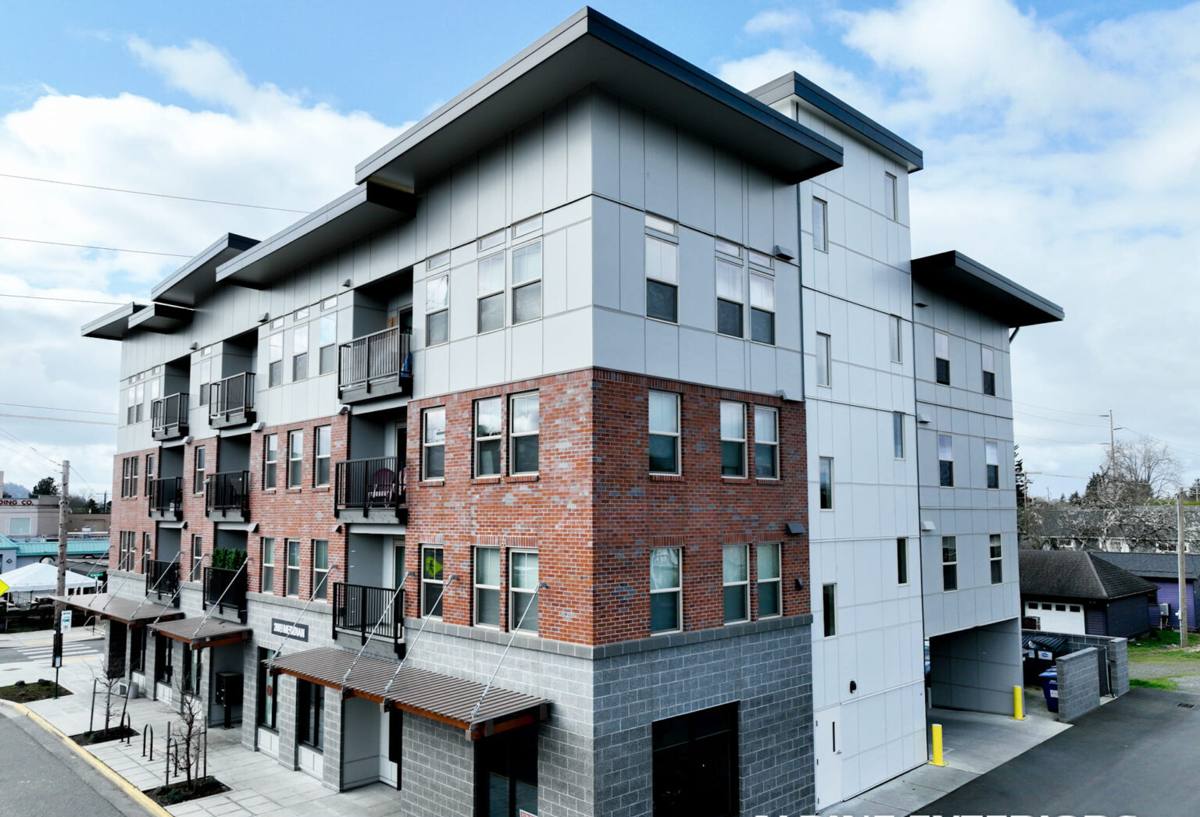
What the Local Climate Does to a Board & Batten Wall
Salt Air
Homes closer to the water take a steady, low-grade dose of salt-laden air. Over time that air degrades exposed metal fasteners, corrodes cheap trim hardware, and speeds up the breakdown of paint films that aren't built for it. Board and batten has more exposed vertical seams and more fastener points than plain lap siding, which means more places for salt exposure to find a weakness if the wrong materials or fasteners were used.
Driving Rain
Wind off the water pushes rain sideways into wall assemblies instead of letting it run straight down and off. Vertical siding styles like board and batten are more prone to this kind of wind-driven intrusion at the seams between boards and battens if those joints aren't flashed and back-vented correctly. This is the single biggest reason board and batten fails when it's installed like a decorative skin instead of a real weather-resistant assembly.
A Long Moss Season
Shaded, damp conditions that stick around for months at a time are ideal for moss and algae growth. On siding, that shows up as dark streaking and a slow buildup of organic growth that holds moisture against the wall longer than it should sit there. Factory-applied finishes that resist this kind of growth matter more here than in drier parts of the state.
Why Board & Batten Is More Detail-Sensitive Than Lap Siding
Horizontal lap siding is a forgiving system — each course overlaps the one below it, so water is designed to shed downward and off the wall almost automatically. Board and batten works differently: vertical boards butt against each other or against a batten strip, and water has to be actively managed at every one of those seams rather than simply running off a lapped edge. That means the quality of the installation — not just the quality of the material — determines whether the wall stays dry. A board and batten wall built without a drainage gap, proper flashing, and correctly sealed joints can look identical to a well-built one for the first year or two. The difference shows up later, in trapped moisture, staining, and premature wear at the seams.
What a Correctly Built Board & Batten Wall Includes
- A weather-resistive barrier installed and lapped correctly behind the entire wall assembly
- A rainscreen or furring gap behind the siding so any water that gets past the surface can drain and the wall can dry out
- Flashing at every horizontal transition — window heads, door heads, roof-to-wall intersections, and trim bands
- Corrosion-resistant fasteners sized and placed according to the manufacturer's installation instructions
- Batten spacing and fastening that accounts for the material's expansion and contraction rather than pinning it rigidly
- Sealed, backed joints at butt seams rather than exposed cut edges left to absorb water
- Factory-finished boards and battens installed so field-cut edges are the only places needing touch-up sealing
James Hardie's Board & Batten Options
We install James Hardie's engineered board and batten systems, which are built specifically to be installed as a vertical assembly rather than adapted from a lap product. Depending on the look a homeowner wants, that can mean a single-panel vertical product with an integrated batten pattern, or individual HardieTrim battens installed over HardiePanel vertical siding for a more traditional board-and-batten profile. Both are fiber cement, both come with a factory-applied ColorPlus finish, and both are engineered for the Pacific Northwest's wetter, cooler HardieZone climate designation rather than a generic national spec.
ColorPlus finish matters more here than it does in a drier climate. It's baked on at the factory under controlled conditions, which gives it better adhesion and better resistance to moss, mildew, and salt-air fading than a field-applied paint job can consistently match — and it means the only paint work needed after installation is at factory-cut edges exposed on site.
| Board & Batten Approach | How It's Built | Best Fit |
|---|---|---|
| Engineered vertical panel with integrated batten look | Single panel product, fewer field seams | Larger wall sections, faster install, clean modern look |
| HardiePanel + individual HardieTrim battens | Panel installed first, battens fastened over the seams | Traditional board-and-batten appearance, custom batten spacing |
| Mixed with lap siding | Board and batten used as an accent on gables, dormers, or entries | Homes wanting visual contrast without full vertical coverage |
Cost Factors for a Point Roberts Board & Batten Project
Every quote should be based on an actual inspection of the home, but the factors that drive cost on a board and batten job in this area are fairly consistent:
| Factor | Why It Affects Cost |
|---|---|
| Tear-off of existing siding | Removing old material and checking for hidden moisture damage before new siding goes on |
| Wall prep and rainscreen installation | Furring strips and drainage detailing take more labor than a flat nail-up job |
| Panel vs. panel-plus-batten system | Individual battens mean more fastening and sealing work than a single integrated panel |
| Trim and flashing complexity | Homes with more windows, dormers, or roof transitions need more flashing detail |
| Site access on the peninsula | Material delivery and crew logistics for a job reached only through the border crossing |
How We Approach a Board & Batten Job in Point Roberts
- On-site inspection of the existing wall assembly, siding condition, and any moisture or moss damage already present
- A written scope covering panel or panel-plus-batten system, trim details, color, and a realistic timeline
- Careful removal of old siding with the wall sheathing checked before anything new goes up
- Correct weather barrier, rainscreen gap, and flashing installation at every transition point
- Installation of James Hardie panels and battens to manufacturer spec, with corrosion-resistant fasteners
- Final sealing of field-cut edges and a walk-through before we consider the job finished
Why Hiring a Crew That Already Works in Point Roberts Matters
Point Roberts isn't a place a crew can just swing by on the way to another job. It's reached through a Canadian border crossing, which means scheduling, material deliveries, and any return trip for punch-list items all take more planning than a job across town in Ferndale. Contractors who don't already work the area regularly tend to price that friction into rushed installs, skipped return visits, or reluctance to take the job at all. A crew that already builds a regular schedule around Point Roberts treats those trips as routine rather than a hassle to be minimized — which matters on a siding style like board and batten where a callback for a missed seal or a loose batten shouldn't be a logistical ordeal for either side.
Familiarity with the specific way wind and rain hit homes on this stretch of coastline also shapes real decisions on site — which walls need the most attention at flashing details, where moss tends to establish first, and how much drainage capacity a given wall assembly actually needs.
Living With Board & Batten After It's Installed
James Hardie fiber cement with a ColorPlus finish is low-maintenance, not zero-maintenance. A few habits keep it performing the way it's designed to in this climate:
- Rinse the siding occasionally, especially on shaded walls, to keep moss and algae from establishing
- Keep gutters and downspouts clear so roof runoff isn't dumping extra water onto siding below
- Trim back vegetation and tree cover that keeps walls shaded and slow to dry
- Have caulking at trim and seams checked periodically rather than waiting for visible cracking
- Address any small paint chips at cut edges promptly rather than letting bare fiber cement sit exposed
None of that requires a professional visit on any set schedule — it's ordinary homeowner upkeep, and it goes a lot further on a wall that was flashed and drained correctly to begin with.
If you're weighing board and batten for a home in Point Roberts, we're glad to come take a look and walk through what your specific walls need — no pressure, no obligation. Fill out the form below for a free estimate.